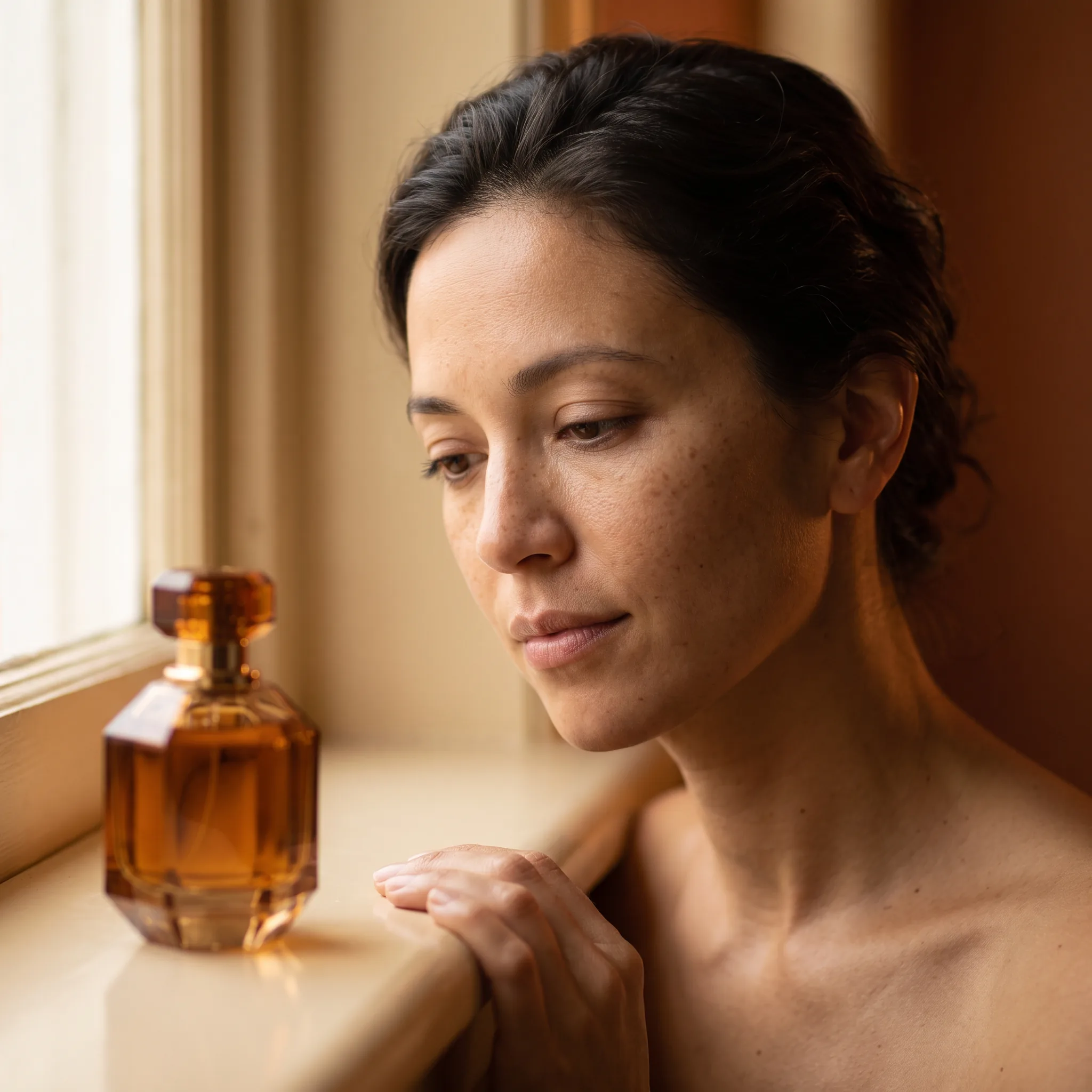
- Arabic perfume starts with oud: Oud is a resin, not a wood note. Agarwood forms only after an Aquilaria tree is wounded or infected. The tree needs 25 to 30 years to make it, and the yield is about 1 to 2 percent.
- Oil and spray are different products: Oud oil, or dehn al oud, is concentrated and alcohol-free. An oud spray is diluted in alcohol and often built from an oud accord, not real agarwood oil.
- White oud is a market name: It describes a light, clean reading of oud. It is not a botanical grade, and it smells little like resinous agarwood.
- Store cool, apply light: Heat, light and oxygen break fragrance down. Start with one or two sprays on moisturized skin, and patch test first.
Arabic perfume is a family of scents, not a single note. Oud, amber and musk sit at its center. This guide explains what each material is, how oud oil differs from oud spray, and what white oud really means. It then shows you how to wear, store and layer these fragrances in a cooler climate.
What Arabic Perfume Means Today
Arabic perfume describes the fragrance traditions of the Arabian Peninsula and the wider Middle East. It is not one note or one house. It is a way of building scent around resins, woods and oils. The tradition covers concentrated attar oils and the alcohol-based sprays sold in most Western stores.
Two formats dominate. The first is the attar, also written ittar. An attar is a concentrated oil blend with little or no alcohol. The second is the alcohol-based spray that most Western shoppers know from a department store shelf. Attars usually come in small bottles with a glass dipstick or a roller. You apply a small amount, because the oil is strong.
Oud, amber and musk sit at the center of this tradition. Rose, saffron, jasmine and bakhoor incense appear often too. Bakhoor is wood or another material soaked in fragrant oils, then burned to scent a room or clothing.
A blend of oud with other materials is called a mukhallat. Rose, saffron and amber soften the oud and round out the scent. This is a common way to wear oud in the Gulf. It is also one of the easiest entry points for a new wearer.
The tradition is global now. Gulf houses sell worldwide. Western brands build oud accords into their own releases. The raw materials are shared, even when the styles differ. An arabian oud from a Gulf house often reads heavier and more resinous than a Western accord. For the wider market, see our guide to the best luxury perfumes.
Oud: The Resin Behind the Scent
Oud is agarwood, the dark, resin-rich heartwood that forms in certain trees. The smell does not come from the wood itself. It comes from resin the tree makes under stress. Most supplies come from Aquilaria species, which grow across China, India and Southeast Asia.

Where agarwood comes from
Agarwood comes mainly from Aquilaria trees, and also from the related genus Gyrinops (Baig et al., 2025). About 17 Aquilaria species grow across China, India and Southeast Asia (Wang et al., 2021). The tree makes resin in response to wounding or fungal infection. Resin then collects near the wound over many years.
Why oud costs so much
Natural resin formation is slow and rare. The process takes 25 to 30 years, and a tree yields only about 1 to 2 percent resin by weight (Baig et al., 2025). Healthy trees produce little. Wild agarwood has become scarce through overharvesting, so all Aquilaria species sit in CITES Appendix II and trade is controlled (CITES). Top-grade material can sell for about 30,000 US dollars per kilogram, and some grades cost more than gold (Baig et al., 2025). Plantations now use fungal inoculation to cut the waiting time to a few years. One infection study induced agarospirol, an oud compound, within 3 months (Baig et al., 2025).
How oud is graded
Agarwood gets its smell from two chemical groups. Sesquiterpenes carry the woody, spicy depth. Chromones add sweet, fruity and balsamic tones (Gao et al., 2019). Higher-quality wood holds more of one chromone group, the 2-(2-phenylethyl) chromones. The Chinese Pharmacopoeia sets a floor of 10 percent ethanol extract and 0.1 percent agarotetrol for medicinal agarwood (Wang et al., 2021). A review of four Aquilaria species catalogued 367 compounds, with sesquiterpenes at 55.86 percent and chromones at 44.14 percent (Gao et al., 2019). One analysis measured 60 percent 2-(2-phenylethyl) chromones in high-quality agarwood (Wang et al., 2021). The highest grade, Qi-Nan, comes from Aquilaria sinensis (Gao et al., 2019). Adulteration is common, so origin and species labels matter.
Oud Oil vs Oud Spray: Two Formats, Two Experiences
Two products share the word oud, and they behave very differently. One is a concentrated oil. The other is an alcohol spray. The format changes the opening, the strength and the wear. An alcohol-free oil is dabbed on with a dipstick, while a spray is diluted in alcohol and opens fast.
Oud perfume oil and dehn al oud
Dehn al oud means fat of the wood in Arabic. It is the traditional oud oil, and it is the base of many oud oil perfumes. The oil is thick, dark and alcohol-free. You apply one drop with a dipstick, not a spray. Alcohol-free oud perfume oil sits close to the skin and rises slowly. It can last many hours, because the resin molecules bind to skin and fabric and release scent with body heat (Rodrigues et al., 2021).
Oud cologne and oud spray
An oud spray or oud cologne is an alcohol-based scent. Alcohol carries the material into the air and gives a sharp, fast opening. Most sprays do not use real agarwood oil. Real oil is too costly, so perfumers build an oud accord from other woods, leather, smoke and patchouli. That is not a fault. A well-built oud fragrance can be rich and convincing. It just smells different from the raw oil. Independent perfume houses that specialize in oud often build the accord from scratch.
Oil and spray also age on different clocks. Alcohol evaporates within minutes. The oil base stays behind. This is why a spray changes character during the first hour, while an oil unfolds at a steadier pace.
What White Oud Really Means
White oud is a market name, not a botanical grade. No Aquilaria tree produces white resin. The term describes a light, clean, fresh reading of oud. Perfumers often pair it with citrus, white flowers and soft woods. The lightest versions keep a woody frame but drop the heavy, animalic side of real agarwood.
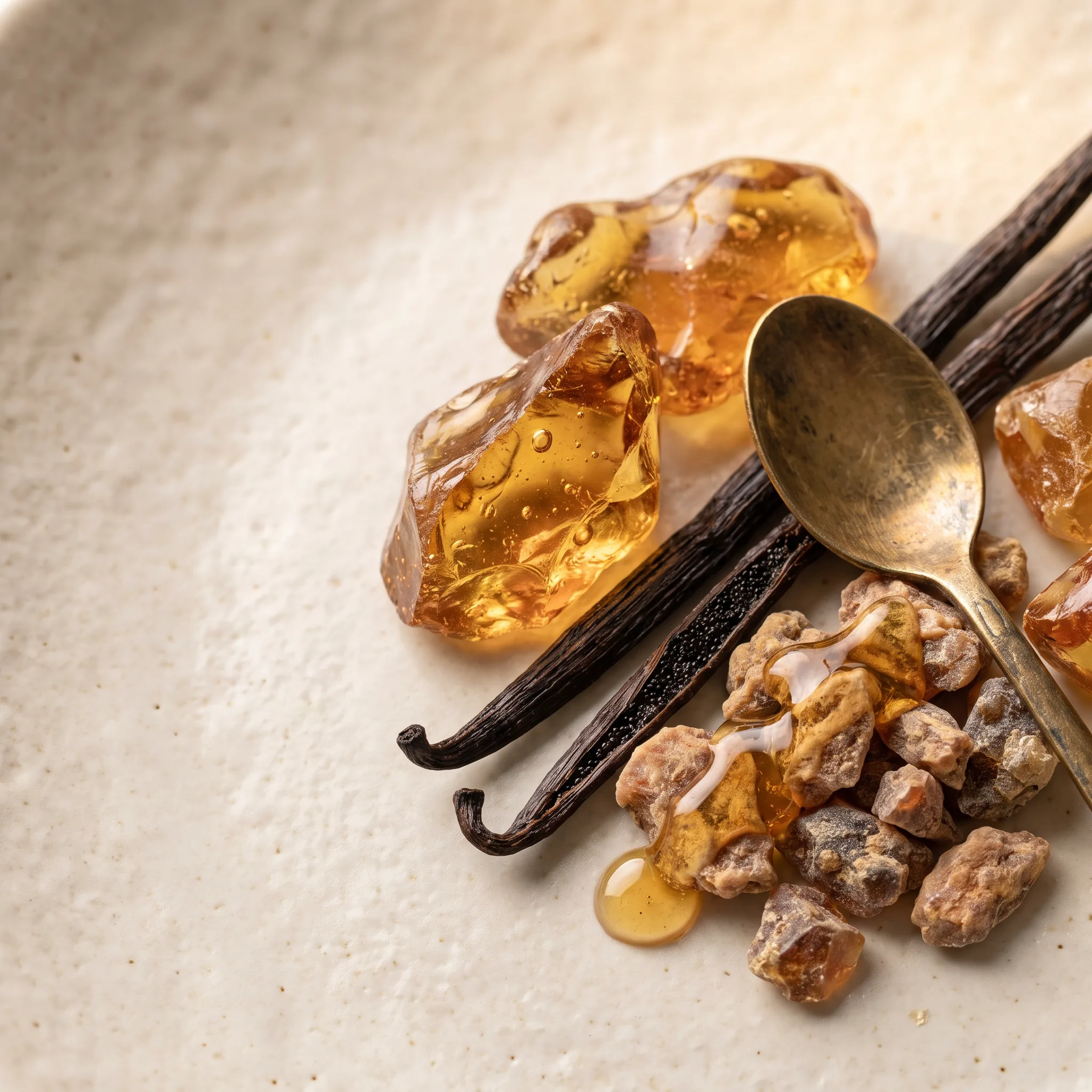
White oud perfumes explained
White oud perfumes borrow the shape of oud, not its weight. They keep the woody, slightly smoky frame and remove the animalic, leathery depth. The result reads clean and modern. Many white oud perfumes are alcohol sprays built from synthetic oud materials and clean woods. Some include a small amount of real oil for warmth. Sellers use both word orders, white oud perfume and oud white perfume, for the same idea.
The name helps shoppers. A person who finds classic oud heavy can choose a white oud perfume and still wear the oud idea. The scent is easier for an office, a warm day or a first step into the family.
White oud perfume vs real agarwood
Do not expect a white oud perfume to smell like agarwood oil. Real oud is deep, smoky and often animalic. A white oud accord is bright, dry and airy. The two share a woody frame and little else. If you want the true resin, look for a bottle that states agarwood oil on the label, and expect a higher price.
Amber and Musk: The Warm Base Accords
Amber and musk are the two warm materials that hold an Arabic scent together. Neither is a single ingredient in modern perfumery. Both are accords, which are blends built to smell like one idea. Amber is a blend, not a single resin, built from materials such as labdanum and vanilla. Today’s musk comes from the lab, not from animals.
What amber means in perfume
Amber in perfume is not the fossil resin used in jewelry, and it is not ambergris from whales. It is a composed accord. Perfumers blend labdanum, vanilla, benzoin and tonka bean to make it (Sell, 2019). The result is warm, sweet and slightly powdery. An amber oud scent pairs that warmth with the dry, smoky edge of oud. This is why amber oud fragrances feel round rather than sharp.
What musk does
Musk adds softness and a skin-like warmth. Natural musk comes from a gland, and it is not used in modern commercial perfume. Perfumers now work with synthetic musks. The main families are macrocyclic musks and polycyclic musks such as galaxolide and tonalide (Gadgil et al., 2025). Musk does not shout. It holds other notes in place and makes a scent feel close to the body.
In a middle eastern perfume, amber and musk usually sit in the base. They appear after the top notes fade and stay for hours. They also make a strong bridge for layering. Our musk perfume guide explains how these base notes behave on skin.
How to Wear Arabic Perfume in a Western Climate
Oud scents were built for heat. Warm air lifts heavy molecules and pushes them outward. In a cool, dry climate the same scent stays closer to the skin. It often reads softer and slower. Cold skin holds a heavy oud back, so use less and choose the season.
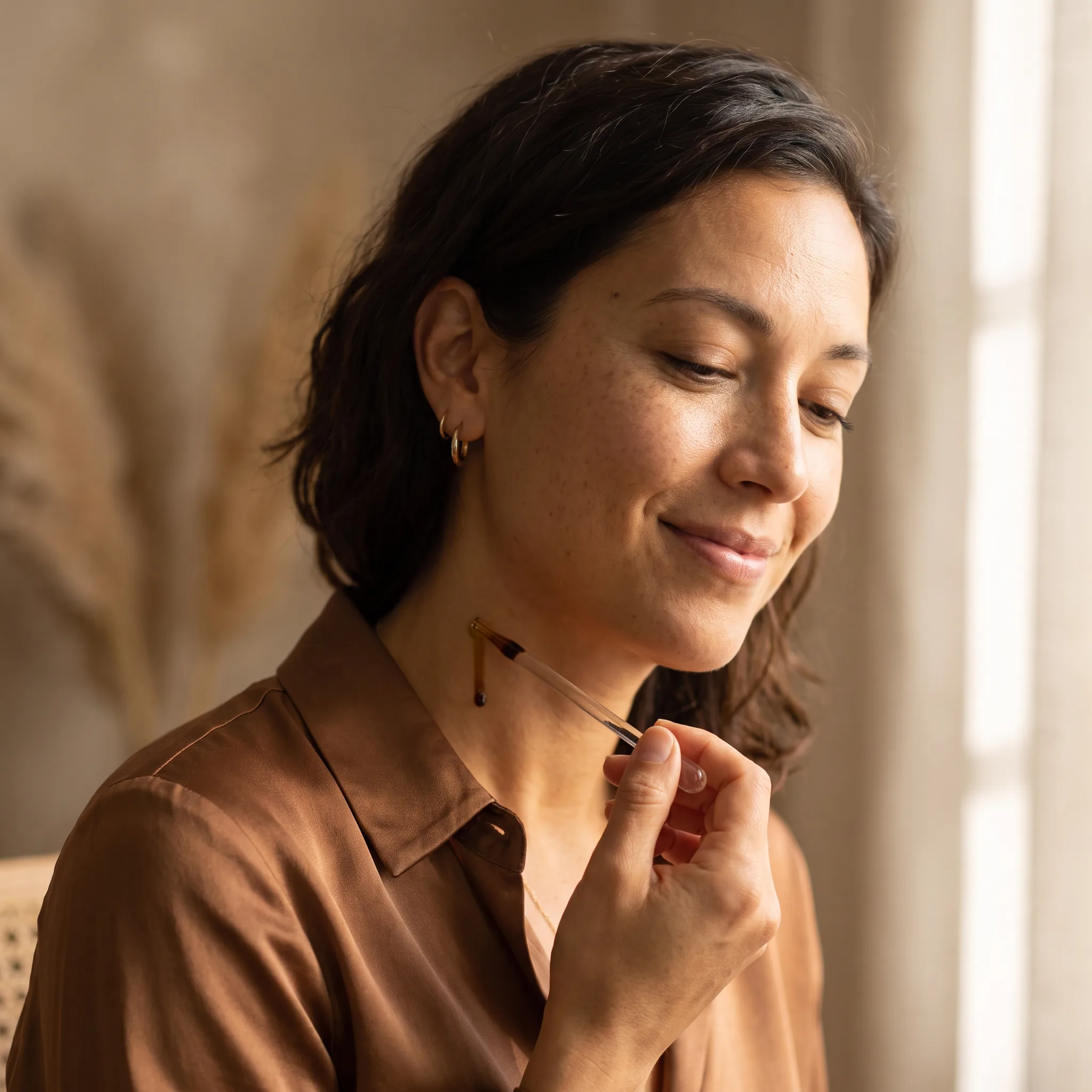
Two adjustments help. First, use less. One or two sprays, or one drop of oil, is enough in cool air. A scent that feels right outdoors can become heavy in a heated room. Second, choose the season. Amber and musk suit autumn and winter. A white oud or a citrus-oud blend works better in spring and summer.
Heat also changes the scent on skin. The rate of release depends on the material, the solvent and the skin itself (Rodrigues et al., 2021). Warm skin, after a shower or exercise, pushes it forward. Test a new oud on a normal day, not after a hot bath.
For an office, apply to the chest rather than the neck. The scent then rises into your own space instead of across a desk. For evening wear, a stronger amber oud is fine. Air movement matters too. A windy street carries more scent than a still room. Because oud is costly, a perfume sampler set is a low-risk way to test one on your own skin first.
How to Layer and Store Oud Fragrances
Layering means wearing two scents together. Oud takes layering well, because it is a base material. The trick is to keep one scent quiet and let the other lead. The heavier scent goes on first, and a lighter one sits on top to lift it.
Start with the heavier scent. Apply an arabian perfume oil or an amber base first. Add a lighter spray on top, such as a rose, citrus or white oud. The oil holds the blend in place. A carrier such as dipropylene glycol also slows release and stretches the scent (Rodrigues et al., 2021). Do not layer two strong ouds. The notes compete and the blend turns muddy.
Storage decides how long a bottle lasts. Heat, light and oxygen break fragrance molecules down (Marteau et al., 2013). Keep bottles in a cool, dark cupboard, away from a window and away from a radiator. The bathroom shelf is a poor home, because steam and temperature swings speed up change. A sealed bottle with little air inside ages more slowly.
The Beautyisles Edit: Arabic Scents by Character
Oud scents fall into a few clear characters. A smoky oud is dry and deep. A sweet amber oud is warm and rounded. A white oud is clean and light. An oil is concentrated and close to the skin. The four picks below cover each character, and each card links to Amazon for a live price.
Initio Oud for Greatness Eau de Parfum

A niche house that treats oud as a full composition, not a garnish. This one opens dry and smoky, then settles into warm spice and woods. It suits cool weather and evenings.
— Avery, Beautyisles AI Editorial Host
- Deep, dry oud character
- Strong presence on cool skin
- Unisex by design
- Heavy for hot weather
- A serious oud, not a light one
Lattafa Khamrah Eau de Parfum
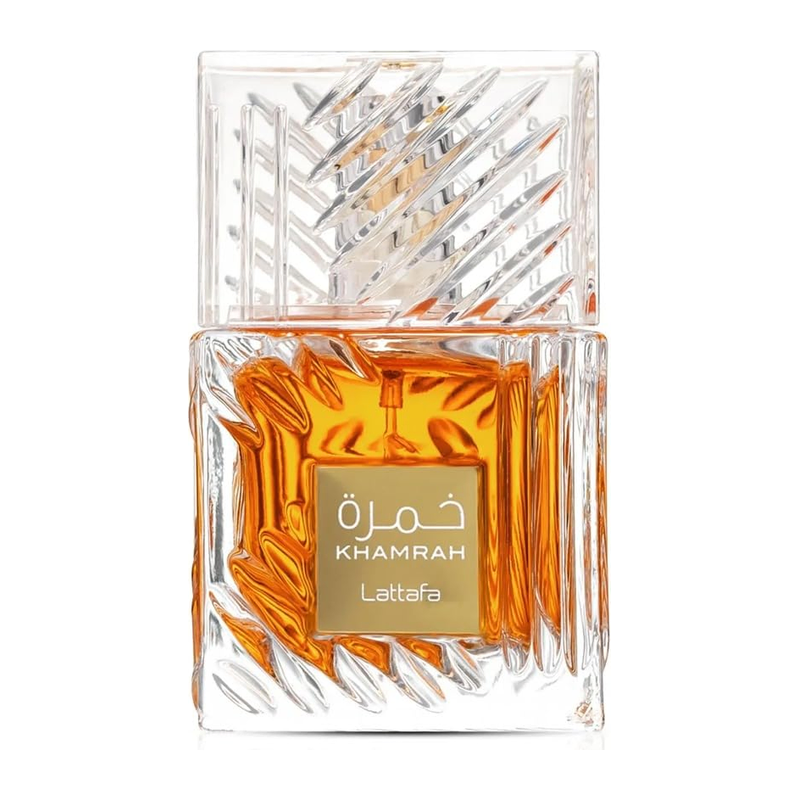
An Arabic house with a sweet, spiced signature. Dates, cinnamon and vanilla sit over a warm amber base. It is the easiest pick here for a new oud wearer, and it wears well in winter.
— Avery, Beautyisles AI Editorial Host
- Warm and rounded amber base
- Friendly to newcomers
- Wears well in cold weather
- Sweet notes divide a room
- Light on real oud
Al Haramain Amber Oud White Edition Eau de Parfum

A clean, floral reading of oud from a Gulf house. The amber base stays warm, while the top reads light and bright. It is a good first oud for someone who finds classic oud too heavy.
— Avery, Beautyisles AI Editorial Host
- Fresh, wearable oud profile
- Easy for office and daytime
- Warm amber base
- Not a true agarwood scent
- Softer projection
Rasasi Dhan Al Oudh Al Zahab Concentrated Perfume Oil

A Gulf attar in the classic oil format. It opens with bergamot and saffron, then settles into rose and woods. One drop goes a long way, so a small bottle lasts.
— Avery, Beautyisles AI Editorial Host
- True alcohol-free oil format
- A little goes a long way
- Traditional attar structure
- Small bottle needs careful storage
- Oil takes practice to dose
Use the table to compare the four picks by character and format. Prices change often, so each row links to the current listing.
| Pick | Character | Format | Best for | Pricing |
|---|---|---|---|---|
| Initio Oud for Greatness | Smoky oud | Eau de parfum spray | Evenings and cool weather | Check Price → |
| Lattafa Khamrah | Sweet amber | Eau de parfum spray | Winter and newcomers to oud | Check Price → |
| Al Haramain Amber Oud White Edition | Clean white oud | Eau de parfum spray | Daytime and warm weather | Check Price → |
| Rasasi Dhan Al Oudh Al Zahab | Traditional oud oil | Concentrated perfume oil | Layering and evening wear | Check Price → |
Frequently Asked Questions
What is oud?
Oud is agarwood, the resin-rich heartwood of Aquilaria and Gyrinops trees. The tree makes the resin as a defense after wounding or fungal infection. Sesquiterpenes give it woody depth, and chromones add sweet, fruity and balsamic tones (Baig et al., 2025, and Gao et al., 2019).
What does amber smell like?
Amber smells warm, sweet and resinous, with a soft, powdery finish. In perfume it is a composed accord, not a single material. Perfumers build it from labdanum, vanilla, benzoin and tonka bean (Sell, 2019).
What does oud smell like?
Oud smells woody, smoky and deep. Depending on the oil, it can also read sweet, leathery or animalic. Chromones add fruity and balsamic notes, and the mix differs by species and origin (Gao et al., 2019, and Baig et al., 2025). No two oils smell the same.
Does perfume expire?
Perfume has no fixed expiry date in most markets, but it does change. Heat, light and oxygen break the molecules down (Marteau et al., 2013). A darker color, a sour smell or faded top notes show that a bottle has turned. Cool, dark storage slows the process.
What are perfumes?
Perfumes are blends of fragrant materials in a solvent. The solvent is usually ethanol, and sometimes water or an oil base. Strength depends on concentration. Parfum holds the most, then eau de parfum, eau de toilette and eau de cologne (Sell, 2019). A perfume also has top, middle and base notes.
How to apply perfumes?
Apply to clean, moisturized skin. Hold the bottle 10 to 15 cm away and spray once or twice on the chest or neck. Warm areas release scent faster. For an oil, use one small dab. Patch test on a small area first if your skin is sensitive, because fragrance materials can cause contact allergy (JAAD, 2022).
Editorial Sources & Methodological References
- Baig A, Akram A, Lin M-K. Agarwood in the Modern Era: Integrating Biotechnology and Pharmacology for Sustainable Use. International Journal of Molecular Sciences, 2025, 26(17), 8468. PMID 40943390.
- Wang Y, Hussain M, Jiang Z, Wang Z, Gao J, Ye F, Mao R, Li H. Aquilaria Species (Thymelaeaceae) Distribution, Volatile and Non-Volatile Phytochemicals, Pharmacological Uses, Agarwood Grading System, and Induction Methods. Molecules, 2021, 26(24), 7708.
- Gao M, Han X, Sun Y, Chen H, Yang Y, Liu Y, Meng H, Gao Z, Xu Y, Zhang Z, Han J. Overview of sesquiterpenes and chromones of agarwood originating from four main species of the genus Aquilaria. RSC Advances, 2019, 9(8), 4113-4130.
- Rodrigues AE, Nogueira I, Faria RPV. Perfume and Flavor Engineering: A Chemical Engineering Perspective. Molecules, 2021, 26(11), 3095.
- Sell CS. Fundamentals of Fragrance Chemistry. Wiley-VCH Verlag GmbH & Co. KGaA, Weinheim, 2019. ISBN 978-3-527-34577-9.
- Marteau C, Ruyffelaere F, Aubry J-M, Penverne C, Favier D, Nardello-Rataj V. Oxidative degradation of fragrant aldehydes. Autoxidation by molecular oxygen. Tetrahedron, 2013, 69(10), 2268-2275.
- Gadgil VR, Chopada A, Chavarkar GR, Kulkarni RA, Joshi SV. Macrocyclic musks: Trends in development and synthetic strategies. Tetrahedron.
- The immediate patch test reaction to fragrance in patients with allergic contact dermatitis to fragrance: A prospective study. Journal of the American Academy of Dermatology, 2022, 87(5), 1042-1048.