- House test: A real house names its perfumer and owns the formula. A designer licence often does neither.
- Concentration drives cost: A higher oil load and rarer raw materials raise the price before the bottle does.
- Sample first: Buy a discovery set or a decant before you commit to a full bottle.
- Read the label: In the United States a whole formula can hide behind the single word Fragrance.
A niche fragrance house does not answer to a fashion label. It answers to a perfumer. That single fact changes who chooses the materials and how large the batch runs. It also explains why two perfumes with one note list can smell nothing alike.
Designer scent and niche perfume share a vocabulary of bergamot, rose, and vanilla. They do not share a business model. This guide explains what separates an independent perfume house from a designer licence. It shows how to spot a white-label brand in disguise and how to sample before you spend. It closes with a shortlist of niche fragrance brands, sorted by house character.
What Makes a Niche Fragrance House Different From a Designer Licence?
Niche fragrance means scent made by a house that sells perfume as its main business. The house may be small, but size is not the test. The test is control. An independent perfume house sets the brief, hires the perfumer, and keeps the formula. A designer licence works the other way. A fashion brand lends its name, and a large beauty group builds the scent.
That split shapes the smell. A licensed scent must please a wide market and survive on a shelf for years. An independent house can chase a narrow idea, such as a single molecule or a forgotten flower. The result is often stranger, and it is often more costly. Houses that work in oud follow the same logic, and our guide to arabic perfume shows how a range can build around one material.
The term perfume houses also covers makers that began as soap works, pharmacies, or leather workshops. What these houses share is authorship. The house signs its own work and stands behind it.
Licensing is not a flaw. It lets a fashion house sell scent without building a laboratory. The trade-off is that the scent must serve the label first. It must match the brand image and sell in large numbers. In 2017 the ten biggest companies held more than 78 percent of the fragrance market (Rodrigues et al., 2021). The United States took about 33 percent of that market. A niche house carries no such brief. It can release a scent for a small group and accept that other people will dislike it. A shopper who starts in the designer tier can compare the two in our guide to the best luxury perfumes.
The Five Tests of a Real Independent House
You can judge a niche perfume brand in five steps. Each step asks one question. A real house answers all five. A white-label brand usually fails two or three. The word niche describes the business before it describes the smell. Some labels use niche as a style word for a bottle with a dark cap. Use the tests below to separate a real house from a clever label.

Who Signs the Formula
Every serious house names its perfumer. The perfumer is the author, the person who built the formula. Look for a name, not a marketing line. A licensed scent often lists no author at all. Independent houses such as Etat Libre d’Orange publish the perfumer for each scent. The credit also shows how much freedom the perfumer had. A named author often helped to write the brief.
Who Owns the Composition
Ask who holds the formula. An independent house keeps it in-house, so it can reformulate on its own terms. A licensed scent belongs to the brand that lent the name. That brand can change the scent without warning. A licence can also move between makers. When a contract ends, a new laboratory can rebuild the same scent with different materials. Ownership decides whether the bottle you love stays the same.
Batch Size and Ingredient Sourcing
Batch size sets what a house can use. A small batch allows costly naturals, such as iris root or orange flower absolute. A mass batch needs cheap, stable replacements. Raw materials range in cost from about 10 to 50,000 dollars per kilogram (Rodrigues et al., 2021). One costly absolute can lift the price of a whole batch. A perfume holds from a few to several hundred materials. The wider industry uses more than 2,000 materials, and only 300 to 400 of them come from natural sources. That ratio is why sourcing is a real signal. Many houses also rest a batch before release so the blend settles.
Concentration and Pricing Logic
Concentration is the share of fragrant material in the liquid. It rises from eau de cologne, to eau de toilette, to eau de parfum, to extrait. More oil costs more to make. Rarer materials cost more again. This is the honest reason a niche bottle can cost more than a designer bottle with a similar note list.
Why a Niche Perfume Brand Charges More for the Same Note List
Two niche perfumes can list the same bergamot, rose, and musk and still sell at very different prices. The gap comes from four costs behind the note list: raw material grade, oil load, batch scale, and the author fee. Price alone does not prove quality.
- Raw material grade: A natural absolute varies by harvest and origin. A cheap synthetic copy smells flatter.
- Oil load: A higher concentration means more material in each bottle. The material, not the glass, is the cost.
- Batch scale: Small runs spread fixed costs over fewer units. Large runs spread them over millions.
- Author fee: A named perfumer and a slow development cycle cost money that a fast licence does not spend.
Development is slow by design. A house can run about 1,000 trials over 1 to 3 years before a scent is ready (Rodrigues et al., 2021). That cost lands in the bottle.
None of these points promises a better smell. They explain a higher price. A costly perfume can still disappoint you. That is why sampling matters more than the price tag.
French Niche Perfume Brands and Italian Niche Perfume Brands: Two Traditions
France and Italy built two schools of perfumery, and the school a house belongs to helps you predict its style. French houses such as Juliette Has a Gun build around a composition idea. Italian houses such as Acqua di Parma build around one signature material. Neither school is better.

French Niche Perfume Brands
Many French houses build around a composition idea. They treat materials as parts of one picture. Houses such as Juliette Has a Gun and Etat Libre d’Orange sit in this school. French perfumery also gave the trade its formal note structure. A perfume opens with top notes, moves to a heart, and settles into a base.
The structure is measurable. Top notes last about 15 to 30 minutes on skin. Heart notes carry the main character for about 3 to 4 hours. Base notes hold the scent for more than 4 hours (Rodrigues et al., 2021). A house that understands this timing can shape how a scent unfolds across a day.
Italian Niche Perfume Brands
Many Italian houses build around a signature material. They favour bright citrus, clean woods, and cologne structures. Acqua di Parma and Santa Maria Novella belong to this school. An Italian cologne often reads simple on paper and precise on skin. The craft sits in the balance, not the note count.
Neither school is better. The French approach suits people who want a mood. The Italian approach suits people who want a clear, wearable scent. Your own taste decides which school you prefer.
How to Tell a Real House From a White-Label Brand
A white-label brand buys a ready-made formula, puts its name on the bottle, and sells it as niche. The scent may be fine, but the claims around it are not. Use these checks before you trust the word niche.
- Perfumer named: A real house credits the author. A white-label brand often credits nobody.
- House history is specific: Real houses give dates, founders, and places. Vague copy about a Paris mood is a warning.
- Range is coherent: A house with a point of view releases scents that relate. A white-label range jumps between unrelated trends.
- Sampling exists: Serious houses sell discovery sets or travel sizes. That offer shows confidence in the work.
- Formula is disclosed: Real houses discuss materials and concentration. White-label brands hide behind mood words.
In the United States, a label can list a whole formula as the single word Fragrance. The rule protects trade secrets, so the label cannot prove authorship. Judge the house, not the ingredient list.
How to Sample Niche Perfume Before You Commit
A full bottle is a large bet on a first impression, so sample before you buy. Three routes work: a discovery set of small vials, a decant filled from a full bottle, and an in-store test on skin. The perfume sampler set route costs the least.
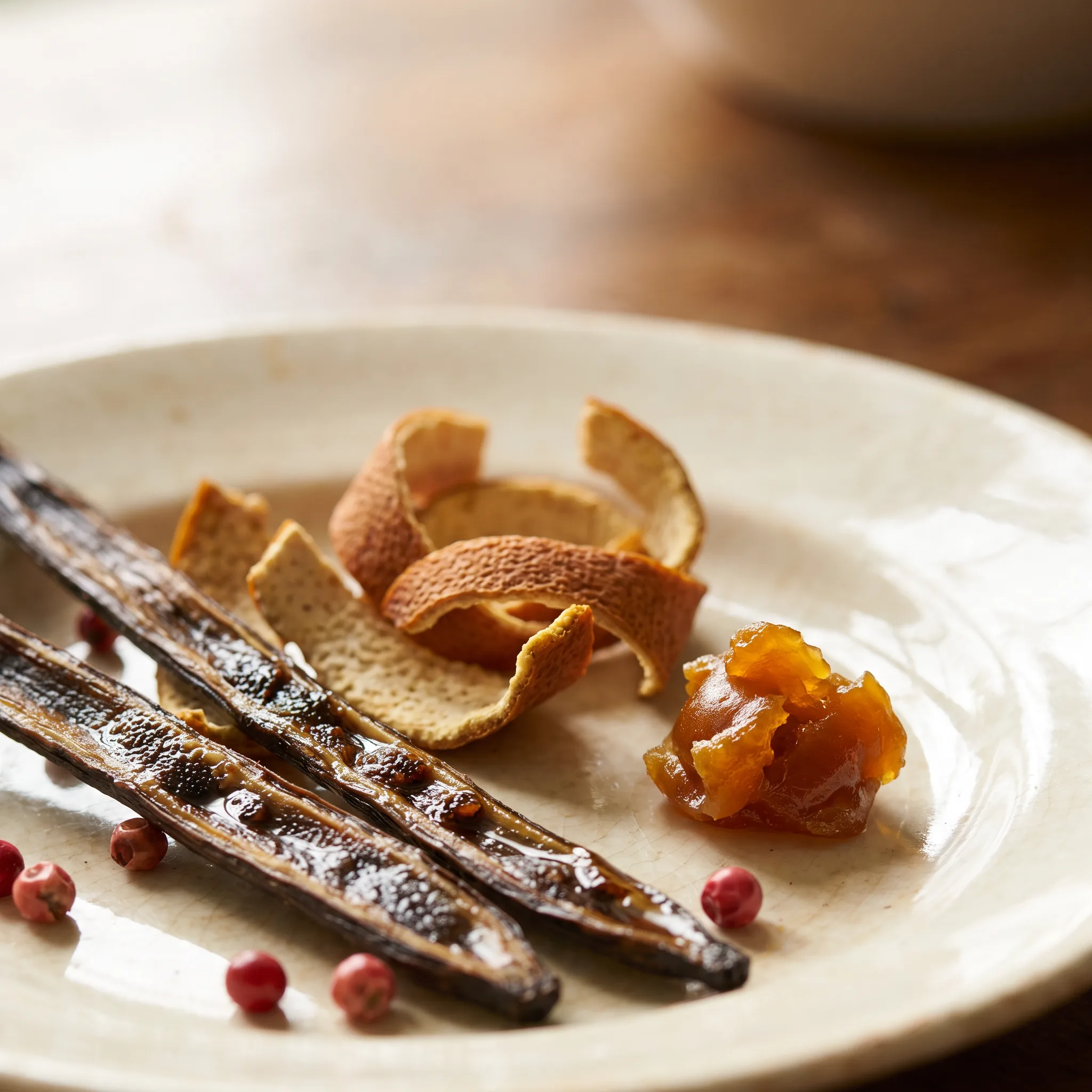
- Discovery sets: The house sells several small vials together. You test the range for the price of one bottle.
- Decants: A seller fills a small spray from a full bottle. You test one scent without buying the whole thing.
- In-store testing: A search for a niche perfume store near me will surface a counter or a boutique. Test on skin, not paper, and wait an hour.
Test one scent at a time. Your nose adapts to a smell after a few minutes. A scent can then seem to vanish while other people still detect it. Wait between tests. This effect starts in the brain, not only in the nose (Pellegrino et al., 2017). Receptor cells in the nose also renew every 30 to 90 days (Han et al., 2023). If you later want a full bottle, watch for a niche perfume sale rather than paying full price on impulse.
The Shortlist: Four Niche Fragrance Brands by House Character
These four houses cover the main characters in niche perfumery. Each card states what the house does well and where it asks for patience. No house suits everyone. Each house below is independent and easy to sample. The character label describes the house, not one bottle. A house can move between characters as it grows.
Minimalist: Juliette Has a Gun
A minimalist house removes rather than adds. Juliette Has a Gun builds scents from few materials and keeps the result close to the skin.
Experimental: Etat Libre d’Orange
An experimental house tests an idea, even a strange one. Etat Libre d’Orange builds scent from upcycled materials and names the perfumer behind each brief.
Classical: Acqua di Parma
A classical house keeps a fixed structure. Acqua di Parma works in the cologne tradition, where citrus and clean woods carry the scent.
Gourmand-Led: Nishane
A gourmand-led house builds around edible notes. Nishane treats vanilla and amber as structure and adds warm spice to keep the result adult.
Juliette Has a Gun Not a Perfume Eau de Parfum
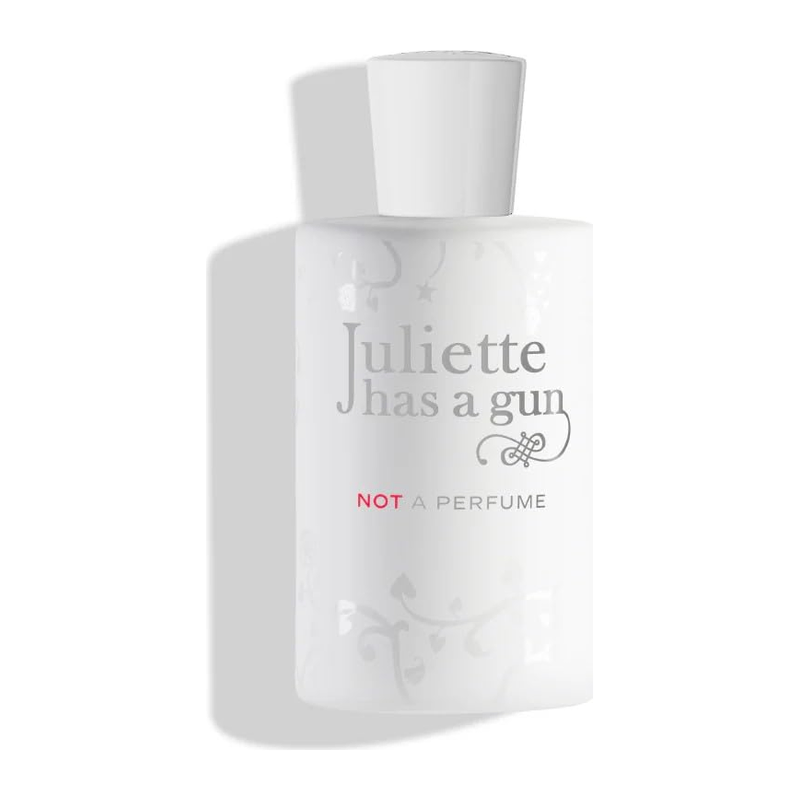
A French house that builds scent from one idea. Not a Perfume rests on a single synthetic molecule, so it sits close to the skin and reads as your own scent. Choose it if you want presence without a loud trail.
— Avery, Beautyisles AI Editorial Host
- Clean and modern on skin
- Works as a layering base
- Unisex by design
- Some noses find it faint
- Not a rich or complex scent
Etat Libre d’Orange I Am Trash Eau de Parfum
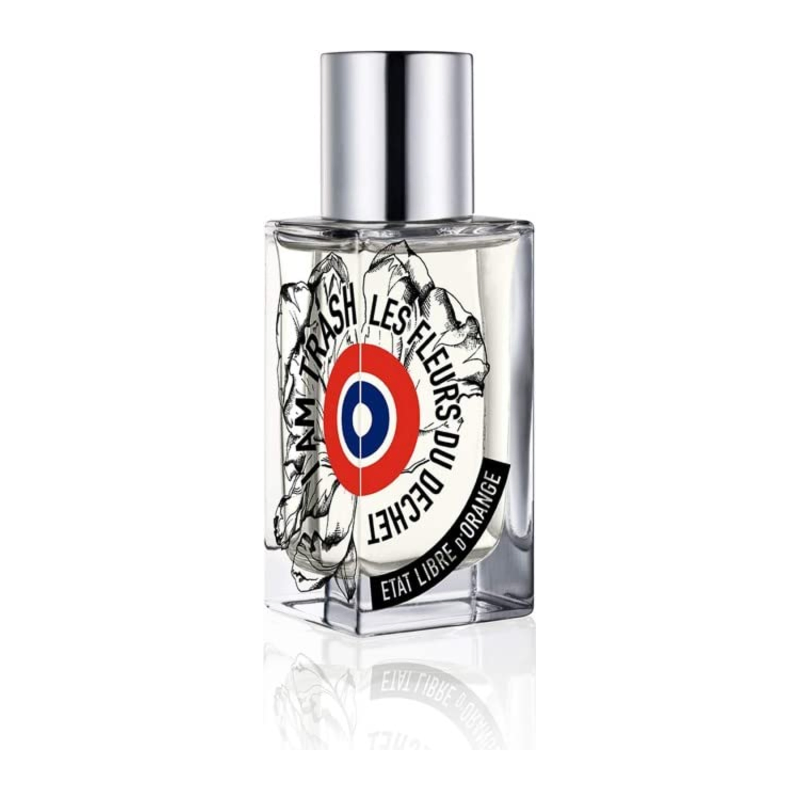
A Paris house that builds scent from discarded materials. I Am Trash turns apple waste and rose into a bright, woody scent. It rewards a curious nose and tests a cautious one.
— Avery, Beautyisles AI Editorial Host
- Unusual and memorable idea
- Bright fruit over clean woods
- A named perfumer and a clear story
- Polarising by design
- The name puzzles some buyers
Acqua di Parma Colonia Eau de Cologne
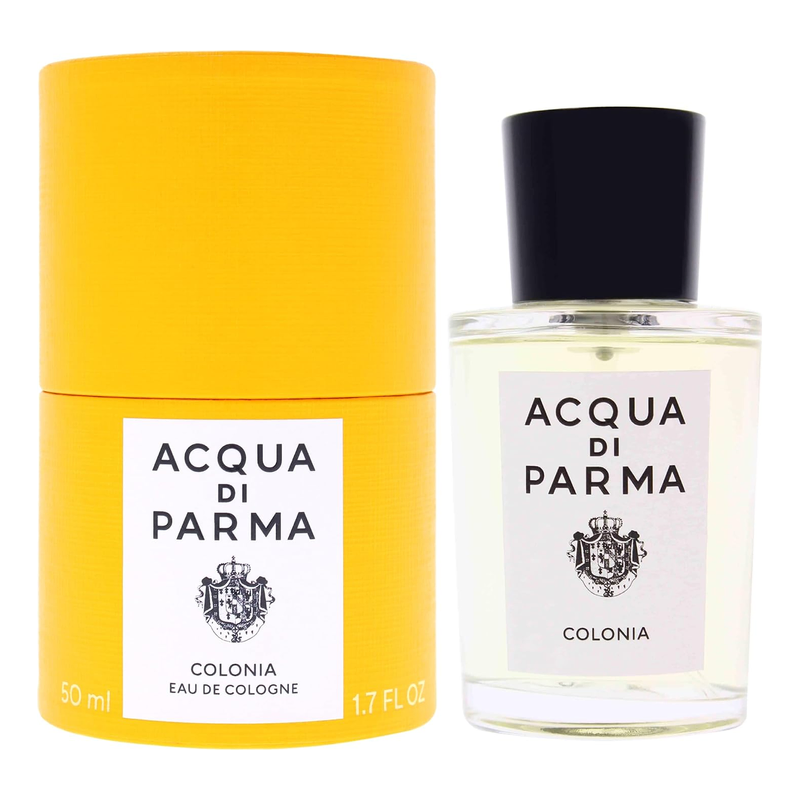
A classical Italian cologne built on citrus and clean woods. Colonia reads simple on paper and precise on skin. It is a safe first step into a real house, and it wears well in heat.
— Avery, Beautyisles AI Editorial Host
- Bright, clean citrus opening
- Easy to wear all year
- A house with a clear identity
- Cologne strength fades faster
- Familiar rather than daring
Nishane Ani Extrait de Parfum

A Turkish house that treats vanilla as structure, not sugar. Ani pairs vanilla and amber with warm spice and a green edge. The extrait load gives it a long, close wear on cold skin.
— Avery, Beautyisles AI Editorial Host
- High concentration for the price
- Warm without turning sweet
- A distinct house identity
- Heavy for hot weather
- Vanilla divides a room
| House | Character | Origin | Best For | Pricing |
|---|---|---|---|---|
| Juliette Has a Gun | Minimalist | France | Quiet, close wear | Check Price → |
| Etat Libre d’Orange | Experimental | France | A scent with a story | Check Price → |
| Acqua di Parma | Classical | Italy | Heat and easy daily wear | Check Price → |
| Nishane | Gourmand-led | Turkey | Cold-weather richness | Check Price → |
Use the table as a short list, not a verdict. Test each house on your own skin. A scent that reads rich on one person can read thin on another. If you plan to give scent from a house the recipient does not know, our guide to the perfume gift set shows how to choose a safe format.
How to Apply Niche Perfume So It Lasts
Application decides how a niche scent performs, and the same steps hold for any concentration. Spray at pulse points such as the wrists and throat, never rub the skin, and hold the bottle about 15 centimetres away. Warm skin releases scent slowly.
- Spray at pulse points, such as the wrists, the throat, and the inner elbows. These spots stay warm and release scent slowly.
- Do not rub the wrists together. Friction adds heat and speeds evaporation.
- Hold the bottle about 15 centimetres from the skin. A close spray concentrates the alcohol and smells harsh at first.
- Test on skin, not on a paper strip. Paper cannot show how a scent develops with your own body heat.
- Match the concentration to the day. An extrait can hold for hours, while a cologne fades sooner by design.
Perfume also holds stabilisers, colourants, and UV filters. That is why light and heat change a formula over time. Store a niche bottle in its box, away from a window and away from the bathroom shelf.
Skin condition changes how a scent wears, so one bottle can behave differently on two people. A rich base note can last for hours, while a citrus top note can leave within minutes. Learn your own skin before you judge a house.
Fragrance materials can also irritate the skin. Up to 4.5 percent of adults may be allergic to them, and the rate reaches 20 to 25 percent among patients patch tested for a skin complaint (de Groot, 2020). Citrus oils carry furocoumarins, natural compounds that react to sunlight. The International Fragrance Association limits total furocoumarins to 5 ppm in most cosmetics and 1 ppm in sun products (Irizar et al., 2025).
Frequently Asked Questions
Where to buy perfume?
Three routes cover most needs. The house website carries the full range and the freshest stock. A specialist perfumery or a department counter lets you test on skin before you spend. Amazon lists many houses, and a brand store page shows the seller. For niche perfume, make sure that the seller is the house or an authorised stockist. Small houses make small batches, so a deep discount from an unknown seller is a warning sign, not a bargain.
What are perfumes?
Perfumes are liquid mixtures of fragrant materials in a solvent, usually ethanol. The liquid holds top notes, heart notes, and base notes that release at different speeds. A niche perfume uses the same structure as any other scent. The difference sits in who built the formula, how much fragrant material the house used, and who owns the result.
How to make my own perfume fragrance?
You can build a simple blend at home with perfumer’s alcohol and a set of notes. Combine a light top note, a heart note, and a heavier base note. Then let the mixture rest for a few weeks. Two cautions matter. Some natural citrus oils contain furocoumarins, which can make skin react to sunlight, so keep those oils low. Homemade blends are not safety-tested, so patch test on your inner arm first.
Where to buy discounted fragrances?
Discounts come from two very different places. An authorised stockist cuts prices during seasonal sales and on older packaging. A grey-market seller buys outside the brand’s approved chain, so the bottle can be real but old or badly stored. Perfume holds stabilisers and UV filters because light and heat change a formula over time. If you buy discounted niche perfume, check the batch code and store the bottle away from a window.
What is perfumes?
Perfumes is the plural of perfume, and it usually describes a collection rather than one bottle. A perfume collection often mixes concentrations and houses. Collectors keep a small rotation, because the nose adapts to a scent worn every day. A scent you love can seem to fade on you while other people still notice it. Rotate your bottles to keep each one readable.
How to apply perfumes?
Spray perfume at pulse points and leave the skin alone. Rubbing adds heat and friction, and both speed evaporation. A concentrated extrait needs one or two sprays, while a lighter cologne needs more. Test a niche scent on skin across a full hour before a full wear, because the heart and base can shift the first impression.
Editorial Sources & Methodological References
- de Groot, A. C. (2020). Fragrances: Contact Allergy and Other Adverse Effects. Dermatitis, 31(1), 13-35.
- Han, S. A., Kim, J. K., Cho, D.-Y., Patel, Z. M., & Rhee, C.-S. (2023). The Olfactory System: Basic Anatomy and Physiology for General Otorhinolaryngologists. Clinical and Experimental Otorhinolaryngology, 16(4), 308-316.
- Pellegrino, R., Sinding, C., de Wijk, R. A., & Hummel, T. (2017). Habituation and adaptation to odors in humans. Physiology & Behavior, 177, 13-19.
- Rodrigues, A. E., Nogueira, I., & Faria, R. P. V. (2021). Perfume and Flavor Engineering: A Chemical Engineering Perspective. Molecules, 26(11), 3095.
- Irizar, A., Boislève, F., Gautier, F., Nash, J. F., Pfuhler, S., Ritacco, G., Vey, M., Wolf, N., & Cadby, P. A. (2025). Phototoxicity and skin damage: A review of adverse effects of some furocoumarins found in natural extracts. Food and Chemical Toxicology, 200, 115332.
- Sell, C. S. (2019). Fundamentals of Fragrance Chemistry. Wiley-VCH Verlag GmbH & Co. KGaA, Weinheim.