

- Read the label: Vanilla absolute is a natural extract with many molecules. Vanillin is one lab-made molecule, and it smells the same all day.
- Prep the skin: Vanilla lasts longer on moisturized skin. Dry, rough skin releases scent faster.
- Balance the sugar: Patchouli, musk, wood and citrus stop a sweet scent from turning cloying.
- Match the season: Choose light vanillas for warm weather and deep gourmands for cold weather.
Vanilla is the most recognizable note in modern perfumery, yet the best vanilla perfume is often the most misunderstood. Most bottles hold no vanilla at all. They hold vanillin, a single molecule made in a factory. This guide covers the whole sweet family, from vanilla to caramel, chocolate and coffee. It then shows you how to choose a scent for your skin, your season and your mood.
Perfume That Smells Like Vanilla: What Is Really in the Bottle
The vanilla note comes from the cured pod of Vanilla planifolia, a climbing orchid. A fresh pod has no vanilla smell. The aroma forms during curing, when an enzyme breaks a stored compound called glucovanillin into vanillin. Vanillin is the main smell molecule. In cured pods, it makes up 66 to 83 percent of the volatile compounds.
Natural vanilla is rare and costly. Less than 1 percent of the world supply of vanillin comes from vanilla pods. The rest is synthesized. One kilogram of natural vanilla needs about 500 kilograms of pods and roughly 40,000 hand-pollinated flowers. Natural vanilla costs about eighty to ninety times more than synthetic vanillin. That price gap explains why most perfumes use the synthetic molecule.
Industry makes synthetic vanillin in large amounts. The main route starts with guaiacol, a compound taken from wood or petrochemicals. Price shows the gap between the two materials. In 2024, natural vanilla sold for about 1,200 to 1,400 US dollars per kilogram. Synthetic vanillin sold for less than 15 US dollars per kilogram. About one third of industrial vanillin goes to perfume and cosmetics, and the rest goes to food, drink and medicine. A small and growing share now comes from fermentation, where microbes turn plant material into vanillin.
A 2021 study in Molecules looked at cured pods in detail. Pods matured for more than 38 weeks held the most volatile compounds. The highest vanillin level came after pods were treated three times at 65 °C for 1 minute each. Aroma also depends on how the pod is grown and cured, not just on the species.
Vanilla Absolute vs Vanillin: What the Label Does Not Tell You
Vanillin is a single chemical. A single molecule smells linear. Linear means it keeps the same character from the first spray to the final drydown. Vanilla absolute is a natural extract. It carries many compounds at once, so it smells rounder and shifts as the hours pass. A 2021 study of cured pods identified 31 volatile components, and vanillin is only one of them.
Both sit in the base of a fragrance. Base notes have low vapor pressure, so they evaporate slowly and last more than four hours on skin. Vanillin is a common base note in perfumery for this reason. Absolutes cost more, so premium houses use them more often. That cost is one reason the best luxury perfumes often list vanilla absolute instead of plain vanillin.
Why Vanilla Reads Differently on Every Skin
Fragrance molecules leave the skin at different speeds from person to person. A 2025 study in the International Journal of Cosmetic Science measured this on 10 volunteers. Hydration was the strongest factor. Well-hydrated skin released less fragrance, so the scent stayed closer and lasted longer. Rough skin and high water loss raised evaporation, so the scent escaped faster.
The same study found that skin pH, temperature and sebum did not change evaporation much. That finding is useful. It means the old advice to spray only on warm pulse points matters less than skin moisture. Moisturize first. Vanilla then holds better.
Moisture also changes how long a scent lasts. A fragrance applied to dry skin can lose its opening within the hour. The same fragrance on hydrated skin unfolds more slowly and keeps its shape.
Gourmand, Oriental and Floriental: How Sweet Scents Are Classified
Sweet perfumes fall into three linked families. A gourmand perfume is built on edible notes such as vanilla, caramel, chocolate and coffee. An oriental, also called an amber, is built on resins, balsams, spices and vanilla. It smells warm but less like food. A floriental places a floral heart over an oriental base. It blends flowers with sweetness.
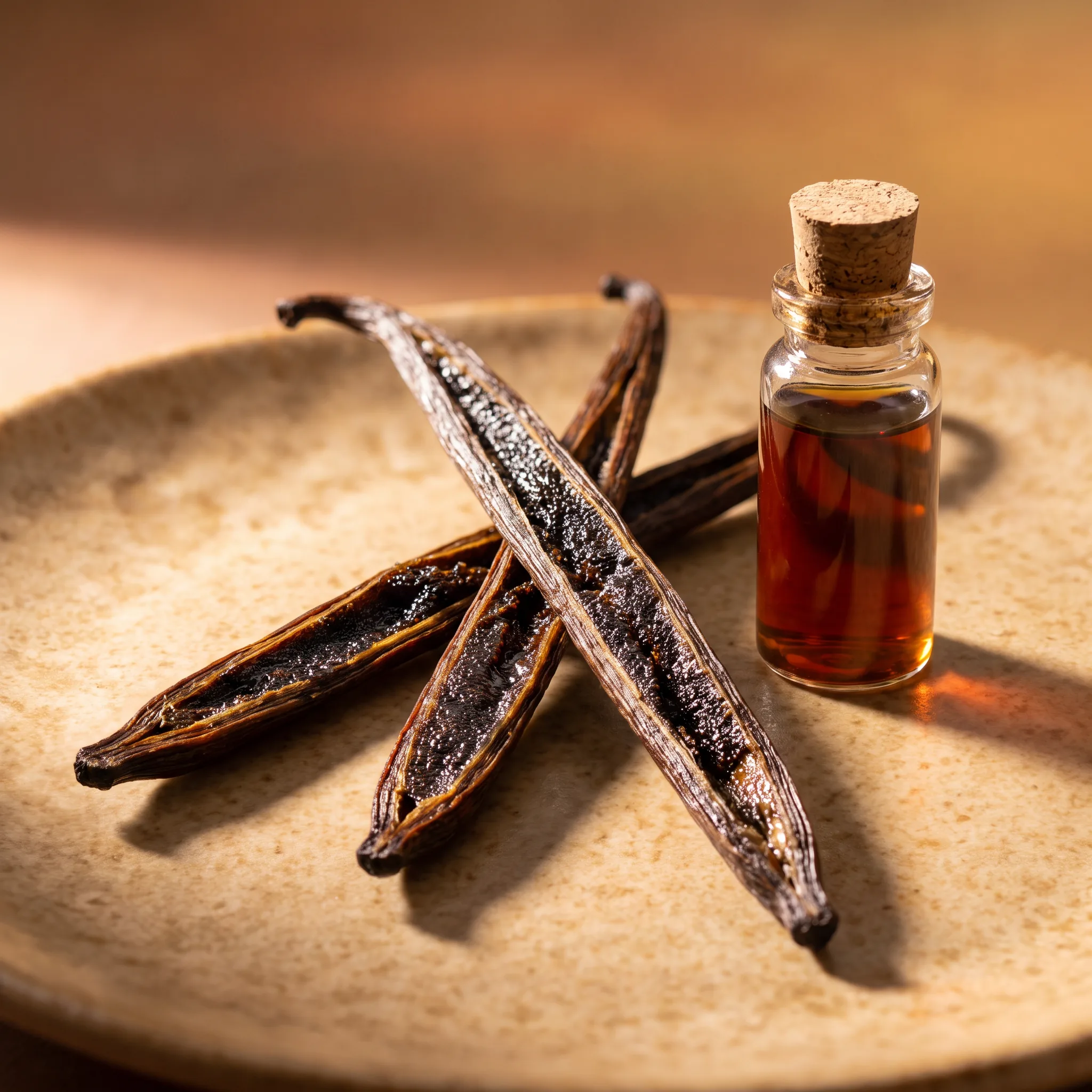
The gourmand family is young. It took shape in the 1990s, when perfume houses began to copy the smell of food. These scents carried a strong note of nostalgia. They reminded wearers of kitchens, baking and childhood. The trend grew through the 2000s and never left.
The three families overlap, and that overlap confuses shoppers. A single scent can sit in two families at once. Vanilla appears in gourmands and in orientals, because it is both edible and resinous. The difference is the company it keeps. Next to caramel and coffee, vanilla reads as dessert. Next to amber, myrrh and spice, it reads as warmth.
The Gourmand Family, Note by Note
Vanilla is the anchor. It is creamy, warm and slightly sweet. Caramel and praline add cooked sugar and toasted nuts, so they read darker and denser. Chocolate and cocoa bring a bitter, heavy edge. Coffee adds a roasted, bitter lift. Tonka bean carries almond, hay and tobacco facets, and it often supports vanilla. Lactonic notes, such as milk and coconut, make a gourmand feel soft and round.
Most gourmands combine two or three of these notes. That layering separates a full gourmand from a plain vanilla.
When you read a note list, check the base first. A gourmand usually ends on vanilla, tonka, caramel or musk. An oriental usually ends on amber, labdanum, benzoin or resin. A floriental ends on one of those bases with a clear flower on top. That single check tells you which family you are buying.
How to Choose a Vanilla Perfume by Season
Sweet molecules are heavy. Heat makes them project further, and cold slows them down. This single fact drives most seasonal choices. A scent that feels cozy in January can feel suffocating in July. For warm weather, choose a light concentration with citrus, green notes or salt. For cold weather, choose a deeper one with patchouli, amber or wood.
Warm-Weather Vanilla Scented Perfume
For warm weather, pick a lighter concentration and a brighter frame. An eau de toilette, a body mist or a perfume oil works well. The best vanilla perfume for hot days keeps the sugar in the base and the freshness on top. Look for a vanilla fragrance with citrus, green notes, coconut or salt. One or two sprays are enough. The sweet base note still shows, but the opening keeps it fresh.
Cold-Weather Vanillas
For cold weather, pick an eau de parfum or an extrait. Look for vanilla next to patchouli, amber, tobacco, coffee or wood. These notes add depth and stop the sweetness from feeling thin. A scarf or coat holds the scent for hours. Test any fabric first, because fragrance oils can stain.
Testing takes patience. Spray on skin, never on paper alone. Paper shows the opening well, but it misses how the scent settles on your skin. Wear a new vanilla for a full day before you buy. Check the opening, the heart and the drydown. A scent that still smells good after six hours is the one worth keeping.
How to Keep a Sweet Perfume from Turning Cloying
Cloying means so sweet that the scent feels heavy and tiring. It is a common complaint about vanilla. Four habits fix it. Use fewer sprays, moisturize first, add a dry counter-note, and rotate your bottles. Concentration also matters: a light body mist is easier to wear than a rich extrait.

First, use less. Two sprays on pulse points are enough for most eau de parfums. Second, moisturize before you spray. Hydrated skin releases fragrance slowly, so the scent stays balanced. Third, add a counter-note. Patchouli, vetiver, cedar, musk or a citrus top note cuts the sugar. Fourth, rotate your bottles so one sweet scent does not dominate your week. A light vanilla body mist can also sit under a deeper eau de parfum, and the mist softens the opening.
Concentration matters too. An extrait holds more fragrance oil than an eau de toilette, so one spray carries further. Choose the concentration that fits the room. A full gourmand extrait suits a cold evening. The same scent in a light body mist suits a warm afternoon.
Notes That Pair Well with Vanilla
Vanilla blends with almost anything, but four partners come up again and again. Each one changes the mood of the scent. These pairings suit a vanilla perfume for women, from light mists to heavy extraits. The rule is contrast: one sweet note next to one dry or tart note feels balanced, while two sweet notes together feel heavy.
Pairing works because the nose reads contrast. One sweet note next to one dry or tart note feels balanced. Two sweet notes together feel heavy. Keep that rule in mind when you layer a vanilla perfume with a body mist or a lotion.
Vanilla Strawberry Perfume
Strawberry adds a tart, juicy top note. It lifts the sugar and makes vanilla feel brighter. Look for strawberry in the opening and vanilla in the base. This pairing suits spring and early summer.
Vanilla Almond Perfume
Almond smells nutty and slightly bitter. That bitterness keeps vanilla from turning into pure candy. Almond and vanilla share a warm, edible character, so the pair feels natural. Tonka bean carries a similar almond facet and often appears in the same formula.
Patchouli Vanilla Perfume
Patchouli is an earthy, woody note. It works as a brake on sweetness. The earthy edge grounds the vanilla and adds depth. This is the classic gourmand pairing, and it suits cold weather and evenings.
Vanilla Musk Perfume
Musk is a soft, skin-like base note. It makes vanilla feel personal and close to the body. Modern perfumery uses synthetic musks, including macrocyclic types that perfumers prize for a long-lasting aroma. Musk also anchors many amber accords, where vanilla adds sweetness. A vanilla musk scent reads clean rather than sugary, so it works for daytime. Our guide to musk perfume explains how the note carries a scent on skin.
Vanilla Perfume Oil: The Closest Thing to Pure Vanilla Perfume
A perfume oil skips the alcohol. It sits close to the skin and releases slowly. That low diffusion suits anyone who wants a private scent rather than a room-filling trail. Alcohol-free oils also suit dry or sensitive skin. Apply a small amount to moisturized skin for the best hold.
Vanilla Body Mist: A Light Layer for Warm Days
A vanilla body mist holds less fragrance oil than an eau de parfum, so it stays close and fades faster. That makes it useful in two ways. Wear it alone on a hot day, when a heavy gourmand feels like too much. Or spray it under an eau de parfum to soften the opening and stretch the wear. Reapply through the day, because the light formula does not hold for long. For the full picture of this format, our guide to body mist explains how it sits next to eau de toilette and eau de parfum.
Top Vanilla Perfumes Compared by Intensity
The table below sorts four well-known sweet scents by intensity. Light scents suit daytime and warm weather. Full gourmands suit evenings and cold weather. The best vanilla perfume for your climate sits somewhere on this scale. Match the intensity first, then adjust the sprays.
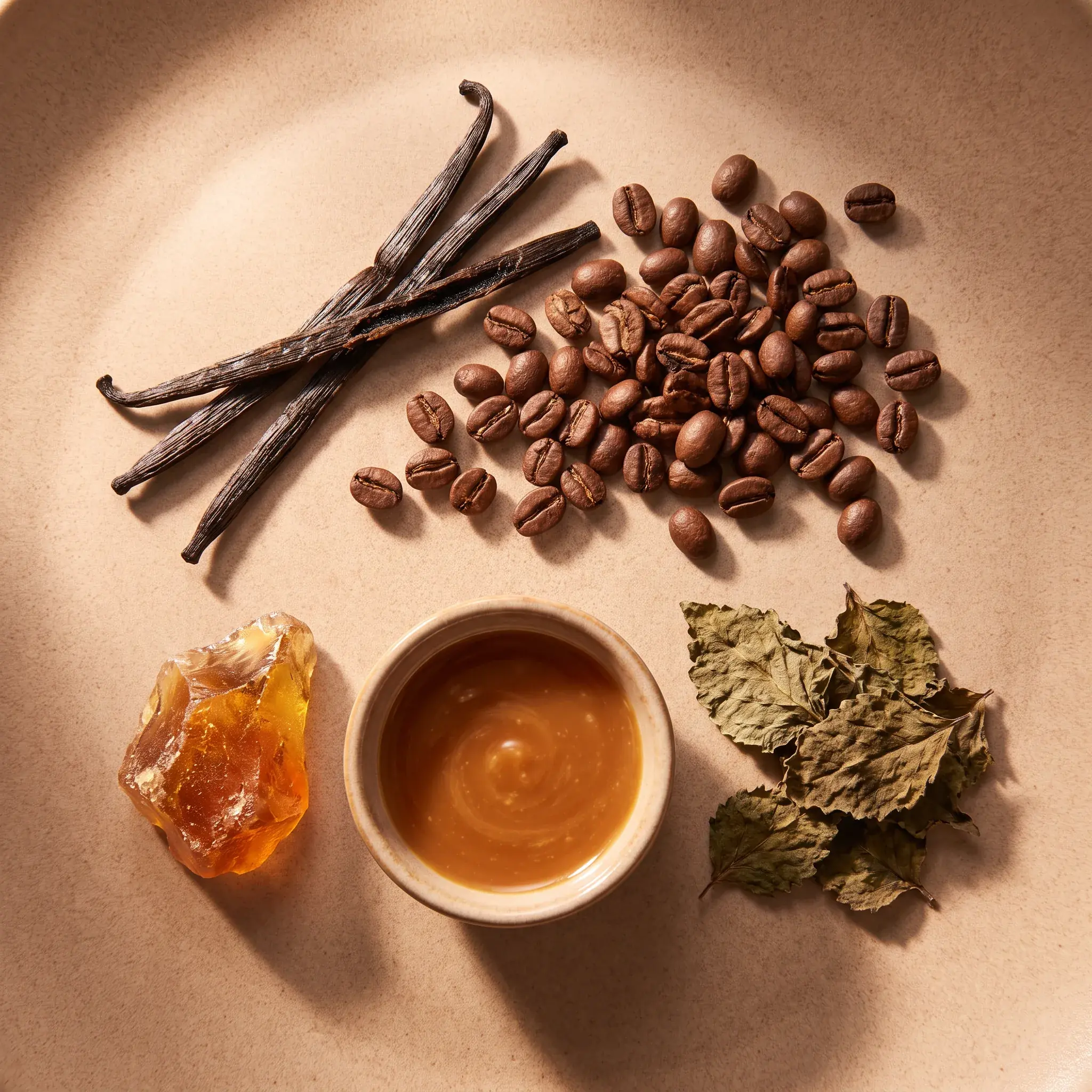
Intensity is not the same as concentration. Two eau de parfums can project very differently, because the base notes do the work. A vanilla built on amber and patchouli will fill a room. A vanilla built on musk and coconut will stay close. Read the base notes, not just the name on the bottle.
| Fragrance | Intensity | Sweet Notes | Best For | Pricing |
|---|---|---|---|---|
| Burberry Goddess Eau de Parfum | Light | Vanilla trio, lavender | Daytime, warm weather | Check Price → |
| Guerlain Mon Guerlain Eau de Parfum | Everyday | Vanilla absolute, jasmine, sandalwood | Office, all year | Check Price → |
| Carolina Herrera Good Girl Eau de Parfum | Rich evening | Coffee, almond, tonka, vanilla | Evening, cold weather | Check Price → |
| Mugler Angel Eau de Parfum | Full gourmand | Praline, chocolate, patchouli, vanilla | Evening, cold weather | Check Price → |
Best Vanilla Perfumes for Each Intensity
These four picks cover the whole range of the best vanilla perfume, from a light daytime vanilla to a full gourmand. Each one is a well-known designer scent with a long production history. Start with the intensity that matches your climate and your routine. Then adjust the number of sprays, not the bottle.
Vanilla is also the safest gourmand gift, because the note is familiar and rarely divides opinion. Our guide to the perfume gift set shows how to build one around it.
Burberry Goddess Eau de Parfum

A bright, wearable vanilla that stays close to the skin. The lavender keeps the sweetness dry and clean.
— Avery, Beautyisles AI Editorial Host
- Three vanilla notes build depth without heaviness
- Lavender adds a crisp, non-sugary edge
- Refillable bottle
- Light projection on dry skin
- Reads soft rather than bold
Guerlain Mon Guerlain Eau de Parfum
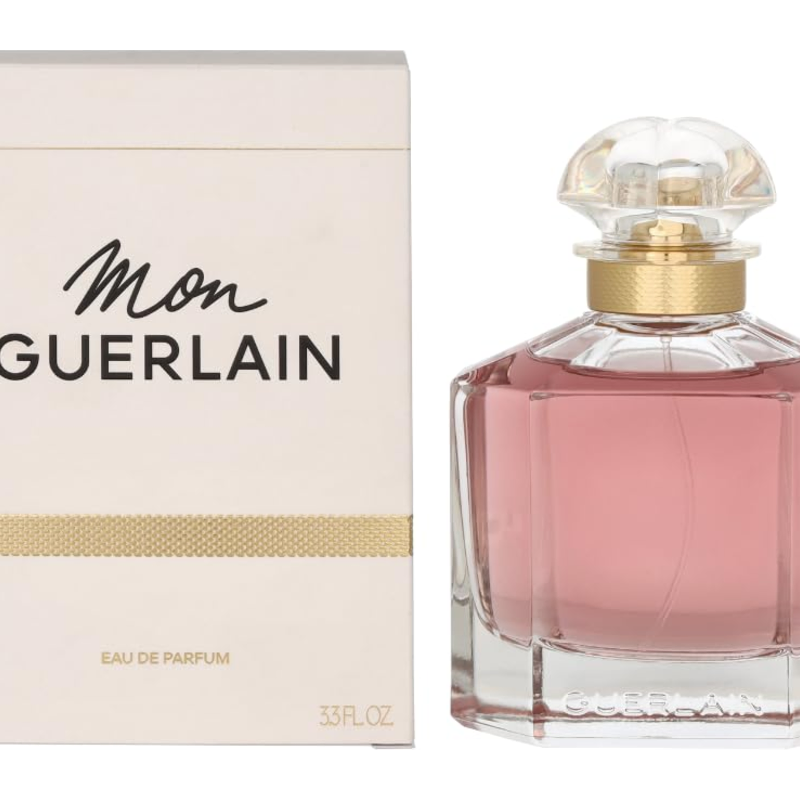
A polished vanilla absolute wrapped in lavender and jasmine. It reads grown-up rather than dessert-like.
— Avery, Beautyisles AI Editorial Host
- Vanilla absolute gives a rounded, resinous sweetness
- Lavender and jasmine balance the sugar
- Strong all-day wear
- Premium price
- The floral heart can feel formal for casual days
Carolina Herrera Good Girl Eau de Parfum
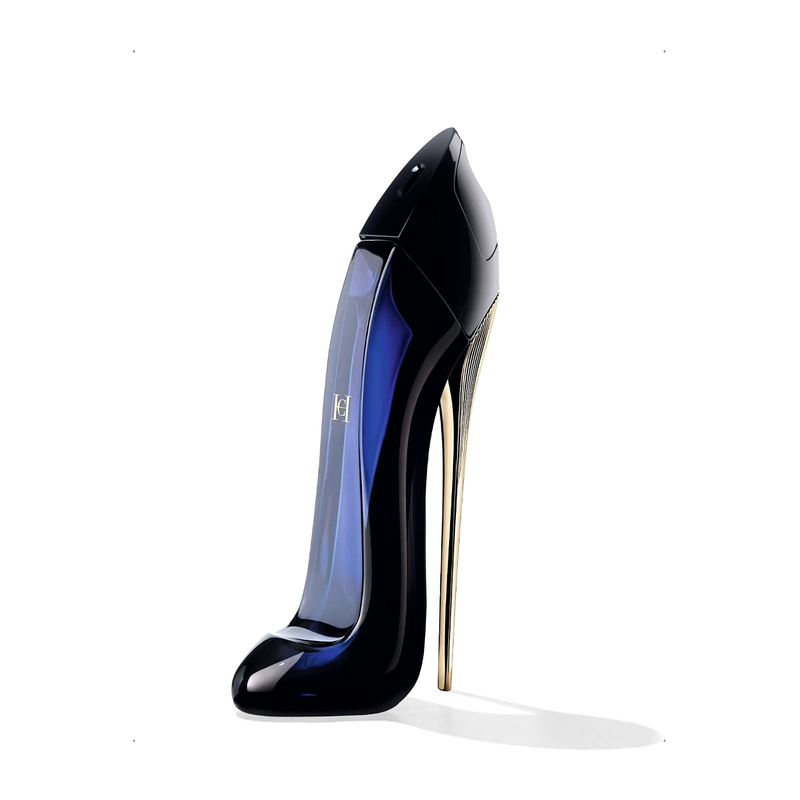
A roasted coffee opening over tonka, cocoa and vanilla. It is a modern way to wear a sweet scent after dark.
— Avery, Beautyisles AI Editorial Host
- Coffee and almond cut the sweetness at the top
- Tonka, cocoa and vanilla warm the drydown
- Strong projection for evenings
- The floral heart can read formal
- Heavy for hot weather
Mugler Angel Eau de Parfum

A landmark gourmand. Praline and chocolate sit on a patchouli base that stops the sugar from taking over.
— Avery, Beautyisles AI Editorial Host
- Deep praline, caramel and chocolate accord
- Patchouli adds an earthy counterweight
- Refillable and long-lasting
- Very sweet and loud in heat
- Patchouli divides opinion
Frequently Asked Questions
Does perfume expire?
Most perfumes carry no printed expiry date. In the European Union, a product that lasts more than 30 months must show a period-after-opening symbol, a small jar with a number of months. Vanilla perfumes often age well, because vanillin is a stable molecule. Light, heat and air break the top notes down first. Store the bottle upright in a dark, cool place. If the liquid darkens and the opening smells sharp or sour, replace it.
Where to buy perfume?
Buy from authorized sellers. Counterfeit fragrances are a real risk. A 2026 study in the Flavour and Fragrance Journal compared original and fake perfumes. The fakes swapped costly aroma chemicals for cheap fillers and, in some cases, hazardous compounds such as phthalates. Warning signs include a price far below retail, sloppy packaging and a scent that smells off. Check that the seller is the brand or an authorized store. Compare the batch code on the bottle base with the code on the box.
What perfume do men like on a woman?
No single note wins. A 2021 review of scent and person perception found that pleasant smells shift attractiveness ratings by only about 5 percent. In several of those studies, a pleasant scent did not score higher than no scent at all. Unpleasant smells lowered ratings by a similar small amount. Warm, sweet notes such as vanilla still read as comforting, and gourmand scents carry a strong sense of nostalgia. Choose a vanilla you enjoy. Clean application and a good fit with your skin matter more than the note itself.
What are perfumes?
A perfume is a mixture of fragrant molecules in a carrier, usually ethanol and water. The molecules sit in three groups. Top notes last 15 to 30 minutes. Heart notes last 3 to 4 hours. Base notes last more than 4 hours. Vanilla and vanillin sit in the base. That is why a vanilla scent stays after the bright opening fades.
How to make my own perfume fragrance?
Start with one base note, one heart note and one top note. Vanillin or a vanilla absolute can act as the base. Blend the fragrance oils first, then add a carrier such as ethanol and water. Give the blend time to settle so the notes merge. Test every mix on a small patch of skin first. Fragrance materials can cause contact allergy, and oxidized terpenes are stronger allergens. Keep a record of your ratios.
How to apply perfumes?
Apply to clean, moisturized skin. Hydration was the strongest skin factor in a 2025 evaporation study, and dry skin released fragrance faster. Spray two or three times on pulse points: the wrists, the neck and behind the ears. Do not rub your wrists together. Let the scent settle on its own. For a stronger vanilla trail, spray once on a scarf or a coat.
Editorial Sources & Methodological References
- Yeh, C.-H., et al. (2021). New Insights on Volatile Components of Vanilla planifolia Cultivated in Taiwan. Molecules, 26(12), 3608.
- Tazon, A. W., Awwad, F., Meddeb-Mouelhi, F., & Desgagne-Penix, I. (2024). Biotechnological Advances in Vanillin Production. BioChem, 4(4), 17.
- Rodrigues, N., Nogueira, I., & Faria, R. (2021). Perfume and Flavor Engineering: A Chemical Engineering Perspective. Molecules, 26(11), 3095.
- Hadjiefstathiou, C., et al. (2025). Exploring the impact of fragrance molecular and skin properties on the evaporation profile of fragrances. International Journal of Cosmetic Science, 47(6), 981-995.
- Spence, C. (2021). The scent of attraction and the smell of success: crossmodal influences on person perception. Cognitive Research: Principles and Implications, 6, 46.
- Macrocyclic musks: Trends in development and synthetic strategies. Tetrahedron.
- Sukakul, T., Bruze, M., & Svedman, C. (2024). Fragrance Contact Allergy – A Review Focusing on Patch Testing. Acta Dermato-Venereologica, 104, adv40332.
- Hananeh, W., & Alajlouni, A. M. (2026). Unmasking Scent Authenticity: A Comparative Analysis of Original Versus Fake Perfumes. Flavour and Fragrance Journal, 41(2), 362-367.