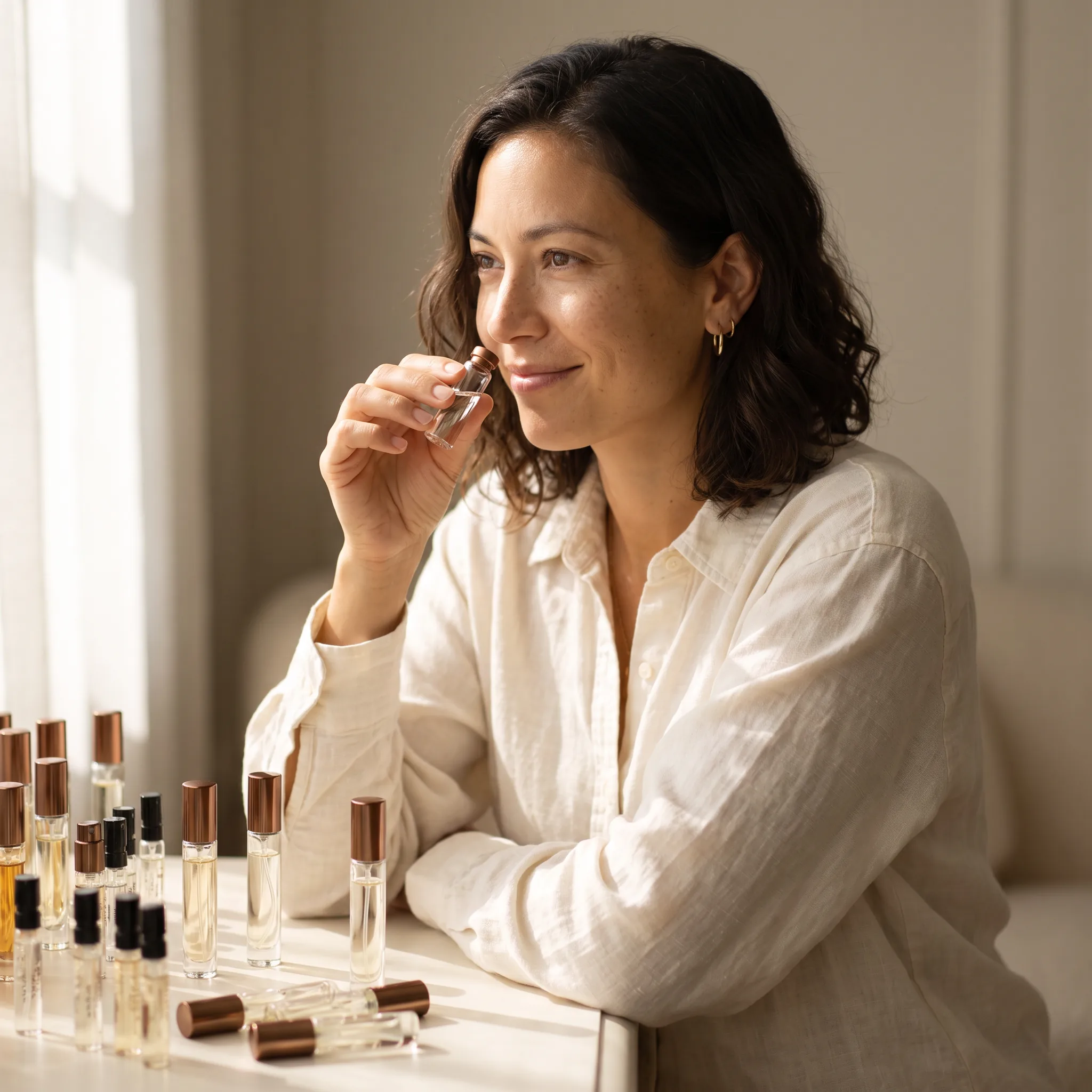
- Protocol 1: Match the format to the job. A perfume sampler set is only as good as its vials. A dab vial suits a first smell, a travel spray suits a full day of wear, and a tester is a store bottle, not a product you buy.
- Protocol 2: Count wears, not vials. A pump spray releases about 0.1 milliliters at each press, so a 1.5 milliliter vial gives about five to seven wears.
- Protocol 3: Test on skin, not paper alone. A blotter shows the opening notes. Skin shows the dry-down.
- Protocol 4: Read a discovery set before you pay. Check the vial type, the concentration and the value of any redeemable voucher.
- Protocol 5: Run a four-week routine. Test two scents a week, keep short notes, and buy one full bottle at the end.
A perfume sampler set turns a blind buy into a test. The skill is knowing what each format holds and how to read the result. This guide covers the sample vial, the travel spray, the mini and the tester. It explains how many wears a small vial gives, why skin beats paper, and how to read a discovery set before you pay. It closes with four sets chosen by purpose and a routine that ends in one full bottle.
What a Perfume Sampler Set Actually Is
A perfume sampler set is a group of small fragrance units sold as one pack. A set of this kind is also called a perfume discovery set. Four formats appear in most sets: the dab vial, the travel spray, the mini and the store tester. Each format changes how you test and how much liquid you get.
The perfume sample vial: a dab, not a spray
A perfume sample vial is a small glass tube with a stopper. You tip the tube and touch the stopper to your skin. This is a dab, so the dose is small and uneven. A vial usually holds 1 to 2 milliliters. Most perfume sample vials hold 1.5 milliliters, and that is the sample vials perfume buyers see most often. The dab format shows the opening well. It shows the dry-down poorly, because you apply less liquid.
The travel spray: a small atomizer
A travel spray is a small bottle with a pump. One press releases a fine mist, so the dose matches a full bottle. Travel sprays usually hold 5 to 10 milliliters. A perfume sample set built on travel sprays costs more than a dab set. It also gives a truer test, because you spray the same amount you wear from a full bottle.
The mini, the tester and the gift with purchase
A mini is a small version of a full bottle, often 5 to 7.5 milliliters. Stores keep perfume testers on the counter so a shopper can judge a scent in person, but a tester is not a retail product, and a store does not sell it. A fragrance discovery set is the paid way to take that counter test home. A gift with purchase adds one small item to a single bottle. A sampler also makes a low-risk gift, and the perfume gift set guide covers the boxed formats built for giving. Read the item list, because the front of the box can describe the packaging, not the contents.
One more format hides in plain sight. A refillable atomizer is an empty travel spray. You fill it from a full bottle with a pump. It is not a sample, but it lets you carry a tested scent in a small case. For a light scent, a body mist can be the better trial, because that format is built to sit close and fade fast.
How Many Wears a Small Perfume Sample Really Gives
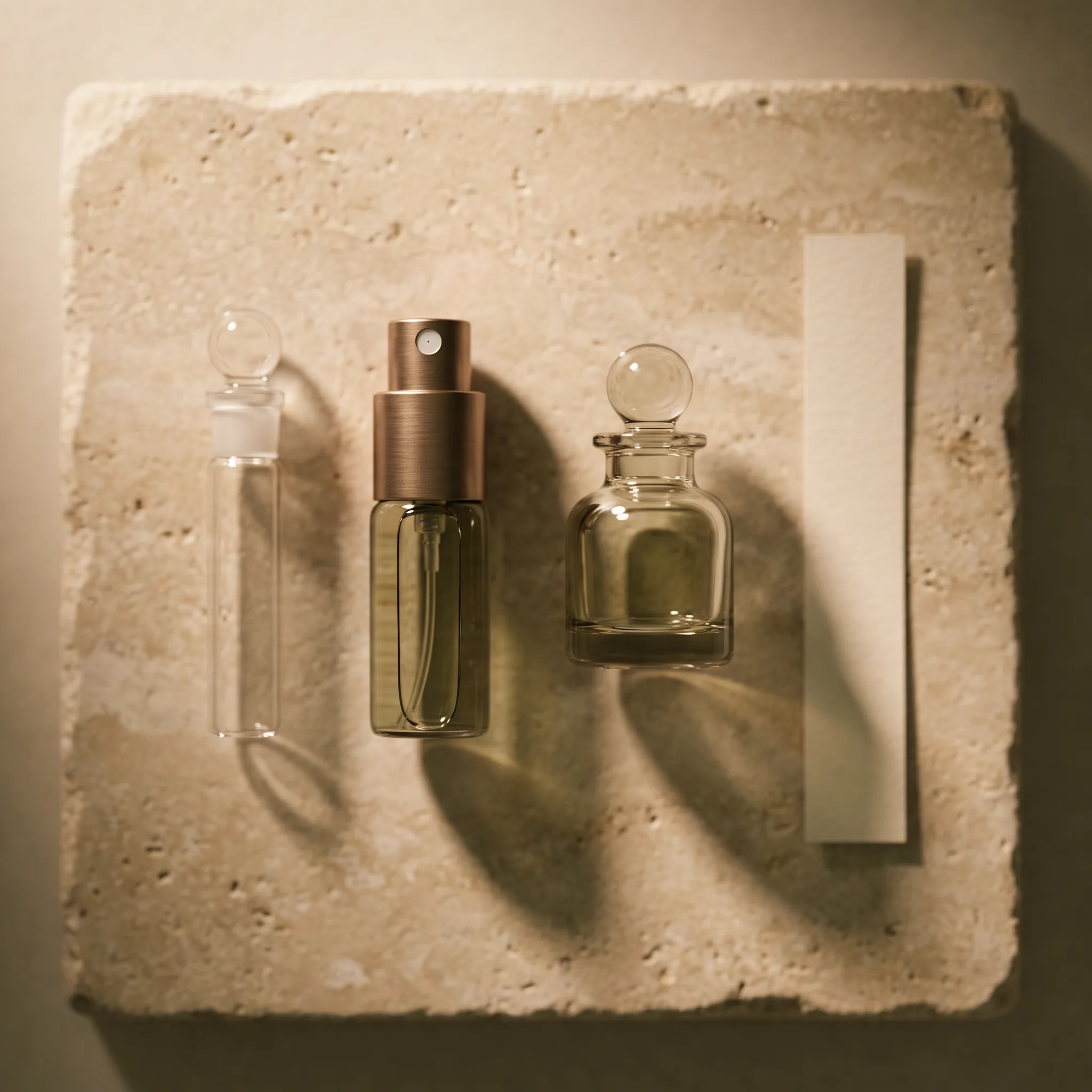
The number of wears matters more than the number of vials. A pump spray releases about 0.1 milliliters at each press. A 1.5 milliliter vial therefore holds about 15 presses. Most people use two to three sprays for one wear. That works out to about five to seven wears from one vial.
How many wears a 1.5 ml vial gives
Run the same math for each size. A 1 milliliter vial gives about 10 presses, or three to five wears. A 2 milliliter vial gives about 20 presses, or seven to ten wears. A 5 milliliter travel spray gives about 50 presses, or 17 to 25 wears. A 10 milliliter travel spray gives about 100 presses, which is close to a month of daily wear.
Small perfume samples: read the volume, not the count
A set of ten vials sounds generous. Check the volume first. Ten vials of 1 milliliter hold 10 milliliters in total. Five vials of 2 milliliters hold the same amount. Small samples of perfume in a dab vial also waste liquid, because the stopper holds some back. A spray vial wastes less, so the same volume lasts longer.
A model of volatile compounds applied to skin, published in Dermal Absorption Models in Toxicology and Pharmacology, describes how a small dose splits between two paths. Part of the dose leaves into the air, and part passes into the skin. The two paths compete, so the scent that reaches the nose changes over time.
Why You Must Test on Skin, Not Paper Alone
A blotter is a strip of absorbent paper used to smell a fragrance without wearing it. A blotter is a clean read of the formula. It is also an incomplete read. A 1996 study in the International Journal of Cosmetic Science compared perfume on skin with perfume on an inert surface. The scent behaved differently on each one. Skin holds some materials, slows their release, and changes the balance over time.
A 2025 study in the same journal tracked fragrance evaporation on the forearms of ten volunteers. Skin hydration, water loss and skin roughness all changed how fast the scent left the skin. No single factor, such as age or sex, predicted the result.
A 2025 study in Talanta built a device to measure fragrance evaporation from four surfaces. The surfaces were inert glass, a synthetic skin model, a perfume test strip and human skin. The device measured the scent in the air above each surface over time. The work follows an earlier finding that skin is not inert, because it interacts with perfume and slows its release.
A 2019 study in Industrial & Engineering Chemistry Research modelled the same problem. A fragrance dose on skin both evaporates into the air and passes into the skin. The two routes compete, so the amount that reaches the nose changes with time and with the surface.
Paper is still useful. Use a blotter to screen out scents you dislike. Then wear the survivors on skin for a full day.
How to Test Perfume: The First Hour and the Full Day
A fragrance unfolds in three stages. A 2021 review in Molecules describes the order: top notes last 15 to 30 minutes, middle notes carry the character for 3 to 4 hours, and base notes cling to the skin for more than 4 hours. A 2025 Flavour and Fragrance Journal study tracked the slow materials that decide how a sample ends.
How to test perfume
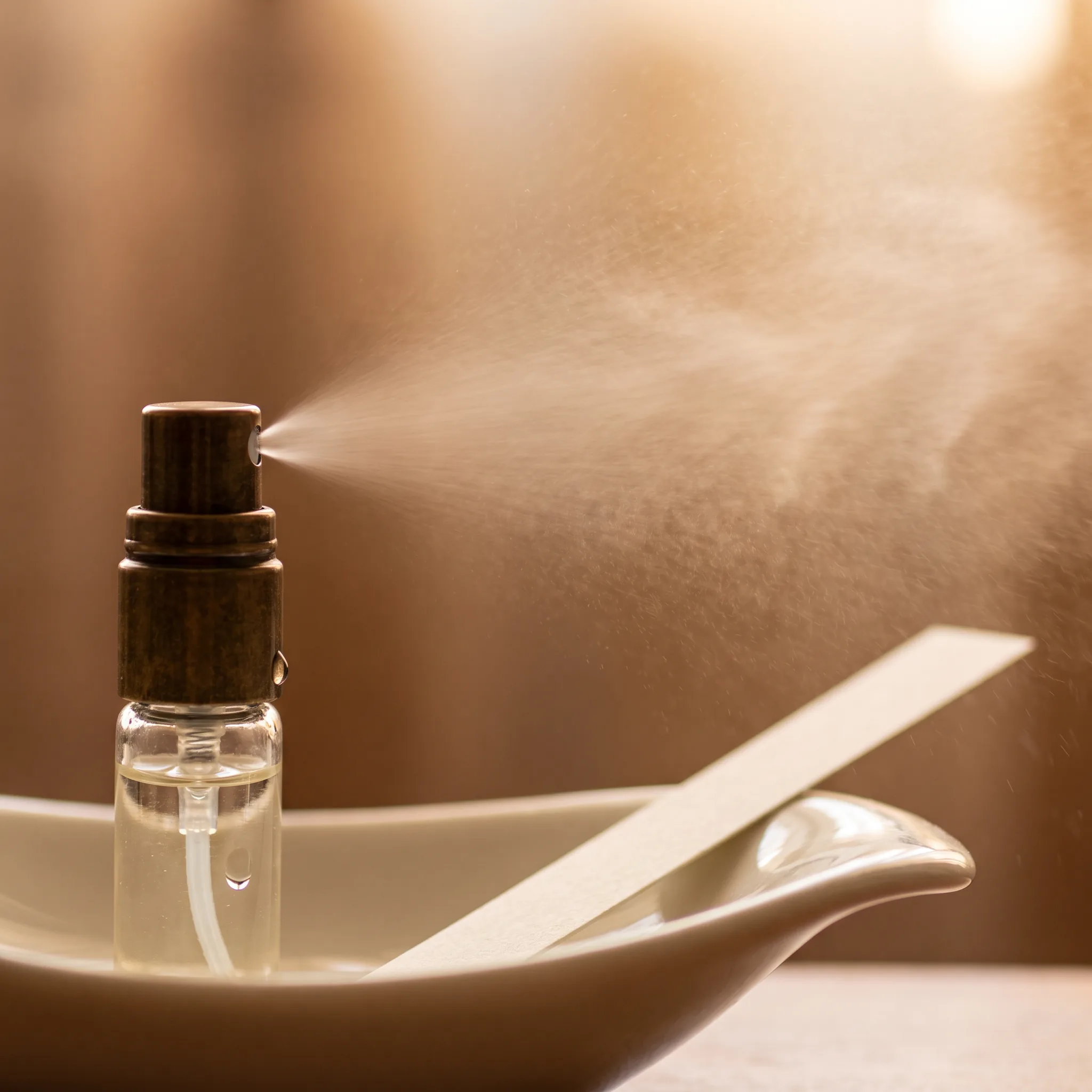
Start with clean, dry skin. Spray once on the inner forearm. Do not rub the skin, because rubbing adds heat and pushes the light notes off faster. Smell the spot at 15 minutes, at one hour and at four hours. Write one plain word for each check, such as sharp, sweet, woody or soapy.
The first hour shows the change most clearly. The top notes fade, and the base steps forward. A scent you dislike at 15 minutes can turn pleasant at two hours. A scent you love at 15 minutes can turn heavy at four hours.
The nose also tires of a constant odor. A 2017 review in Physiology & Behavior describes how fast the sense of smell adapts. This is why a wearer stops noticing their own scent. Ask another person to smell the spot, because your nose has adapted to it.
A patch check for reactive skin
Fragrance is a common cause of skin allergy. A 2015 study in the British Journal of Dermatology found fragrance mix I allergy in about 2.6 percent of the European general population. A 2026 review in the Journal of the American Academy of Dermatology describes the repeated open application test. In that test, a person applies a small amount of the product to the inner forearm twice a day for up to two weeks. A reaction means the skin dislikes the product. When the skin reacts, stop the test and see a doctor.
How to Read a Discovery Set Before You Buy It
A discovery set is a curated pack from one house or several. Read four things before you pay: the vial type, the concentration, the value of any redeemable voucher and the seller. Buy fragrance samples from the brand or an authorized retailer, and treat a very low price on a luxury scent as a warning sign.
Check the vial type
A spray vial gives a real test. A dab vial gives a first impression. A roll-on oil gives a third kind of test, because the oil sits on the skin and releases slowly. Match the vial to your goal. Choose sprays for a scent you plan to wear daily. Choose dabs when you only want to compare openings.
Check the concentration
A set can mix concentrations. Eau de toilette holds less fragrance oil than eau de parfum. The same house can sell both. Read the label for each vial, because a light concentration fades faster and needs more sprays.
Check for a redeemable voucher
Some sets include a voucher. The voucher covers part or all of a full bottle when you buy it later. Read the value and the expiry date. A voucher turns the set into a deposit. A set without a voucher is a plain purchase, so judge it on the volume alone.
Where to buy perfume samples
Buy from the brand or an authorized retailer. A brand website often sells a discovery set directly. A department store counter sells samples and travel sizes, and it lets you test on skin first. On a marketplace, check that the seller is the brand or an authorized stockist. A very low price on a luxury scent is a warning sign. Independent houses sell sample sets direct, and the niche fragrance guide explains how those smaller labels build a range.
How to get free perfume samples
Counters give samples with a purchase, not on demand. A brand website sometimes adds samples to an order at checkout. A discovery set is the paid version of the same idea, and it gives more control over the scents. Ask the counter for a sample of the scent you tested, because staff often keep small vials behind the desk.
Reading a designer perfume sample set
A designer perfume sample set carries several designer scents in one pack. Check the vial size and the seller, because designer sets attract counterfeit stock. A set of 1.5 milliliter vials is the usual size. When the price looks far below the market, treat the listing as suspect.
How to Store Opened Samples So They Do Not Turn
A sample is an open bottle, so it ages faster than a sealed one. Air, light and heat all change the liquid. A 2018 study in Toxicology in Vitro tested 24 fragrance materials under forced light, heat and oxidation. Several materials broke down and became more reactive.
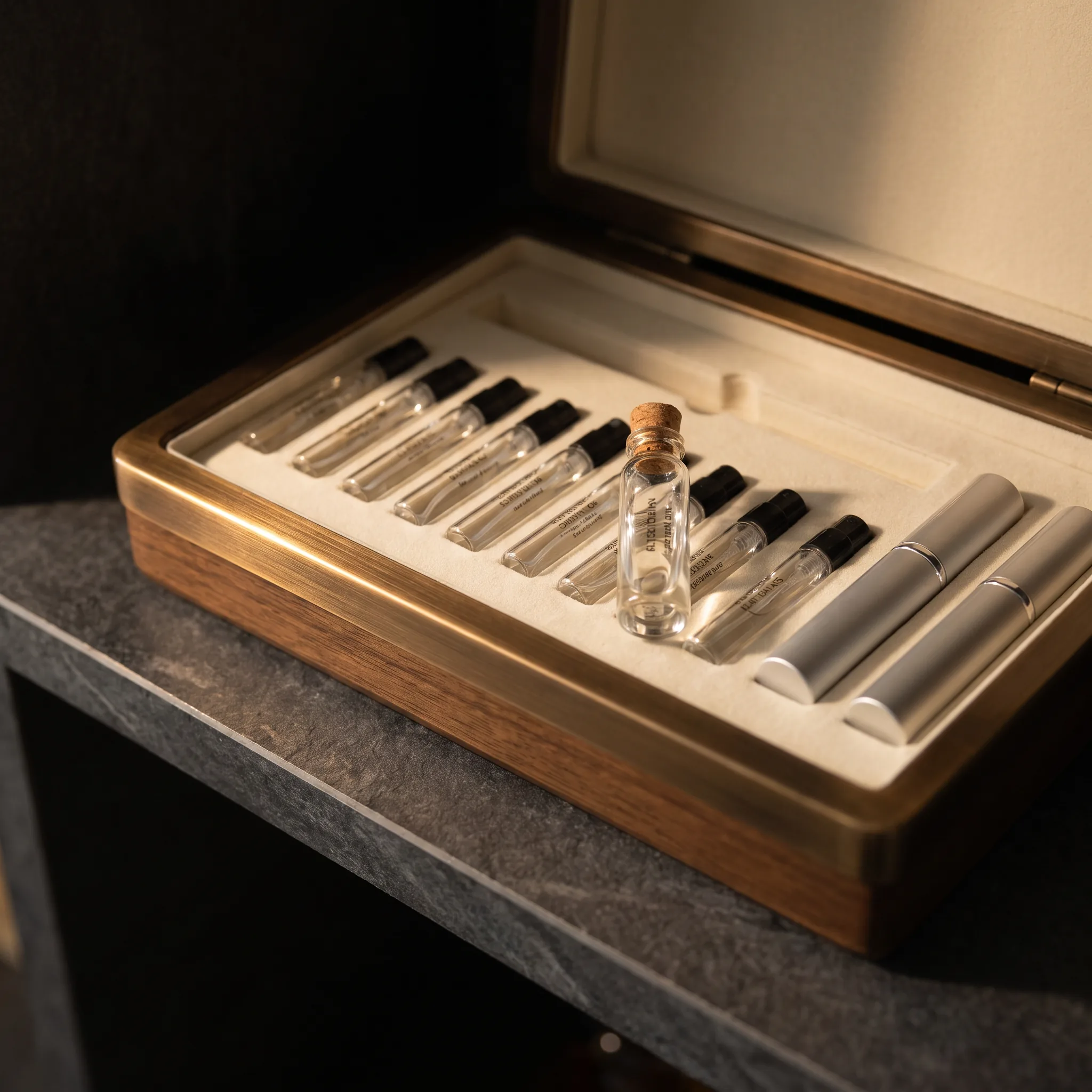
Limonene is a common citrus material, and it oxidizes in air. A 2006 study in Contact Dermatitis tested oxidized limonene in 2,411 dermatitis patients. About 2.6 percent reacted to one or both forms. The oxidation products drove the reaction. An old sample can therefore irritate skin that a fresh one did not.
Store each vial upright and in its box. Keep the vials away from a window, a radiator and a hot bathroom. A cool, dark drawer works well. Close the cap fully after each use, because air speeds oxidation. Keep a dab vial clean, because the stopper carries skin and dust back into the tube.
A travel spray keeps its liquid while the seal holds. Check the cap and the collar after each trip. When a vial has leaked, the light top notes leave first, so the scent reads flatter than it did. Write the date on each vial when you open it, so you know its age.
The Beautyisles Edit: Four Ways to Trial a Scent
The four picks below cover a niche discovery set, a single-house set, a roll-on oil set and a refillable travel atomizer. Each one was checked for a live product page and an unused record in our files.
Mancera Discovery Set Eau de Parfum
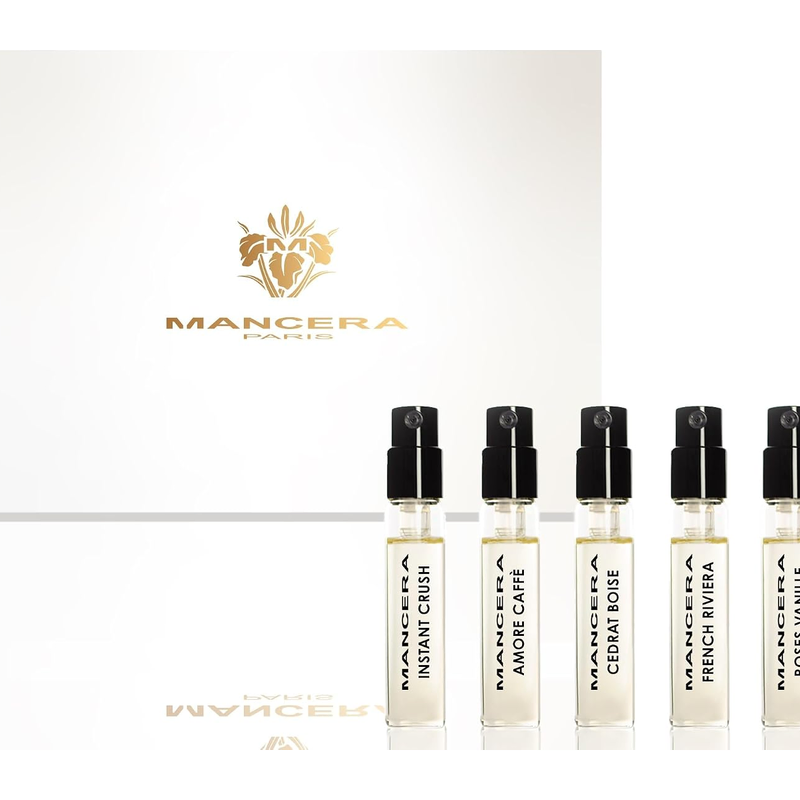
Five spray vials from one French niche house. The set spans citrus, gourmand and rose, so the buyer tests range before buying a bottle. It suits a curious wearer new to niche. The buyer accepts small vials with a limited number of wears.
— Avery, Beautyisles AI Editorial Host
- Five scents in one set
- Sprays match full-bottle dose
- Covers several scent families
- Few wears per vial
- Vials need careful storage
Memo Paris Discovery Set for Him Eau de Parfum
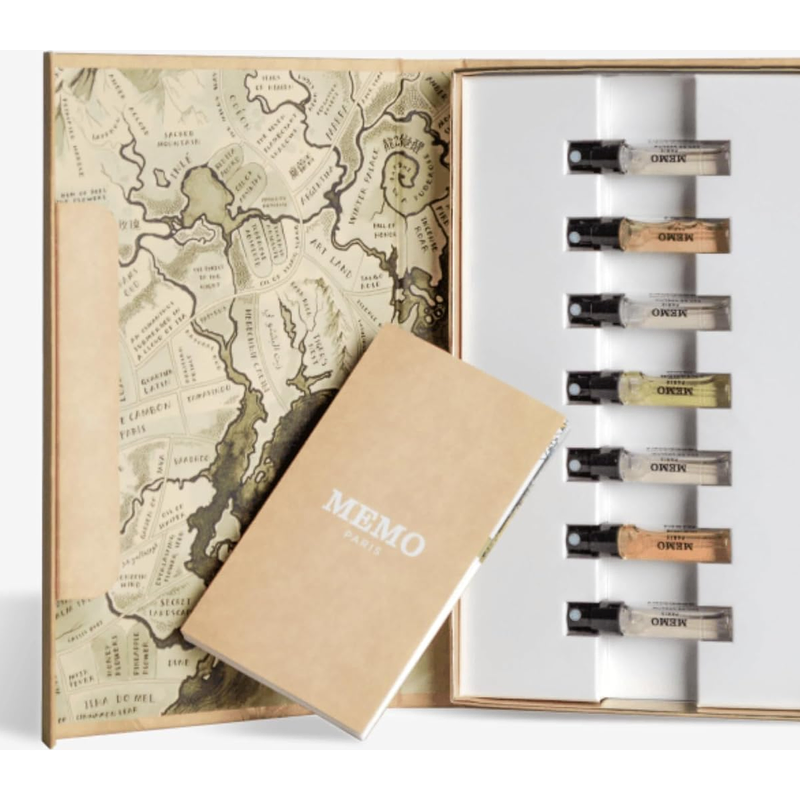
Seven travel sprays from one leather-led house. Living with a single range for a week shows which scent a wearer reaches for. It suits a buyer who wants depth before a full bottle. The buyer accepts a narrow, leather-heavy focus.
— Avery, Beautyisles AI Editorial Host
- Seven scents in one case
- Travel sprays give full wear
- Focuses on one house
- Leather-heavy range
- Not for light floral fans
Maison Louis Marie Roll-On Perfume Oil 5-Piece Set
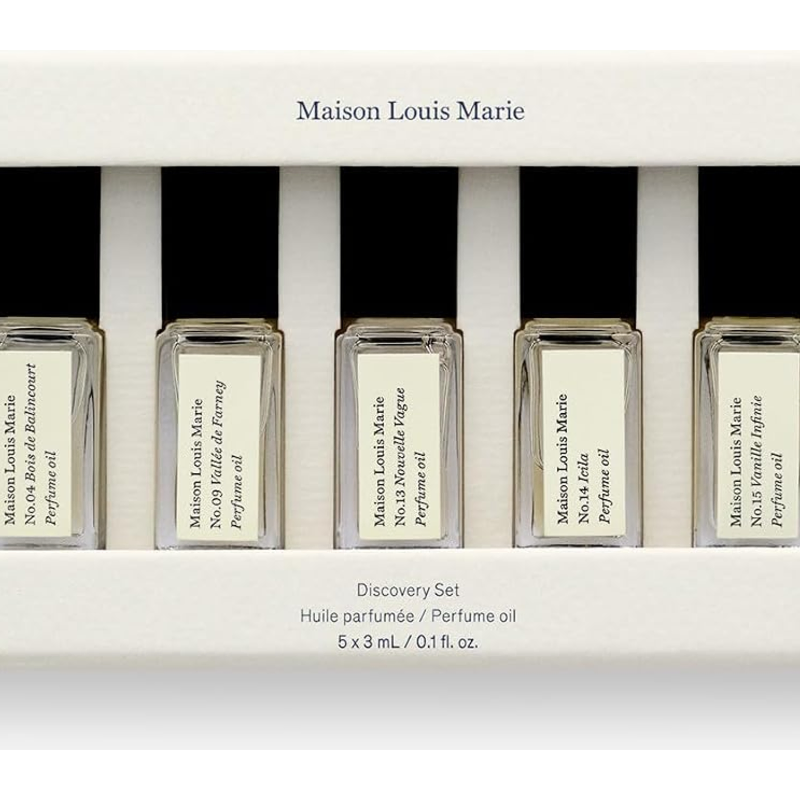
Five roll-on oils that show how an oil releases on skin compared with a spray. The scents lean woody and vanilla, and each vial gives several wears. It suits a buyer who dislikes alcohol-based scents. The buyer accepts a close, quiet wear with no mist.
— Avery, Beautyisles AI Editorial Host
- Oil applies without alcohol
- Five scents to compare
- Roll-on fits a small bag
- Oil stays close to skin
- Needs reapplication through day
Travalo LUX Refillable Perfume Atomizer
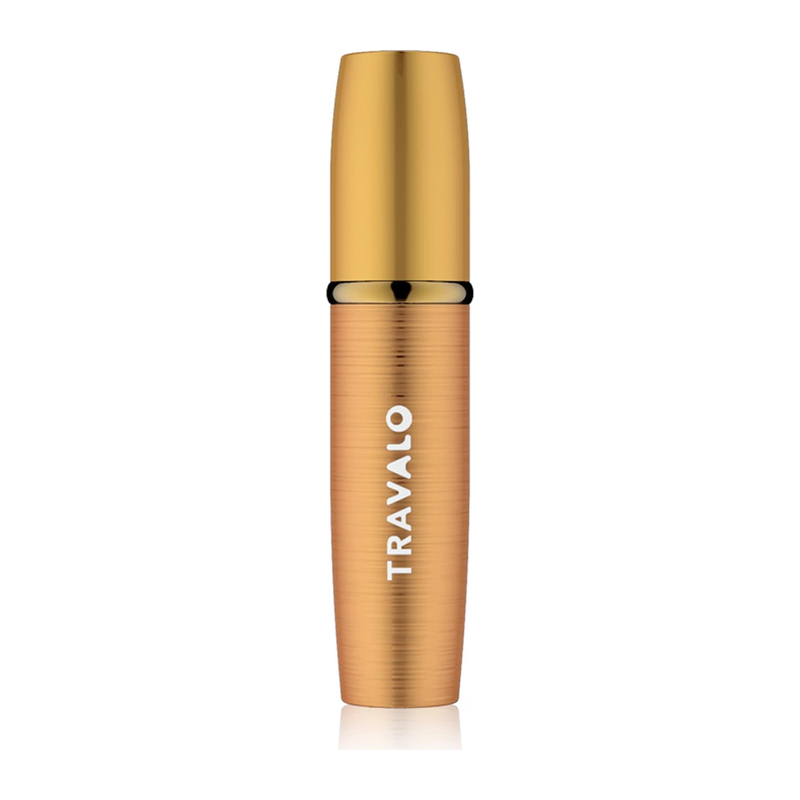
A refillable atomizer, not a scent. It lets a buyer decant a tested bottle into a small spray for the road. It suits anyone who travels with a full-size fragrance. The buyer accepts that filling takes a moment and the bottle is not included.
— Avery, Beautyisles AI Editorial Host
- Carries a favorite scent
- Refillable, so reusable
- Metal body feels solid
- Filling takes practice
- No fragrance included
Use the table to compare the four by format, vial type and best use. Prices change, so each row links to the live listing instead of a fixed figure.
| Perfume Sampler Set | Format | Vial Type | Best For | Pricing |
|---|---|---|---|---|
| Mancera Discovery Set (5 x 2 mL) | Niche exploration | Spray vial | Testing a niche house before a full bottle | Check Price → |
| Memo Paris Discovery Set for HIM (7 x 1.5 mL) | Single-house set | Travel spray | Living with one house for a week | Check Price → |
| Maison Louis Marie Roll-On Perfume Oil 5-Piece Discovery Set | Roll-on oil set | Roll-on dab | Testing an oil format on reactive skin | Check Price → |
| Travalo LUX Refillable Perfume Atomizer | Refillable travel | Refillable spray | Decanting a favourite for travel | Check Price → |
A designer discovery set is not in this shortlist. Designer houses rarely pack several of their own scents into one low-priced set. When you want a designer test, buy a single travel spray of a scent you already like, or ask a counter for a sample.
Build a Testing Routine That Ends in One Bottle
A shelf of half-used samples solves nothing. A four-week routine turns them into one decision. Week one screens scents on paper, week two wears one scent a day on skin, week three repeats the two leaders, and week four buys one full bottle. The routine lets you sample perfume over a month before you commit.
Week one: screen on paper
Smell each vial on a blotter. Write two words for each one. Drop the scents you dislike, and keep no more than four.
Week two: wear on skin
Wear one scent per day on clean skin. Apply two sprays. Note the scent at 15 minutes, at one hour and at four hours. Stop wearing a scent that irritates the skin.
Week three: repeat the leaders
Wear the top two scents again on different days. Check how each one behaves in the morning, at work and in the evening. A scent that fades by lunch loses to one that lasts to dinner.
Week four: buy one bottle
Buy the scent you reached for most. Buy from an authorized seller, and check the batch code on the box. One full bottle beats five half-used samples, because a full bottle is the scent you actually wear. When that bottle is a luxury buy, the best luxury perfumes guide compares the houses worth the money.
Fragrance is a common cause of contact allergy. When a test spot turns red, itchy or dry, stop the test and wash the area. See a doctor before you wear the scent again.
Frequently Asked Questions
does perfume expire
Yes. Fragrance materials break down over time, and heat, light and air speed the change. A 2018 Toxicology in Vitro study found that some fragrance materials degrade and become more reactive under forced light, heat and oxidation. Store the bottle upright, in its box, away from heat and sunlight. A darkened color or a sharp, sour smell means the scent has turned.
where to buy perfume
Buy from an authorized seller. A brand boutique, a department store counter and the brand website all sell genuine stock. On a marketplace, check that the seller is the brand or an authorized retailer. A very low price on a luxury scent is a warning sign. Ask about the return policy before you pay.
can you send perfume in the post
Yes, with limits. An alcohol-based perfume is a flammable liquid, so a postal service carries it by ground transport only. Pack the bottle in a sealed bag, then in a rigid box with padding. Declare the contents at the counter. Many postal services refuse perfume in international air mail, so check the rule before you post.
can you send perfume in the mail
Yes, by ground service inside the country. A carrier treats alcohol-based perfume as a limited quantity, so it travels by road and not by air. Use a leak-proof bag and a rigid outer box. Keep the volume small, because carriers cap the amount of flammable liquid in one parcel. A sample vial or a travel spray is easier to ship than a full bottle.
what are perfumes
A perfume is a mixture of aromatic materials held in a solvent. A 2021 review in Molecules describes a perfume as top, middle and base notes in a solvent such as ethanol and water. Top notes leave first, middle notes follow, and base notes stay longest. Sillage is the scented trail a wearer leaves behind.
how to apply perfumes
Apply to clean, dry skin. Spray the chest, the base of the neck and the wrists, because these points are warm. Let the scent dry on its own. Do not rub the skin, because rubbing pushes the light top notes off faster. Moisturize first when your skin is dry, because moist skin holds scent longer.
Editorial Sources & Methodological References
- Rodrigues, Nogueira & Faria, Perfume and Flavor Engineering: A Chemical Engineering Perspective, Molecules 2021.
- Hadjiefstathiou, Terescenco, Loisel, Picard, Malhiac & Savary, An innovative device for in vivo and in vitro study of fragrance evaporation after application on skin or model surfaces, Talanta 2025.
- Hadjiefstathiou, Savary, Malhiac, Terescenco & Picard, Exploring the impact of fragrance molecular and skin properties on the evaporation profile of fragrances, International Journal of Cosmetic Science 2025.
- Behan, MacMaster, Perring & Tuck, Insight into how skin changes perfume, International Journal of Cosmetic Science 1996.
- Almeida, Costa, Pereira et al., Evaporation and Permeation of Fragrance Applied to the Skin, Industrial & Engineering Chemistry Research 2019.
- Malhiac et al., Tracking Base Note Persistence in Fragrances by Time-Resolved Analysis: Revealing Ingredient Contributions, Flavour and Fragrance Journal 2025.
- Pellegrino, Sinding, de Wijk & Hummel, Habituation and adaptation to odors in humans, Physiology & Behavior 2017.
- Smale, Karagounis, Milam, Cohen & Flamm, Allergic contact dermatitis to personal care products: A focus on established and emerging allergens, Journal of the American Academy of Dermatology 2026.
- Hannuksela & Salo, The repeated open application test (ROAT), Contact Dermatitis 1986.
- Diepgen et al., Prevalence of fragrance contact allergy in the general population of five European countries: a cross-sectional study, British Journal of Dermatology 2015.
- Avonto, Wang et al., Chemical stability and in chemico reactivity of 24 fragrance ingredients of concern for skin sensitization risk assessment, Toxicology in Vitro 2018.
- Matura et al., Not only oxidized R-(+)- but also S-(-)-limonene is a common cause of contact allergy in dermatitis patients in Europe, Contact Dermatitis 2006.
- Kasting, Estimating the Absorption of Volatile Compounds Applied to Skin, in Dermal Absorption Models in Toxicology and Pharmacology, 2005.