

- A skin tightening device works by heating the dermis. Collagen fibers shorten when tissue reaches about 40°C to 43°C, and the repair response that follows takes 90 to 180 days to show.
- Radiofrequency and microcurrent are different tools. Radiofrequency delivers heat into deeper skin. Microcurrent delivers a current so small you cannot feel it, and its visible effect is mostly muscle tone and fluid movement.
- No handheld unit reaches the SMAS layer. That is the deep sheet of tissue a surgeon lifts during a facelift, and no consumer device changes its position.
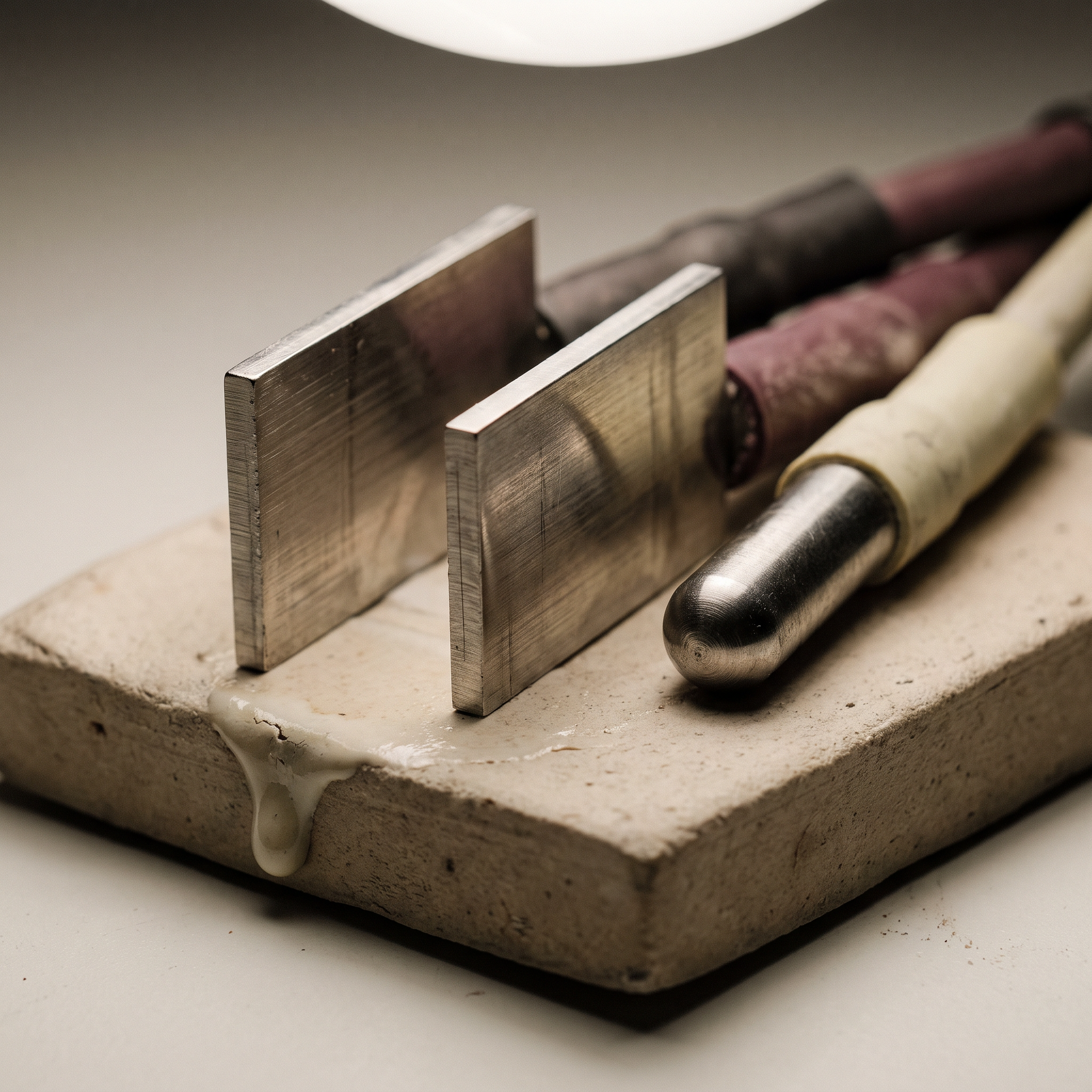
- Contact geometry decides whether energy arrives. Two electrodes must sit on skin with a conductive medium between them, or the current takes the shortest path and stalls.
- Expect a slower curve, not a jump. Home devices report small measured improvements over 12 weeks. Clinical systems deliver more energy under supervision.
- Do not use an electrical device on your face if you are pregnant. Do not use one if you have a cardiac pacemaker, an implantable defibrillator, or metal plates in the treatment path.
What a Skin Tightening Device Combines
Search for a skin tightening device and the results mix three unrelated machines. They share a marketing word. They do not share a mechanism.
Radiofrequency (RF) passes alternating current through tissue. Tissue resists that current, and resistance produces heat. The heat is the treatment. Dermal collagen fibers contract when the tissue reaches roughly 40°C to 43°C, and the wound-healing cascade that follows builds new collagen over months. A single session does not produce the result. The months after it do.
Microcurrent delivers current in the range of 10 to 500 microamperes, which is below the level that triggers a nerve. That is why a well-set microcurrent device feels like nothing at all. Published laboratory work on cells in culture showed that this kind of current raises the energy currency cells use, called ATP, and increases protein manufacture. In a face, the visible change over days is tighter-looking muscle tone and better fluid drainage, not new collagen in bulk.
Ultrasound and radiofrequency hybrids sit in a third group. These are the devices that reach deeper, and the ones with the least home-use margin for error. A high frequency facial wand is also sold as a tightening tool, and it works on a different principle again.
Buy on the mechanism, not on the adjective. Our wider beauty tools guide sorts the whole category the same way. If a product page never names which of these it uses, you cannot judge what it will do to your skin. If a product page never names which of these it uses, you cannot judge what it will do to your skin.
What Heat Actually Does Inside the Dermis
The dermis is a mesh. Two fibers carry the load. Collagen gives structure, and elastin lets skin snap back. Both are made by cells called fibroblasts, and both decline with age and with ultraviolet exposure.
Ultraviolet light is the larger factor. Researchers compared sun-exposed skin with unexposed skin. Repeated UV exposure switched on the enzymes that break collagen down. a topical retinoid switched that program back off. That is why the cheapest effective tightening protocol remains daily sunscreen and a retinoid, and why no device replaces either.
Heat changes the picture for a different reason. in a laboratory sample, collagen shrinks and thickens past about 60°C. Living skin is not a test tube. Surface tissue burns long before the deeper mesh reaches that temperature. So home devices work cooler and deeper, in the 40°C to 43°C band. You keep the head moving instead of holding it still.
Heat shock proteins carry the signal. Cells produce HSP47 and HSP70 when heat stresses the tissue. They are why controlled heat triggers remodeling instead of scarring. Studies of radiofrequency and ultrasound in aged skin measured faster turnover of extracellular matrix components after controlled heating.
Timelines follow from that biology. Randomised and split-face trials of home radiofrequency report measurable wrinkle reduction at 12 weeks. Dermal remodeling in general runs 90 to 180 days. Anyone selling you a lifting effect after one session is describing swelling or muscle change, not collagen.
Why No Handheld Device Repeats a Facelift
This category uses the word “facelift” loosely. Sellers market these handpieces as facelift machines. A listing that says facelift machine or facelift tool uses a surgical word for a surface treatment. Be exact about what a surgical lift does. Facial sagging is not one event. Fat sits in sealed compartments over the cheek, temple and jaw. Those compartments descend at different rates. Retaining ligaments, which anchor skin to the deeper tissue, loosen with age. Beneath all of that, the facial skeleton resorbs and loses support.
Surgical anatomy work on the ageing mid-face describes this layered descent precisely, and the operation that corrects it addresses the SMAS layer. SMAS is the superficial musculoaponeurotic system, the fibrous sheet that sits over the parotid gland and continues over the temple and forehead. A surgeon repositions it. Nothing in a home device can reach it, let alone lift it.
A lifted jawline in a device advertisement is usually the result of head position, lighting, weight change or a different treatment. Compare the hairline, the ear position and the neck angle. If those change between the two frames, the comparison is not showing you the device.
A home device improves the quality of the covering. It refines texture, raises tone in the superficial muscle, and adds modest firmness measured in millimeters of skin stretch. On a face whose problem is a heavy descended fat pad, that improvement is real but small. On a face whose problem is sun-damaged dermis, the same device does more.
Microcurrent: Tone and Drainage, Not Remodelling
Sellers often market microcurrent devices as radiofrequency. They are not the same tool, and that difference explains most disappointed reviews.
Current at microamperes does not heat tissue to a therapeutic temperature. Its measurable effects are cellular and muscular. Cells in culture exposed to this current range showed increased ATP production and increased protein synthesis. On a face, the mimetic muscles, the muscles that express emotion, sit immediately under the fat. Changing their resting tone changes the contour of the soft tissue above them.
The second effect is fluid. Lymphatic disease research describes how poorly mobile lymphatic fluid produces visible swelling. A session that moves fluid off the face reduces puffiness and sharpens the jaw for a day or two. A galvanic facial machine sits between these two, using direct current at a much lower intensity. Users call this a “snatched” look. It is drainage. It is not fat loss, and it does not accumulate into a permanent lift.
Clinical evaluation of microcurrent on facial wrinkles found modest improvement. That is the honest summary. It is an upkeep tool with a fast, temporary payoff. A face sculpting device that only moves fluid is a different tool. Use it on the days you need to look rested. If you want the best at home rf device, judge it by a published 12-week trial. Radiofrequency is the technology with the stronger published base for collagen change over six months.
The Hardware Decisions That Decide Results
Once you have chosen a mechanism, the specification list matters more than the finish of the plastic. Four variables control whether energy reaches tissue.
Electrode arrangement. Monopolar designs push current from a small head to a distant plate, which spreads the path. Bipolar designs put both electrodes in the head, so current crosses the tissue between them. Multipolar and phase-controlled designs use several electrode pairs. They steer the peaks of energy deeper. That is how the clinically tested home RF systems reach the reticular dermis at up to about 3 millimeters.
Frequency. Home RF units typically run near 1 MHz. At that range, current passes through tissue resistance rather than charging the skin surface, which is what makes continuous movement tolerable.
Contact and medium. A conductive gel is not packaging. Dry skin has high electrical resistance, so a dry head stalls the current and drags. The layer must stay slippery for the whole pass.
Thermal control. Look for an automatic cutoff or a regulated output. Tissue damage at home comes from holding a moving head still in one spot. So keep the head moving. Never stack passes on one area to chase a hotter feeling.

A named trial, a stated energy frequency and a published treatment schedule. If a brand can quote a 12-week study with an author list and a journal, it has tested the device. If it can only quote a percentage of “ Users agreed” gathered in its own panel, that number is marketing.
Safety Limits, Skin of Color and Cleaning
Do not use an electrical or radiofrequency device on your face if you are pregnant. Do not use one if you have a cardiac pacemaker or an implantable defibrillator. Do not use one if metal implants, plates or screws sit in the treatment path. Do not use one over active infection, unhealed wounds, severe acne, or sunburned skin. If you take a medicine that makes skin react to light, or you have a connective tissue disease, ask a clinician before you start.
Darker skin carries a specific risk. Any injury to the dermis can trigger post-inflammatory hyperpigmentation, which is excess pigment left behind after inflammation. This is more likely in Fitzpatrick types V and VI, and more likely after an aggressive schedule. If you have deeper skin, start at the lowest setting, keep the movement continuous, and treat less often rather than more.
Cleaning follows published disinfection practice. Wipe the head with 70% isopropyl alcohol before and after every use, with two minutes of visible wet time on the surface. Never submerge the handpiece. Do not share an electrode head between people. a facial device touches skin with tiny breaks in it.

If you use a retinoid or an acid, do not treat immediately after application. Apply the device on clean skin with conductive gel, then use your actives separately, on other evenings if your skin is reactive.
The Verified Edit
NEWA RF Wrinkle Reduction Device (Plug in) – FDA Cleared Skincare Tool for Facial Tightening. Boosts Collagen, Reduces Wrinkles. with 1 Month Gel Supply.
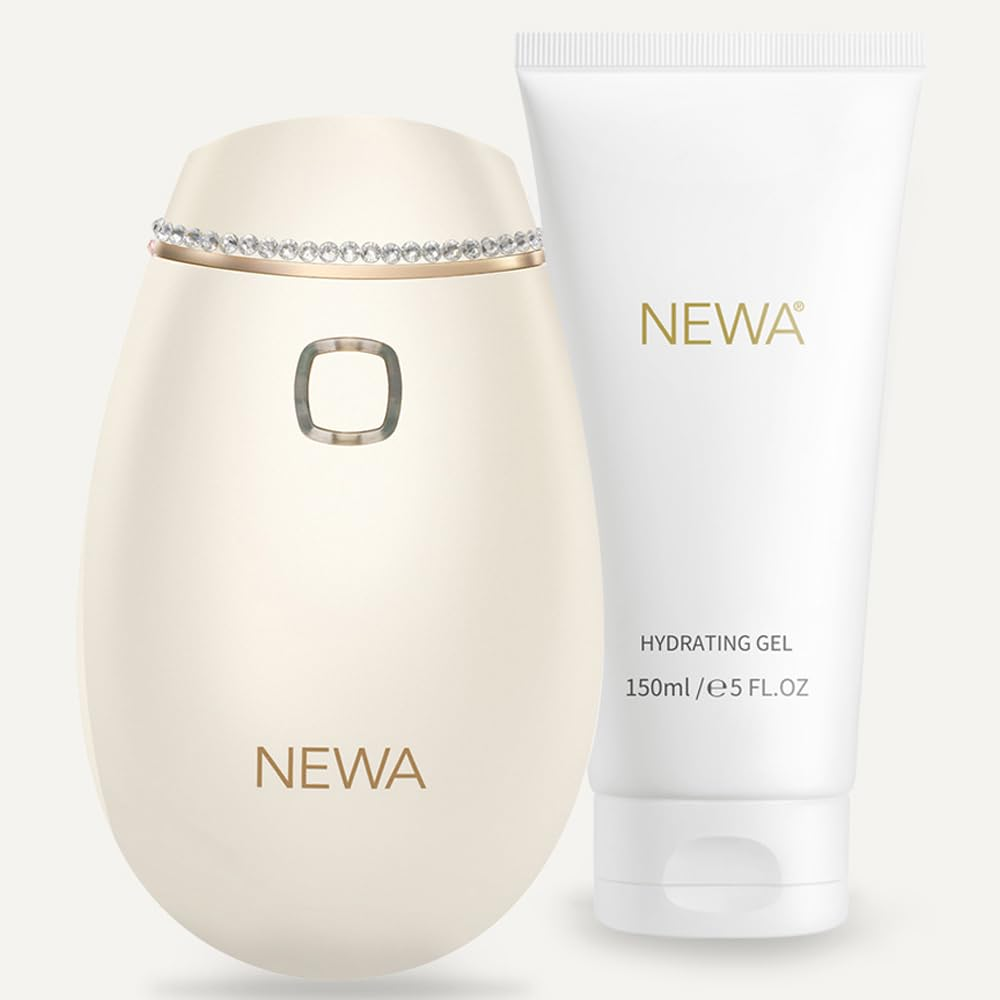
NEWA is the at-home monopolar RF device with the clearest clinical record. It heats the dermis to stimulate collagen, and the plug-in body holds that temperature for the full four-minute cycle.
Avery, Beautyisles Editorial Producer
- Published clinical testing on a defined age range, not just user reports
- Mains powered, so output does not fade as a battery drains
- Both electrodes stay on the skin, which is the step people skip
- The cord limits where you can sit during a treatment
- Needs its own conductive gel for the current to travel
Skin Tightening Device | 6 in 1 Radio Frequency Skin Tightening Device | Professional Face Tightening | Face Lift | Wrinkle Reduce | Depuff | Absorb | Skin Care | Home RF Anti Aging Face Beauty Device
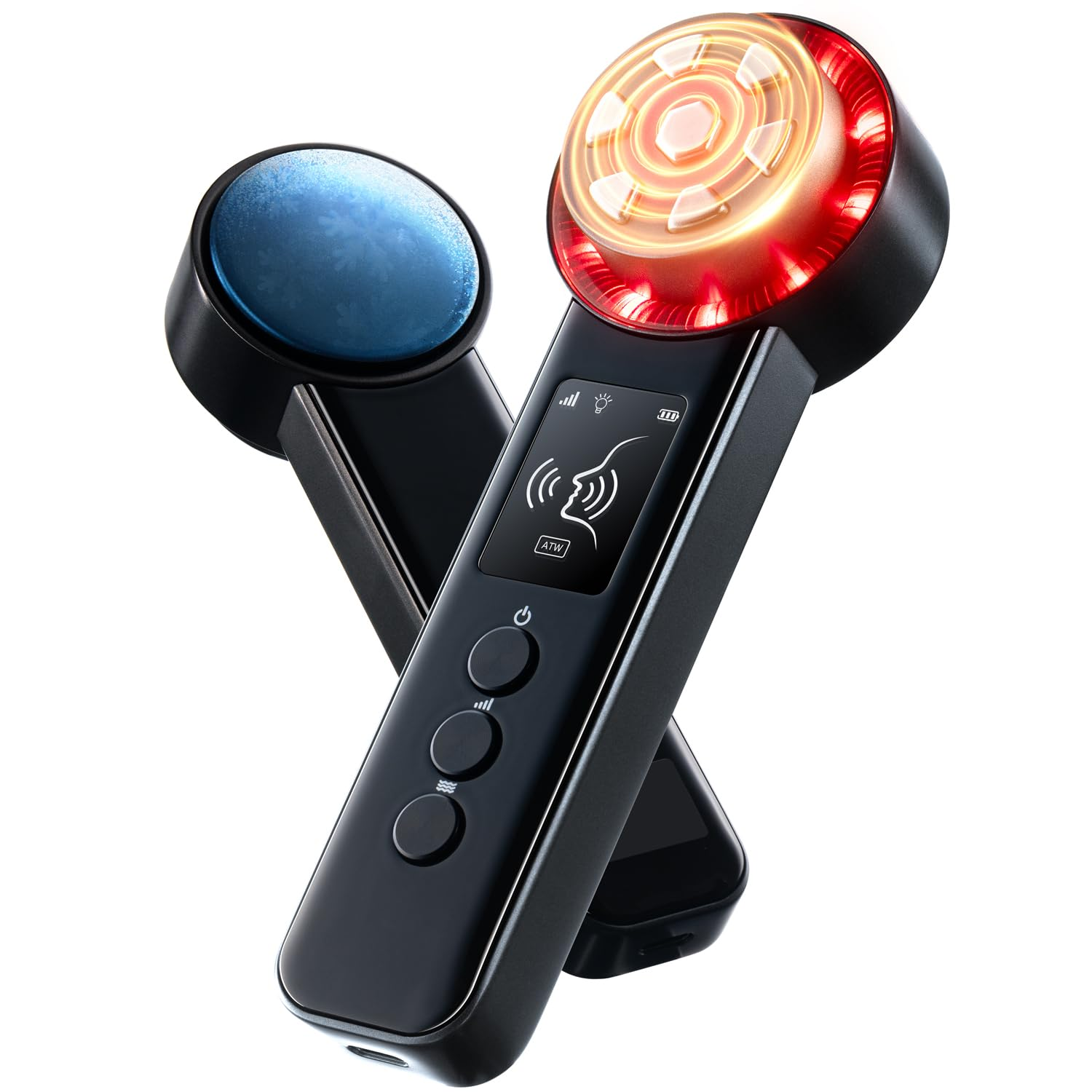
One head carries RF, microcurrent, cooling and heating, so you can run a contour routine without three devices on the shelf. The built-in timer stops you over-treating one area.
Avery, Beautyisles Editorial Producer
- Six modes cover depuffing, warming and stimulation in one tool
- Rechargeable body works across the face, jaw and neck
- Automatic timer keeps each zone inside a safe session
- No published clinical study sits behind this specific device
- Cooling and heating modes use the back of the head, so you must flip it
Absonic Conductive Gel for Ultrasound, Cavitation, Microcurrent, RF, TENS & EMS Devices – 2-Pack (17 oz Total) – Water-Based, Paraben-Free – Designed in France
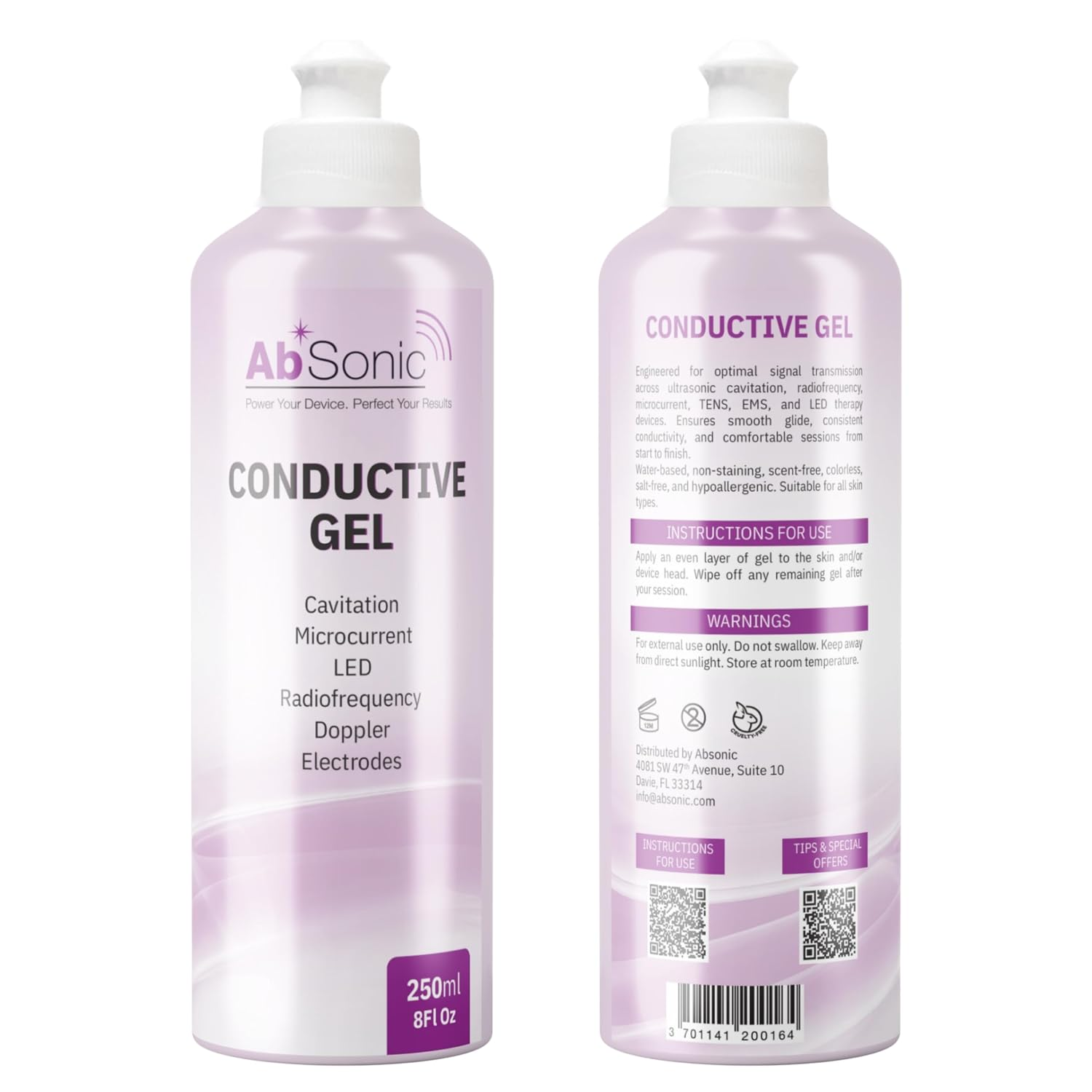
Radio frequency and microcurrent both need a conductive path, and dry skin gives you hot spots instead. This water-based gel carries the current and wipes off without staining a towel.
Avery, Beautyisles Editorial Producer
- One gel suits RF, microcurrent, TENS and ultrasound handpieces
- Two 250 ml bottles cover many sessions at a low cost per use
- No fragrance or parabens in the formula
- The gel dries sticky, so a damp cloth is needed between zones
- A thick reservoir cools the skin, which can blunt the warming sensation
Comparison Table
| Device | Mechanism | Depth Target | Session Time | Best For | Pricing |
|---|---|---|---|---|---|
| NEWA RF handpiece | Monopolar radio frequency, mains powered | Dermal collagen layer | About 4 minutes per area | Clinically tested facial firming | Check Price → |
| ALUSHEE 6-in-1 device | Bipolar RF with microcurrent, cooling and warming | Upper dermis and superficial muscle | About 10 minutes on an auto timer | Budget contouring and depuffing | Check Price → |
| Absonic conductive gel | Water-based conductive medium | Surface coupling only | Used with every session | Carrying current from any RF or microcurrent head | Check Price → |
Frequently Asked Questions
How to naturally tighten facial skin?
Start with the causes you can control. Daily broad-spectrum sunscreen limits the UV-driven enzymes that break collagen down. A nightly retinoid raises collagen synthesis in measured studies. L-ascorbic acid applied topically has published percutaneous absorption data supporting its use as an antioxidant in the dermis. Maintain body weight, because repeated stretching and deflating damages elastin. Then add a physical modality: radiofrequency for dermal heating, microcurrent for muscle tone. Nothing in that list works in weeks, which is why most people abandon it.
What to do for crepey skin?
Crepey texture comes from thinning of the dermis and fragmentation of elastin, mostly from ultraviolet exposure and age. Treat the dryness first with a humectant and an occlusive, because hydrated surface skin reads smoother immediately. Then use a retinoid nightly for the long-term collagen effect. Radiofrequency can add dermal thickening over months. Do not expect a device to repair skin thinned by long-term steroid use, which is a different condition and needs a clinician.
How to get rid of facial jowls?
Jowls are the descent of cheek fat below the jawline, driven by loosening retaining ligaments and bone loss, not by loose surface skin. A skin tightening device improves skin quality, so it can soften the edge of the jaw. It cannot reposition a descended fat pad. Weight change, dental health and sleep position also change how the jawline reads. If the jowl is structural, the honest options are procedural, and they belong in a consultation rather than in a shopping cart.
What to do with excess skin after weight loss?
Skin stretched for a long period undergoes plastic deformation, which means it does not return to its previous length. Elastin fracture does not reverse with heat, and trials of abdominal skin after bariatric surgery describe persistent changes in collagen and elastin content. Time helps modestly, and retinoids, sun protection and radiofrequency improve quality and texture. When the excess is a hanging fold, excision is the only removal. Set your expectation accordingly before you spend on a device.
How to slim your face?
Face width has four separate causes. Masseter muscle overgrowth from clenching, buccal fat pads, subcutaneous fat across the face, and fluid stasis. A device changes only the last two, and the effect on fluid is temporary. Fat loss requires an overall calorie deficit, which you cannot direct at the face. If the cause is muscle, bruxism is a dental problem. Microcurrent gives the fastest visible narrowing, because it moves fluid and raises tone for a day or two.
How to tighten your skin on face?
Use a schedule rather than a single expensive tool. Ten minutes of radiofrequency two or three times a week for twelve weeks, always on clean skin with conductive gel and continuous movement. Microcurrent on the days you need visible contour. A nightly retinoid and daily sunscreen as the base. Photograph your face in the same light at week 0, week 6 and week 12. The change is too slow to see in a mirror.
Editorial Sources
- Fisher GJ, Datta SC, Talwar HS, et al. Molecular basis of sun-induced premature skin ageing and retinoid antagonism. Nature. 1996;379(6563):335-339. PMID: 8552187. DOI: 10.1038/379335a0.
- Fisher GJ, Wang ZQ, Varani J, Datta SC, Kang S, Voorhees JJ. Pathophysiology of premature skin aging induced by ultraviolet light. New England Journal of Medicine. 1997;337(21):1419-1428. PMID: 9358139. DOI: 10.1056/NEJM199711133372003.
- Lolis MS, Goldberg DJ. Radiofrequency in cosmetic dermatology: a review. Dermatologic Surgery. 2012;38(11):1765-1776. PMID: 22913399. DOI: 10.1111/j.1524-4725.2012.02547.x.
- Sadick NS, Harth Y. A 12-week clinical and instrumental study evaluating the efficacy of a multisource radiofrequency home-use device for wrinkle reduction. Journal of Cosmetic Dermatology. 2016. PMID: 27351303. DOI: 10.1080/14764172.2016.1202419.
- Shemer A, Levy H, Sadick NS, Harth Y, Dorizas AS. Home-based wrinkle reduction using a novel handheld multisource phase-controlled radiofrequency device. Journal of Drugs in Dermatology. 2014. PMID: 25607700.
- Shu X, et al. Effectiveness of a radiofrequency device for rejuvenation of aged skin at home: a randomized split-face clinical trial. Dermatology and Therapy. 2022. PMID: 35249173. DOI: 10.1007/s13555-022-00697-y.
- Kim J, et al. Effects of radiofrequency and ultrasound on the turnover rate of skin aging components via heat shock proteins. International Journal of Molecular Sciences. 2020.
- Cheng N, Van Hoof H, Bockx E, et al. The effects of electric currents on ATP generation, protein synthesis, and membrane transport of rat skin. Clinical Orthopaedics and Related Research. 1982. PMID: 7140077.
- Saniee F, Khademi Kalantari K, Yazdanpanah P, Rezasoltani A, Dabiri N, Ghafarian Shirazi HR. The effect of microcurrents on facial wrinkles. Life Science Journal. 2012.
- Mendelson BC, Wong CH. Changes in the Facial Skeleton With Aging: Implications and Clinical Applications. Clinics in Plastic Surgery. 2012;39(4):355-368. PMID: 32844267. DOI: 10.1007/s00266-020-01823-x.
- Rohrich RJ, Pessa JE. The fat compartments of the face: anatomy and clinical implications for cosmetic surgery. Plastic and Reconstructive Surgery. 2007;119(7):2192-2200. PMID: 18317161. DOI: 10.1097/01.prs.0000299635.55815.2e.
- Wong CH, Mendelson B. Facial soft-tissue spaces and retaining ligaments of the face: integrating them into everyday clinical practice. Facial Plastic Surgery. 2013.
- Pinnell SR, Yang H, Omar M, et al. Topical L-ascorbic acid: percutaneous absorption studies. Dermatologic Surgery. 2001;27(4):309-312. PMID: 11207686. DOI: 10.1046/j.1524-4725.2001.00264.x.
- Orpheu SC, Coltro PS, Bandeira de Oliveira MP, et al. Collagen and elastic content of abdominal skin after surgical weight loss. Obesity Surgery. 2010. PMID: 19937152. DOI: 10.1007/s11695-009-0019-0.
- Pascoal MPE, Gomez DS, Gemperli R, Ferreira MC. Effect of weight loss after bariatric surgery on skin and the extracellular matrix. Plastic and Reconstructive Surgery. 2010. PMID: 20048625. DOI: 10.1097/PRS.0b013e3181c2a657.
- Kaya G, Saurat JH. Dermatoporosis: a chronic cutaneous insufficiency/fragility syndrome. Dermatology. 2007;215(4):284-294.
- Mortimer PS, Rockson SG. New developments in clinical aspects of lymphatic disease. Journal of Clinical Investigation. 2014;124(3):915-921. PMID: 24590276. DOI: 10.1172/JCI71608.
- Rutala WA, Weber DJ, Healthcare Infection Control Practices Advisory Committee. Guideline for Disinfection and Sterilization in Healthcare Facilities. Centers for Disease Control and Prevention. 2008.
- Zhang Y, et al. Development of home beauty devices for facial rejuvenation: establishment of an efficacy evaluation system. Clinical, Cosmetic and Investigational Dermatology. 2024. PMID: 38476342. DOI: 10.2147/CCID.S449599.
- Whitney ZB, Jain M, Zito PM. Anatomy, Skin, Superficial Musculoaponeurotic System (SMAS) Fascia. StatPearls [Internet]. Treasure Island (FL): StatPearls Publishing; 2023. PMID: 30085556.