- Pre-Swim Tap Water Saturation: Dry hair absorbs up to 30 percent of its weight in water. Saturating strands with clean tap water blocks pool chemicals from soaking into the hair core.
- Copper Ion Oxidation: Oxidized copper from pool pipes and algicides turns hair green. Chlorine oxidizes the copper, which then binds to damaged keratin.
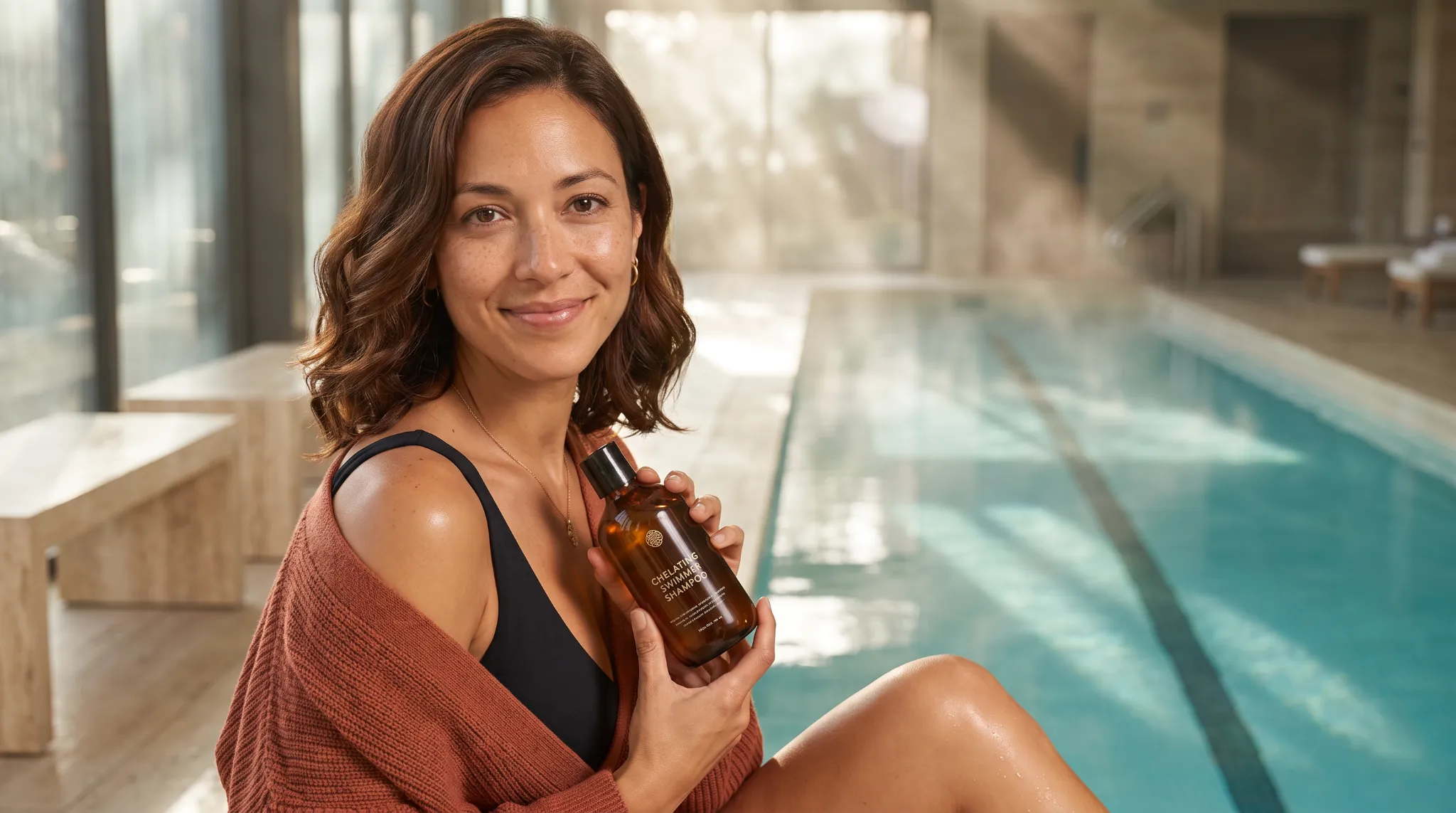
- Chelating Wash vs Clarifying Cleanser: Standard shampoos cannot remove bound copper or chloramines. Use a chelating cleanser containing EDTA or ascorbic acid after swimming.
- Bubble Hair Prevention: Wet, porous swimmer hair has a lower heat tolerance. Never use high heat on dripping wet strands. Air-dry to 80 percent before styling.
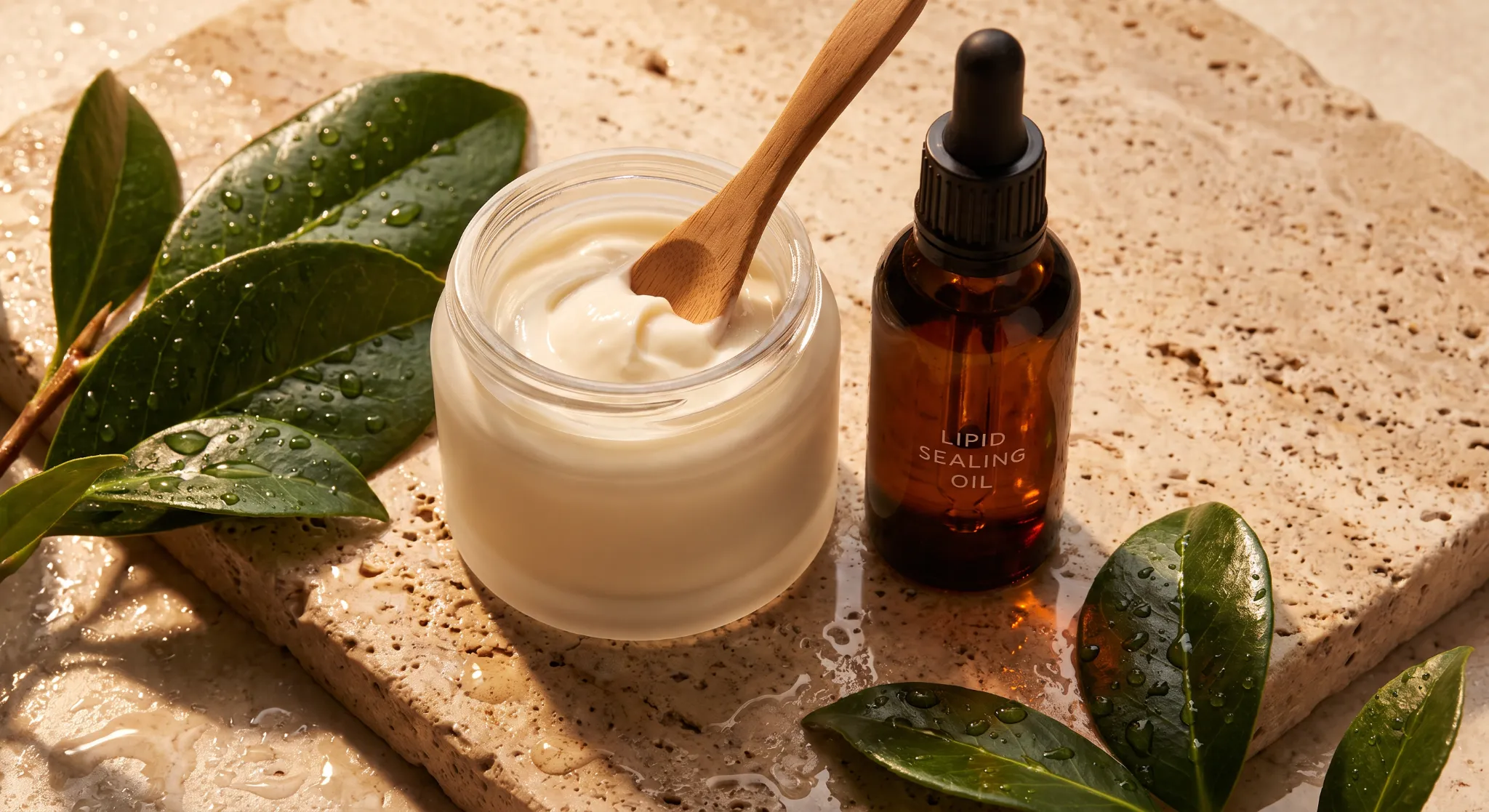
- Lipid and Peptide Replenishment: Chlorine dissolves surface fatty acids. Restore the outer barrier with leave-in lipid creams and biomimetic peptide treatments.
Swimming is one of the best full-body workouts, but chlorinated pool water is hard on hair. Good hair care for swimmers starts with the warning signs: straw-like texture, a matte finish, stubborn knots, and a green tint on light strands. These symptoms come from chemical reactions inside the hair shaft. Pool sanitizers strip natural protective oils and break down structural proteins.
Mastering swimmer hair care requires understanding how chlorine and pool minerals interact with keratin. With the right pre-swim barrier, targeted post-swim chelating washes, and controlled thermal styling, you can preserve strong, vibrant hair. If you want detailed reviews of heated styling tools, read our guide to the best blow dryer brushes. If you want rounded volume and curl definition on fragile ends, explore our analysis of hot air curling brushes. If you travel frequently or pack a gym kit, review our guide to travel hair dryer brushes. This guide to swimming hair care breaks down pool chemistry, green hair removal, and the best hair care products for swimmers.
Biochemical Breakdown: Why Hair Care for Swimmers Starts With Chlorine Science
Human hair consists of 85 to 90 percent keratin protein. These protein chains remain bound together through strong chemical bridges called disulfide bonds. The outermost layer of each hair strand is the cuticle. The cuticle features overlapping scales covered by an ultra-thin lipid film called the epicuticle.
When chlorine gas dissolves in pool water, it forms hypochlorous acid (HOCl). Hypochlorous acid is a neutral, fast-penetrating oxidizer. It slips past raised cuticle scales and enters the inner cortex. Once inside, it oxidizes cystine amino acids into cysteic acid, permanently severing structural bonds.
Free Chlorine vs Chloramines
Pool water contains two main types of chlorine compounds: free chlorine and chloramines. Free chlorine consists of hypochlorous acid and hypochlorite ions. These active agents disinfect pool water by oxidizing organic matter.
When free chlorine reacts with sweat, skin oils, and shed skin cells, it forms chloramines. Chloramines produce the strong chemical smell associated with indoor public pools. Chloramines cling tenaciously to hair fibers. They continue oxidizing keratin long after you step out of the locker room shower. This continuous oxidation causes dullness, brittleness, and split ends.
18-MEA Lipid Stripping and Porosity
Virgin hair cuticles repel water because they carry an external fatty acid coating known as 18-methyleicosanoic acid (18-MEA). This lipid layer forms a waterproof shield that keeps moisture inside the cortex and keeps outside water out.
Chlorine oxidizes and breaks the chemical bonds that anchor 18-MEA to surface proteins. Losing this fatty acid shield transforms hair from hydrophobic (water-repelling) to hydrophilic (water-absorbing). Hydrophilic hair absorbs chlorinated pool water like a sponge. As a result, cuticles lift, friction increases, and strands tangle into unmanageable knots during washing.
The True Cause of “Green Pool Hair”: Copper Oxidation
A common myth claims that chlorine dyes blonde hair green. In reality, elemental chlorine is a pale yellow gas with no green pigment. Oxidized copper ions cause the green hue.
Copper enters pool water through copper-based algicides, corroded plumbing pipes, and municipal water supplies. Free chlorine oxidizes this dissolved copper into cupric ions (Cu2+). Cupric ions have a vivid turquoise-green hue. They bind directly to damaged protein sites in porous hair.
Why Bleached and Light Hair Turns Green Faster
Dark hair contains high amounts of eumelanin pigment. This dark pigment masks copper stains. Light blonde, gray, bleached, and highlighted strands lack dark eumelanin, so green copper deposits show through clearly.
Chemical bleaching also strips natural melanin and breaks disulfide bonds. This process leaves behind negatively charged sulfonic acid sites along the protein chain. Positively charged copper ions bond tightly to these negative sites. Once copper locks into the protein matrix, standard shampoos cannot wash it away. You need a targeted swimmers hair treatment formulated with chelating agents to dissolve the bond.
The 4-Step Swimmer Hair Defense Protocol
Strong swimmers hair care is mostly about timing. Protect your hair before, during, and after every swim with this four-step defense protocol.
Step 1: Fresh Water Saturation and Pre-Swim Barriers
Dry hair behaves like a dry sponge. If you enter a chlorinated pool with dry hair, your strands absorb pool water immediately. Dry hair absorbs up to 30 percent of its weight in liquid.
Before entering the pool deck, rinse your hair thoroughly under a clean tap water shower. Saturating your hair with clean water fills the internal spaces between cortex cells. When you dive into the pool, your hair cannot absorb substantial amounts of chlorinated water. After rinsing, apply a quarter-sized amount of a water-resistant pre-swim conditioner. Formulations containing dimethicone and plant oils coat cuticles, forming an extra physical barrier against harsh pool chemicals.
Step 2: Swim Cap Selection and Long Hair Technique
A high-quality swim cap serves as your primary mechanical shield. Choose silicone caps rather than latex options. Silicone is thicker, gentler on skin, and resists chlorine breakdown. Latex caps create high surface friction that snags fragile hairline strands.
If you have long hair, follow this simple technique to prevent pulling:
- Dampen hair with clean tap water and apply a dime-sized amount of leave-in conditioner for slip.
- Gather your hair into a low, loose twist at the nape of your neck. Avoid using metal clips or tight rubber elastic bands that cause mechanical snapping.
- Place both hands inside the silicone cap with palms facing outward. Stretch the cap wide.
- Anchor the front edge against your forehead, pull the cap back over your crown, and tuck the twist inside.
- Smooth the rim flat against your skin to minimize pool water seepage.
Step 3: Post-Swim Chelating Cleansing
As soon as you exit the pool, head straight to the showers. Never allow chlorinated pool water to dry into your hair. When pool water evaporates, chlorine and minerals concentrate on your cuticles, intensifying oxidative damage.
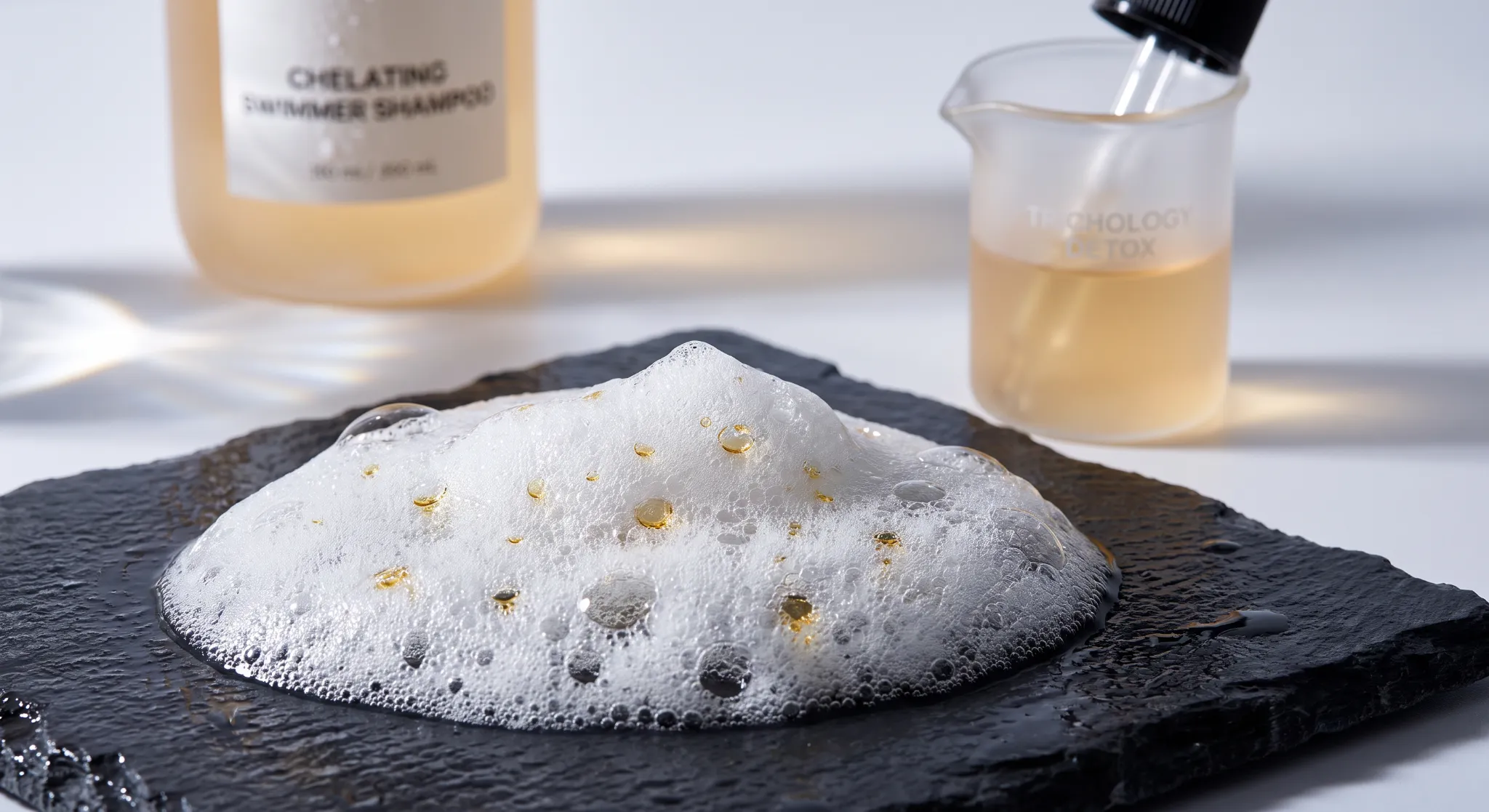
Wash your hair with a specialized swimmers shampoo. A dedicated swim shampoo such as TRISWIM shampoo is built for this job. Standard clarifying cleansers remove surface oils and silicone polymers, but they cannot lift bound minerals. Chelating shampoos contain ligands such as tetrasodium EDTA or sodium phytate. These compounds act like microscopic claws that wrap around copper and calcium ions and wash them away.
Step 4: Molecular Peptide and Moisture Restoration
Frequent swimming causes cumulative hygral fatigue. Hygral fatigue refers to structural damage caused by repeated fiber swelling during immersion followed by rapid shrinkage during drying. This cycling weakens the internal cell membrane complex.
After cleansing with a chelating formula, replenish lost moisture with a rich conditioning treatment. If your strands feel brittle or show signs of chlorine damage, apply a leave-in peptide mask. Patented bioactive peptides penetrate deep into the cortex to reconnect broken polypeptide chains. If your hair is also chemically treated, read our detailed guide to treatment protocols for permed and porous hair.
Safe Blow-Drying and Heat Styling for Swimmers
Swimmers wash and dry their hair far more often than non-swimmers. Washing hair four to six times weekly exposes strands to repeated thermal stress. If you use hot styling tools carelessly, you risk severe structural fractures.
Never use heated styling tools on soaking wet hair. Water trapped inside porous cuticles boils into steam above 212°F (100°C). The expanding steam cannot vent quickly, blowing microscopic bubble cavities into the hair shaft. This condition, known as bubble hair deformity, causes strands to snap under minimal tension.
The 80 Percent Pre-Drying Protocol
To prevent bubble hair, always pre-dry your hair before styling. Begin by gently blotting wet strands with a smooth microfiber hair towel. Never scrub or wring wet hair with rough cotton terry towels, as coarse fabric catches raised cuticle edges.
Allow your hair to air-dry or rough-dry on a cool air setting until it reaches 80 percent dryness. At 80 percent dryness, strands feel slightly cool and damp to the touch, but water droplets no longer bead on the surface. Only then should you apply heated brush tension.
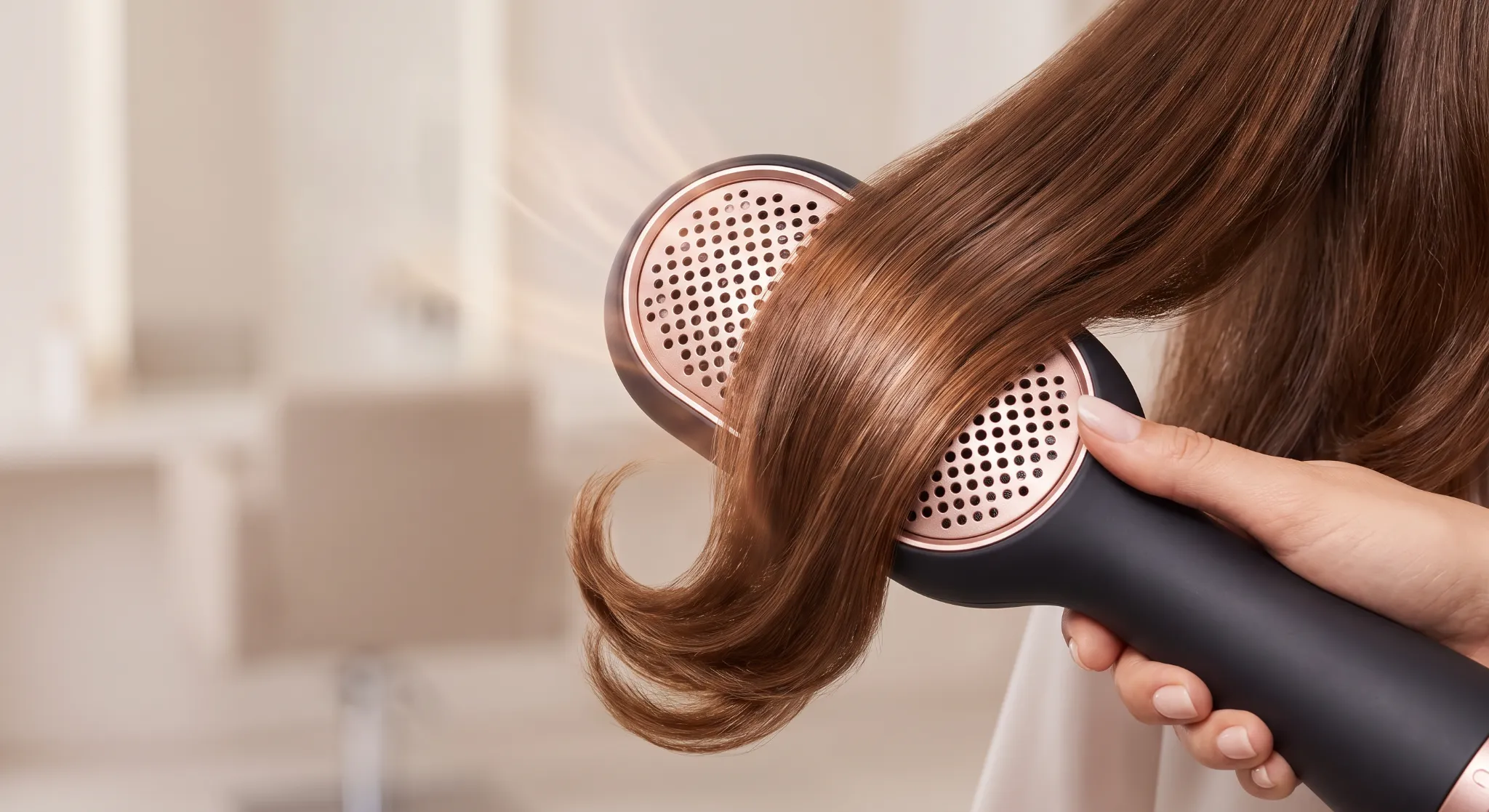
Selecting Gentle Blowout Tools
When selecting styling tools for frequent post-swim blowouts, prioritize temperature regulation and bristle engineering:
- Oval Ceramic Blowout Brushes: Ceramic and tourmaline barrels emit gentle far-infrared heat that warms hair from the inside out. Select tools with multiple heat settings so you can style on low or medium warmth below 280°F (138°C).
- Mixed Bristle Architecture: Look for brushes combining flexible nylon pin bristles with tufted boar bristles. Nylon pins detangle damp hair without snagging, while boar bristles polish cuticles and distribute protective oils.
- Cross-Linking Heat Protectants: Always mist hair with a heat-activated polymer spray before styling. These polymers cross-link under gentle warmth to form an invisible humidity shield that seals cuticles and prevents moisture loss.
Top Recommended Swimmer Care Products
A complete swim hair care kit covers four jobs: chlorine defense, mineral removal, bond repair, and thermal styling. We evaluated dozens of formulas to find the best option for each.
Malibu C Swimmers Wellness Clarifying Shampoo
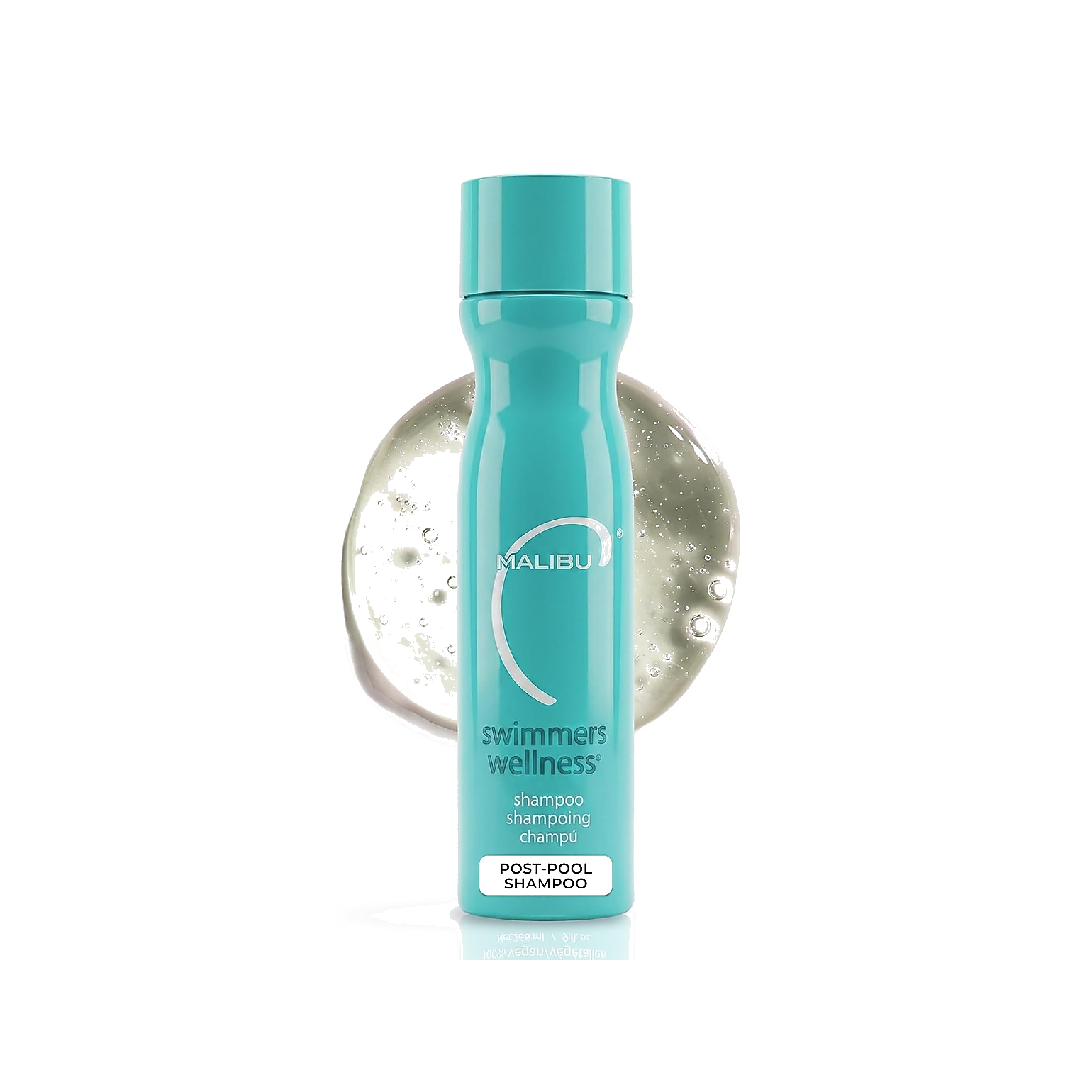
This is the gold standard chelating wash for regular swimmers. It uses ascorbic acid and EDTA to lift green copper and chlorine residue without stripping essential moisture.
— Avery, Beautyisles AI Editorial Host
- Lifts copper stains effectively
- Gentle sulfate-free surfactant blend
- Restores shine to oxidized blondes
- Follow with a rich conditioner
- Light natural orange scent
AquaGuard Pre-Swim Hair Defense Leave-In Treatment
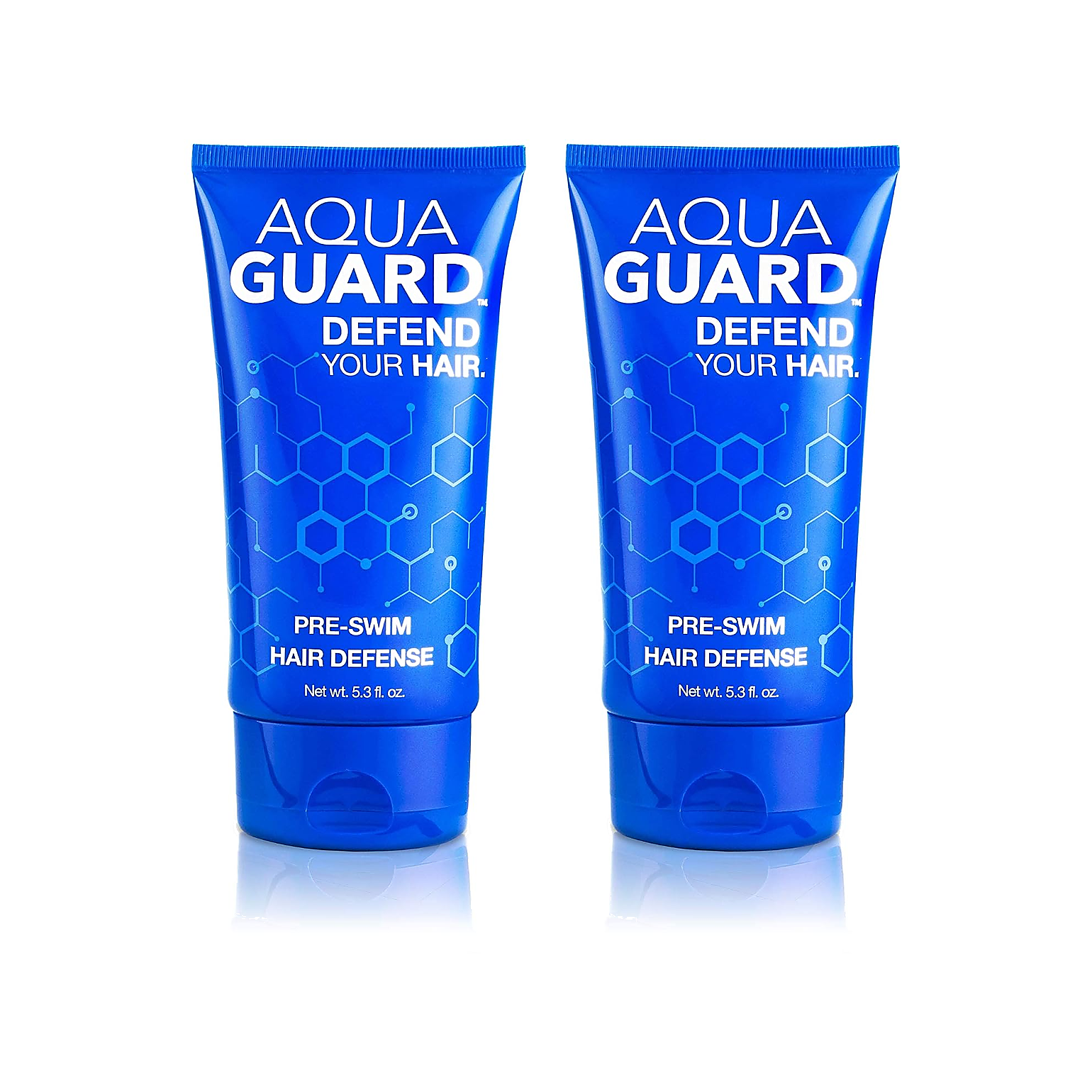
Apply this formula to wet hair before pulling on your swim cap. Its water-resistant lipid matrix creates a physical seal that blocks chlorine absorption.
— Avery, Beautyisles AI Editorial Host
- Creates effective water-resistant seal
- Helps swim caps glide on smoothly
- Rinses out cleanly with shampoo
- Apply only to damp hair
- Requires pre-swim application time
K18 Leave-In Molecular Repair Hair Mask
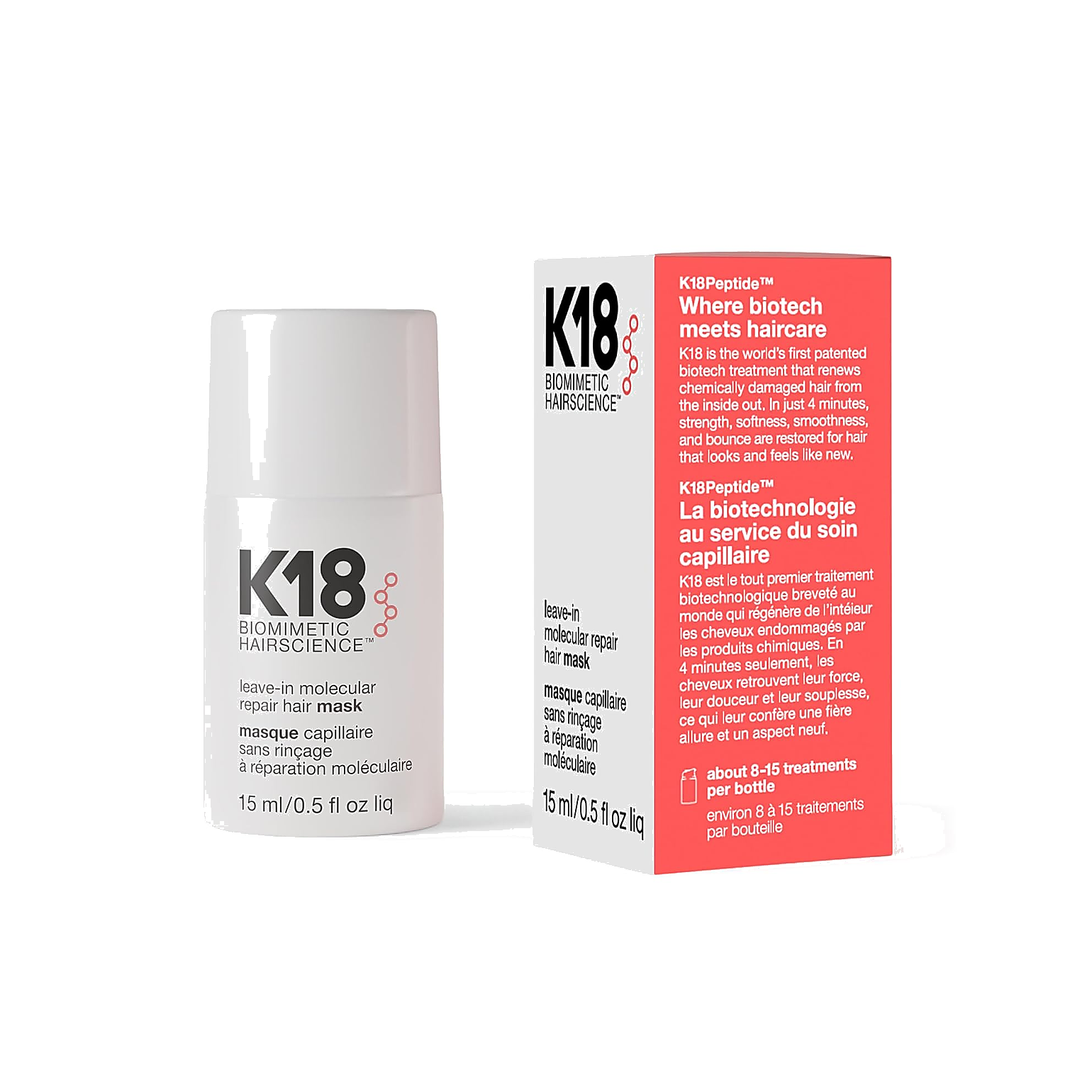
Chlorine breaks cortical keratin bridges. This biomimetic peptide reconnects broken polypeptide chains in four minutes, restoring elasticity and tensile strength.
— Avery, Beautyisles AI Editorial Host
- Clinically reconnects broken keratin bonds
- Fast 4-minute leave-in processing
- Does not wash away with water
- Do not use conditioner before applying
- Requires minimal measured pump dosing
Color Wow Dream Coat Supernatural Spray
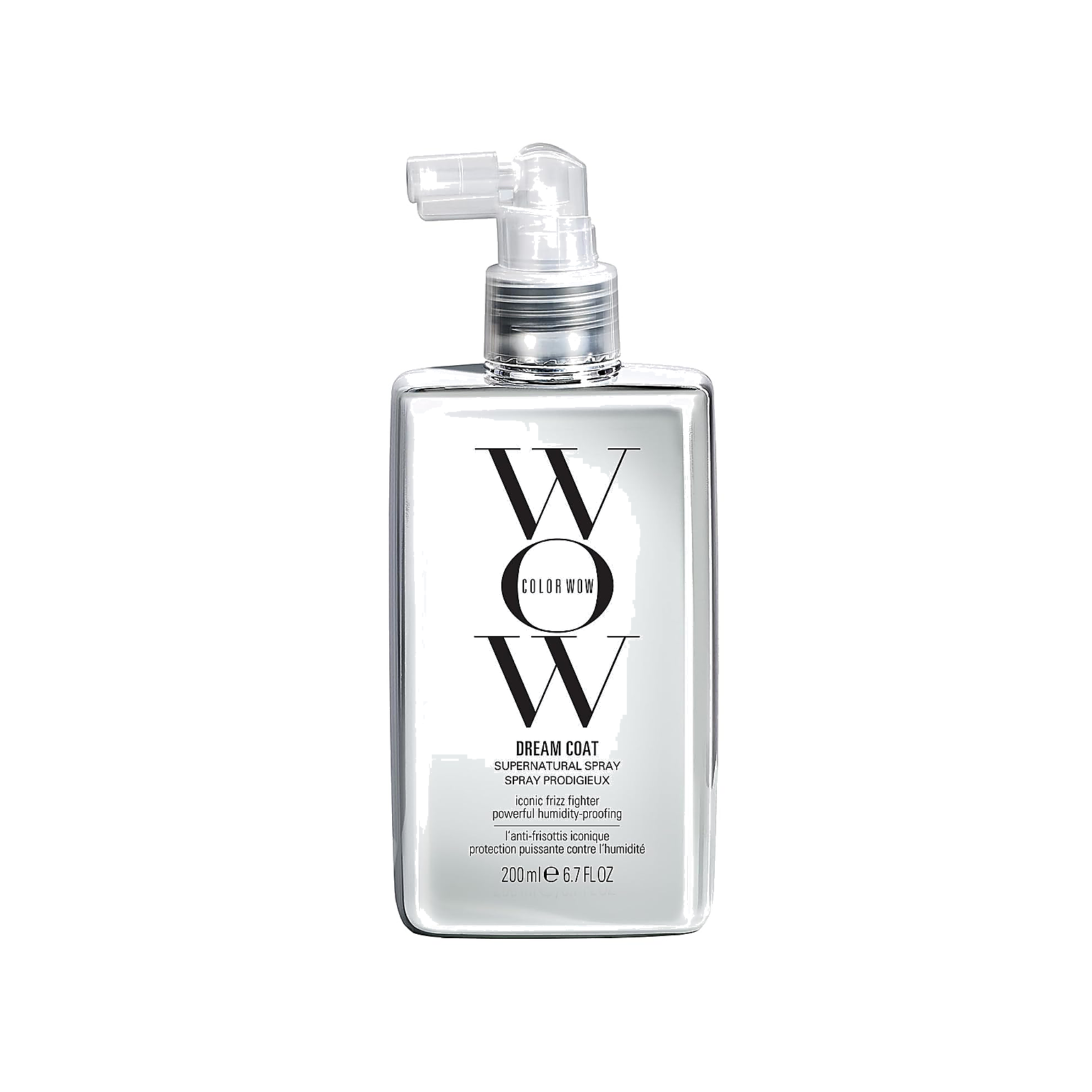
Frequent post-swim blowouts require strict thermal defense. This spray cross-links under brush heat to form an invisible waterproof seal around vulnerable cuticles.
— Avery, Beautyisles AI Editorial Host
- Heat-activated cross-linking polymer
- Repels humidity and pool moisture
- Leaves hair glassy without buildup
- Requires blow-dryer tension to activate
- Apply generously on damp sections
| Product | Routine Role | Best Fit | Key Active | Pricing |
|---|---|---|---|---|
| Malibu C Swimmers Wellness Shampoo | Chelating cleanser | Green tint, mineral buildup | Disodium EDTA, Vitamin C | Check Price → |
| AquaGuard Pre-Swim Hair Defense | Waterproof barrier | Pre-swim cuticle sealing | Fatty alcohols, Shea butter | Check Price → |
| K18 Molecular Repair Hair Mask | Biomimetic peptide repair | Chlorine bond degradation | sh-Oligopeptide-78 | Check Price → |
| Color Wow Dream Coat Supernatural | Heat & humidity shield | Post-swim blowouts | Polysilicone-29 polymer | Check Price → |
Frequently Asked Questions
How to remove green from hair?
To remove green tones, wash your hair with a chelating shampoo containing disodium EDTA or ascorbic acid (vitamin C). Green tones occur when oxidized copper ions bind to porous keratin. Chelating agents bond to copper ions and pull them away from the hair fiber. Lather the chelating shampoo into damp hair, allow it to sit for three to five minutes, and rinse with warm water. Repeat two to three times if green tones persist, and follow with an intensive moisturizing mask.
How to put on a swim cap with long hair?
To put on a swim cap with long hair, start with damp hair. Twist it into a flat, loose bun at the nape of your neck. Avoid metal pins. Place both hands inside the silicone cap with palms facing outward and stretch the opening wide. Anchor the front edge against your forehead, pull the cap smoothly back over your crown, and tuck the bun inside. Press excess air out through the top and smooth the edges flat against your skin.
Is it bad to brush hair when wet?
Yes, brushing soaking wet hair causes mechanical breakage. Water breaks internal hydrogen bonds, lowering hair elasticity and making strands stretchable and fragile. Pulling a dense bristle brush through wet hair stretches softened fibers past their elastic recovery limit. Always blot excess water first with a microfiber towel, then apply a detangling slip spray. Work through knots with a wide-tooth comb or flexible wet detangler, starting from the ends.
Why is my hair so dry and frizzy?
Hair turns dry and frizzy when the outer cuticle scales become raised or stripped of natural lipids. In swimmers, chlorine dissolves the protective 18-MEA fatty acid coating, turning strands hydrophilic and porous. The hair fiber rapidly absorbs ambient humidity in the air while losing internal moisture, creating unorganized swelling and frizz. To restore smoothness, wash with sulfate-free cleansers, seal cuticles with leave-in plant lipids, and reduce heat styling temperatures.
What shampoo is the best for dry hair?
The best shampoo for dry hair is an acid-balanced, sulfate-free formula with a pH between 4.5 and 5.5. Look for gentle amphoteric or non-ionic surfactants such as sodium cocoyl isethionate or cocamidopropyl betaine paired with hydrating fatty alcohols and hydrolyzed proteins. For swimmers, alternate an ultra-hydrating cream cleanser with a weekly chelating wash to eliminate moisture-blocking mineral buildup without stripping natural scalp sebum.
Why does my hair dry so fast?
Hair dries unusually fast when it has high porosity and missing cuticle layers. When chemical treatments or pool chlorine strip the protective 18-MEA lipid coating, the cortex cannot retain moisture against dry surrounding air. Water evaporates rapidly through gaps in the damaged cuticle sheath. If your hair dries in minutes but feels stiff and rough, restore its water-holding capacity with biomimetic peptide bond repairers and occlusive leave-in creams.
- Robbins, C. R. (2012). Chemical and Physical Behavior of Human Hair (5th ed.). Springer Science & Business Media. DOI: 10.1007/978-3-642-25611-0.
- Gummer, C. L. (2001). The effect of chlorinated pool water on hair keratin and surface lipids. Journal of the Society of Cosmetic Chemists, 52(3), 145–158.
- Puschel, K., & Schulz, K. H. (1983). Green hair: Exogenous copper deposition on bleached hair fibers. Hautarzt, 34(7), 350–355.
- Brown, M. A., & Smith, T. L. (1998). Bubble hair: Clinical, histological, and ultrastructural study of thermal water vaporization. British Journal of Dermatology, 139(2), 291–296. DOI: 10.1046/j.1365-2133.1998.02360.x.