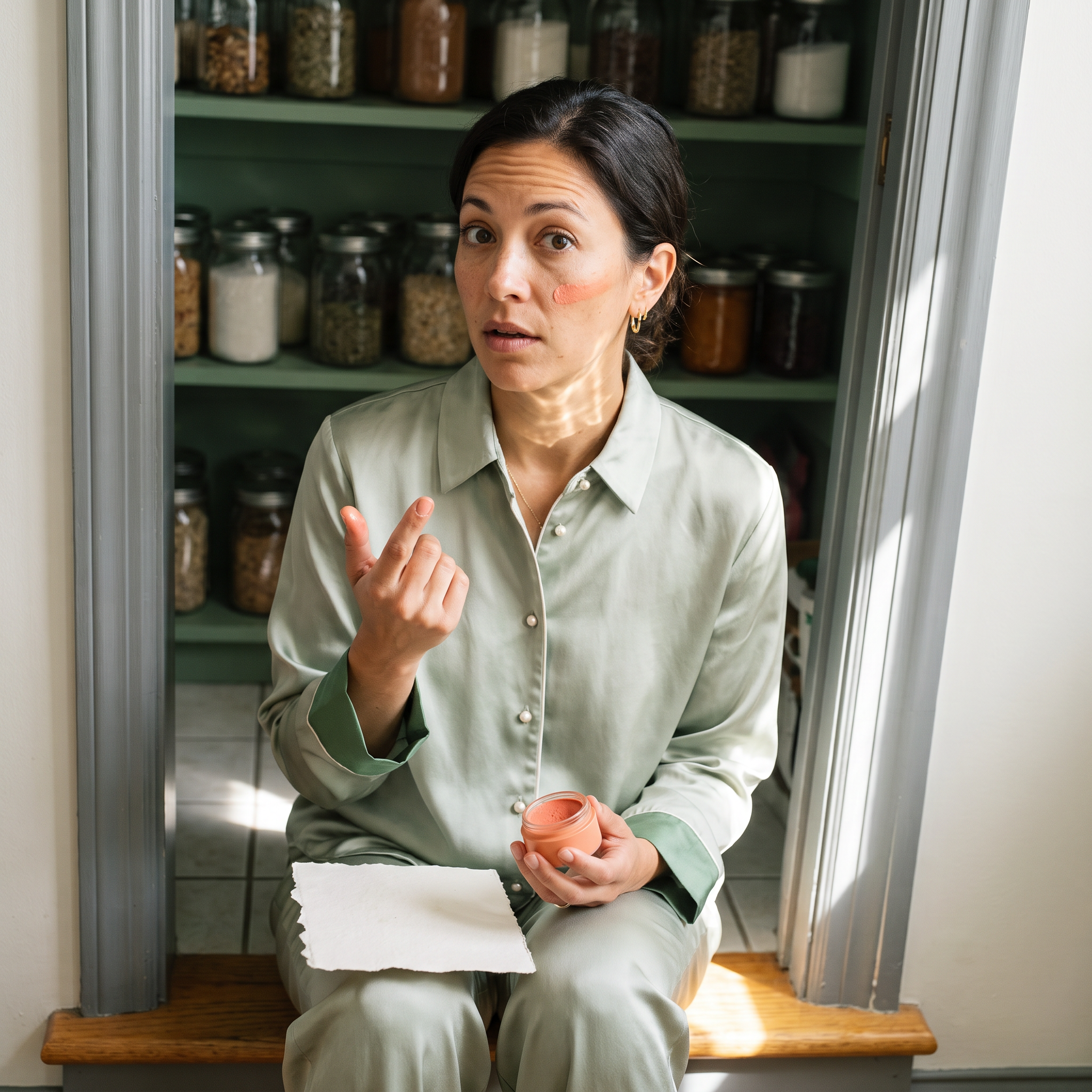
- Match the red you already have. Skin color comes from melanin, haemoglobin, bilirubin, and carotene. Haemoglobin sets your redness. A blush near that hue reads as natural.
- Very light skin needs a light touch. Measured very light skin carries little natural red. A highly saturated blush reads as a stripe, not a flush.
- Warm beats cool for most light skin. In measured studies, observers read golden-yellow skin as healthier than brown or pure pink. Peach and warm pink are the safe middle.
- Skin type picks the form. Dry skin does better with cream or liquid. Oily or combination skin does better with a pressed powder.
- Warmth and sculpting are different jobs. Warmth goes on the apple and cheekbone. Sculpting belongs to contour, and uses a shadow tone, not a blush.
What Undertone Means and Why It Decides Your Blush
A blush looks natural when its color lands near the color your cheeks already carry. That is why the right answer is different for very light skin and for light skin. It is also why the same shade can sing on one person and look flat on another.
An undertone is the base color under your skin. It stays the same in winter and in summer, pale or tanned. Skin gets its color from four pigments. Melanin makes it light or deep. Haemoglobin makes it red. Carotene makes it yellow, and bilirubin adds a little more. Your undertone is the balance between them.
When you place a blush, you are adding a fifth pigment layer on top of four you do not control. The blush reads as natural only when its hue lands near the hue the skin already carries.
Two people can both have light skin and still need different blush. Lightness and redness are separate measurements. In the CIELAB system, L* tracks melanin and a* tracks redness from blood. Very light skin measures around a* 3.7. Light skin measures around a* 7.0. So light skin already carries roughly twice the natural red. It can take a stronger pink. Very light skin needs less.
That also sets the pigment load, which is how much color a product carries in each dot or swipe. Low a* skin has more contrast against any blush, so a patchy or heavy deposit shows very clearly. Build in thin layers rather than one pass.
Light skin is one point on a wide, continuous spectrum. It is never a default and never an ideal. Skin tone varies within every group, and there is no agreed categorical standard. Two readers in this band can need opposite blush colors. Treat the advice here as decisions with conditions, not as a rule for a category of person.
The Best Blush Color for Light Skin: Cool, Warm and Neutral
The color you choose should correct, not cover. Complementary hues neutralise each other. Green cancels red, and peach and orange cancel blue-purple. In the CIELAB framework that is the a* axis being pushed back toward zero. The practical version of this rule follows your undertone.
Cool undertone (pink or blue base). Soft pink, cool rose, light berry. A pure cool pink can gray out a warm face, so build it slowly rather than laying it down in one pass.
Warm undertone (yellow, peach or gold base). Peach, apricot, warm coral, warm pink. This is the family the perceived-health evidence supports. Observers were shown manipulated faces and asked to make them look as healthy as possible. They raised carotenoid (yellow) coloration far more than melanin (brown) coloration. The carotenoid effect was ΔE 3.20 on female faces against ΔE 0.36 for melanin. The eye reads a golden-warm flush as well and rested, which is the scientific case for peach over pure pink on light skin.
Neutral undertone. Rose, soft mauve, dusty pink. Most shades work. Test on the cheek, not the wrist.
Two warnings are worth stating plainly. A berry or plum is a deliberate choice on light skin, not a default. It reads as a statement. Red blush is the hardest shade to wear on light skin. If you want it, build it from a cream in thin layers instead of one powder pass.
Swatch on the cheek, never the wrist, and check it in daylight. A shade that disappears on the wrist can still be too strong on the cheek, because the skin there carries more red. Add color in two thin layers rather than one heavy one.
Cream, Powder or Liquid: Choose by Skin Type
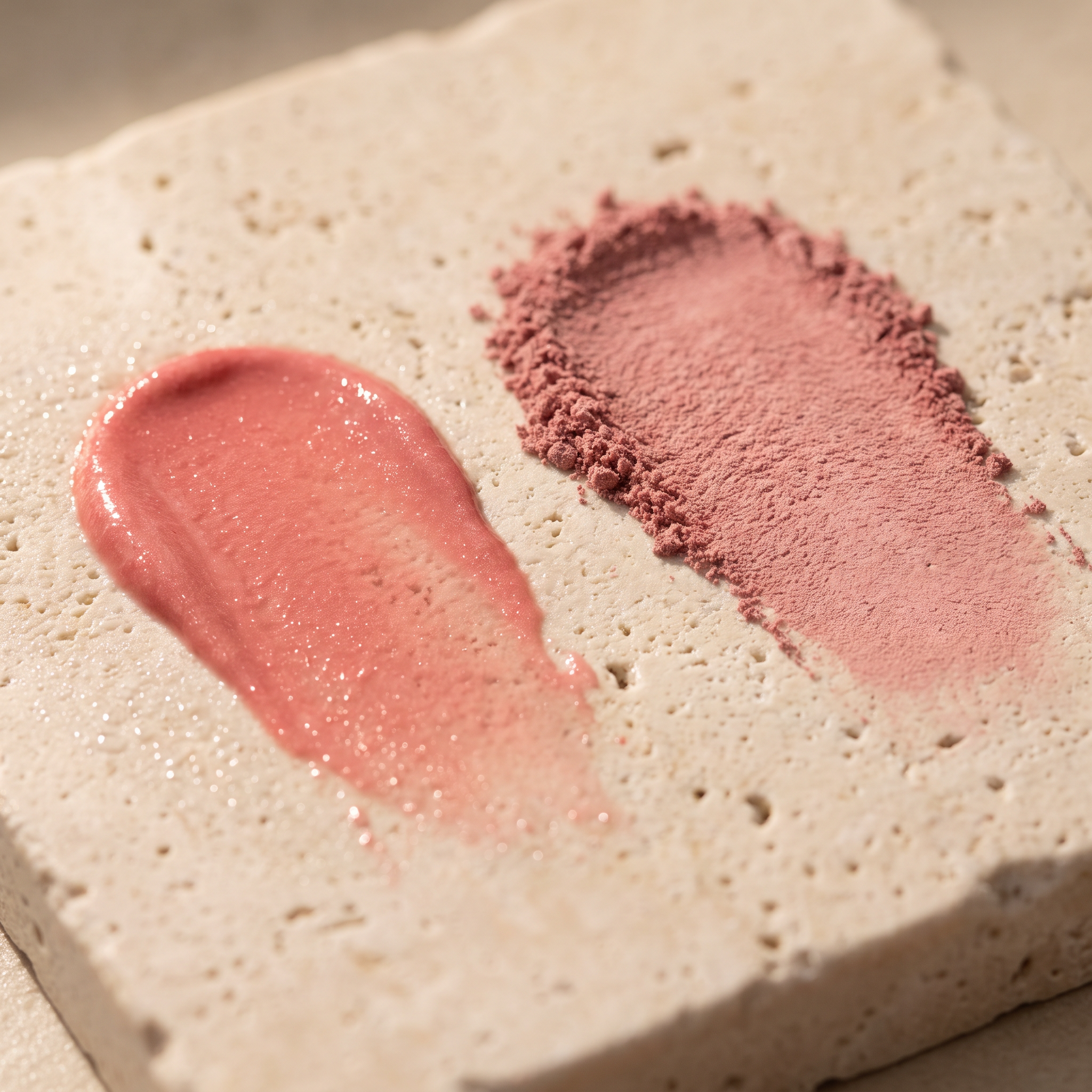
The color decision comes first, and the form comes second. Here is what each form is made of, in plain terms.
- Cream. An emulsion that carries pigment in an oil or silicone phase. It sits on the skin surface and stays mobile, so it blends with warmth from the fingers.
- Powder. Pigment bound with a filler such as talc, mica, silica or starch and compressed. It sets matte, absorbs surface oil, and grips.
- Liquid. A thin, water-light emulsion or gel. It spreads furthest of the three and gives the longest working time before it sets.
Condition before command. If the skin is dry or mature, choose cream or liquid. Dry light skin holds very little surface oil, so a powder sits in texture and can look chalky. If the skin is oily or combination, choose a pressed powder, or a cream set with a light powder. Normal-to-oily skin breaks a cream down within hours.
Then match the base of the blush to the base of the foundation, or the top layer balls up. A liquid or cream carried in water does not bond with a foundation built on volatile silicones and film formers. The two layers slide against each other instead of gripping. If your foundation is silicone-based, choose a silicone-friendly cream or a powder over it. If it is water-based, choose a water-based liquid or cream. The same depth and undertone matching logic runs through the base layer itself, which is what luxury makeup foundations covers.
Talc-free deserves an honest answer. Talc improves compressibility from as little as 10 percent but needs more than 20 percent to improve flow. Fumed silica improves compressibility from 5 percent and keeps improving to 20 percent. Cornstarch works in reverse at higher loads. A talc-free pressed blush is therefore a real, tested formulation, usually with fumed silica or a silica and starch blend doing the work. The trade-off is that starch-heavy compacts can feel drier and are more prone to hard-pan over time. Talc-free is a legitimate preference, not a safety necessity. Talc has no specific pre-market approval requirement for cosmetic use in the United States. The Cosmetic Ingredient Review expert panel concluded that it is safe as used in cosmetics.
Finally, formula quality decides how evenly the color lands. Finer, more uniformly milled pigment disperses more evenly through the binder and spreads into a thinner film. Larger or poorly dispersed particles deposit in patches. Color is judged by eye, so any uneven dispersion reads as patchiness. On light skin, where a* is low and contrast against the blush is high, that patchiness is very visible. This is the real difference between a prestige and a budget powder. It is also why sheer and buildable are formula properties, not a hedge.
A water-based blush slides over a silicone-based foundation instead of gripping it. That is what makes the top layer ball up. Match the base of the blush to the base of the foundation, or set the foundation with a light powder first.
Every blush in this edit sits at prestige pricing. A drugstore blush deserves the same test as a prestige one: does it build sheerly, and does it blend out without streaking?
Where to Apply Blush for Warmth, Lift and Shape
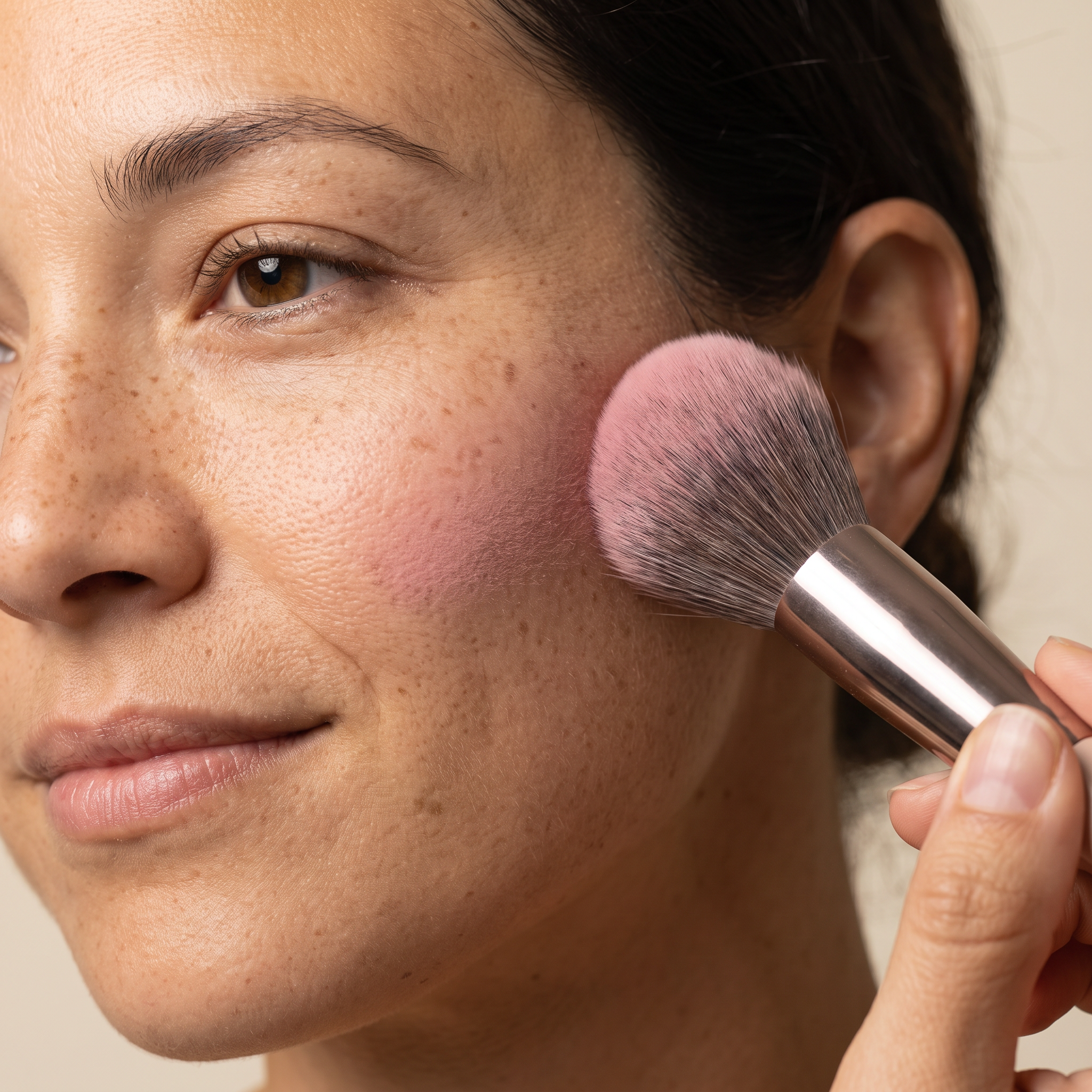
Placement sets the optical effect. Color placed low and forward adds apparent volume and warmth. Color placed high along the cheekbone, swept upward, lifts the eye. Color placed in the shadow area under the cheekbone reads as a shadow, which is the definition of sculpting. That is a contour job, not a blush job.
- Warmth. Tap onto the apple of the cheek and blend out toward the temple.
- Lift. Sweep the color higher, along the top of the cheekbone, and stop before the hairline.
- Shape. This is contour, not blush. Different product, different placement, and a shadow tone rather than a warm one.
- Round face. Sweep upward and outward toward the temple, and keep the color above the mid-cheek.
Do not drag blush down toward the jaw. It reads as redness rather than as cheek color. The most common light-skin error is placing a warm pink where a contour belongs. Warmth and sculpting use different products, different placements and different amounts of pigment. A contour stick is where the shadow half of that split begins.
One limit is worth naming. Any volume effect a blush creates is optical, not structural. Blush does not change cheek volume, and no placement can.
Blush and Bronzer Together: Warmth Without Mud
Bronzer adds warmth. Blush adds color. Contour adds shadow. The three are different jobs, and reading them as one is what turns a light-skin face muddy.
On light skin, choose a bronzer one or two shades deeper than the skin, never more. A bronzer two or three steps deeper stops reading as sun and starts reading as dirt. That is the same depth discipline a contour shade needs, and nothing deeper than two steps belongs on the perimeter of a light face.
The order is straightforward. Bronzer goes first for warmth along the perimeter, then blush goes on the cheek. Bronzer follows where the sun would land. Blush follows where the cheek flush lives. Keep the strongest pigment at the front of the face, so it fades outward instead of sitting on the edge of the jaw.
If you wear both, use a lighter hand on the bronzer than the one you would use on medium skin. Peach and apricot are the warm family the evidence supports, and a warm coral blush sits next to a soft bronzer without fighting it. Keep the blush on the cheek rather than over the bronzer, so the two tones stay legible as separate choices.
Blush and lip color are one family, not two decisions. Keep them in the same temperature, so the face reads as one look rather than two separate color stories. The same undertone logic carries into lipstick.
Depth is not the deciding factor. A blush for fair skin still follows the undertone rule, and so does a bronzer for fair skin. Cool, neutral or warm decides both. How light you are decides only how little you use.
Common Blush Mistakes on Light Skin
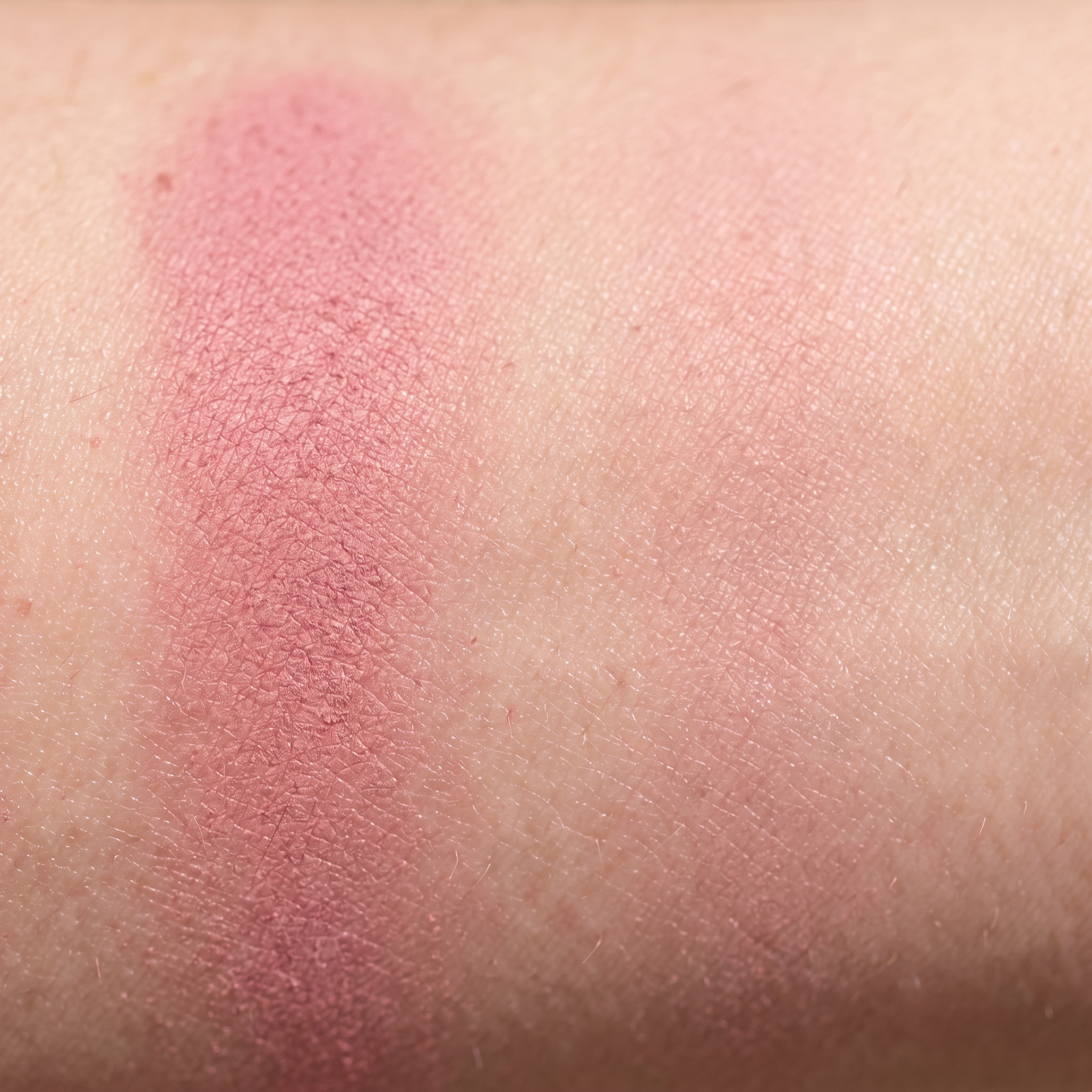
Most disappointing blush results on light skin come from a short list of avoidable errors.
- Using too much pigment at once. Low a* skin shows a heavy deposit as a stripe. Build in two thin layers instead of one.
- Choosing on the wrist instead of the cheek. The cheek carries more red, so a shade that disappears on the wrist can still be too strong where it will actually sit.
- Placing a warm pink where a shadow tone belongs. That is contour work, and a warm blush in the hollow reads as dirt.
- Setting a cream blush too hard. Powder kills the finish that made the cream worth choosing.
- Mixing forms across bases. A water blush over a silicone base pills instead of gripping.
If your cheeks flush easily, that is a normal range, not a condition. Light skin shows redness more readily than deeper skin. Choose a warmer peach over a cool pink, use a lighter pigment load, and let the color sit higher on the cheek. If flushing comes with burning or visible broken vessels, see a clinician. Beautyisles does not provide a diagnosis.
The Verified Edit
NARS Blush, Orgasm
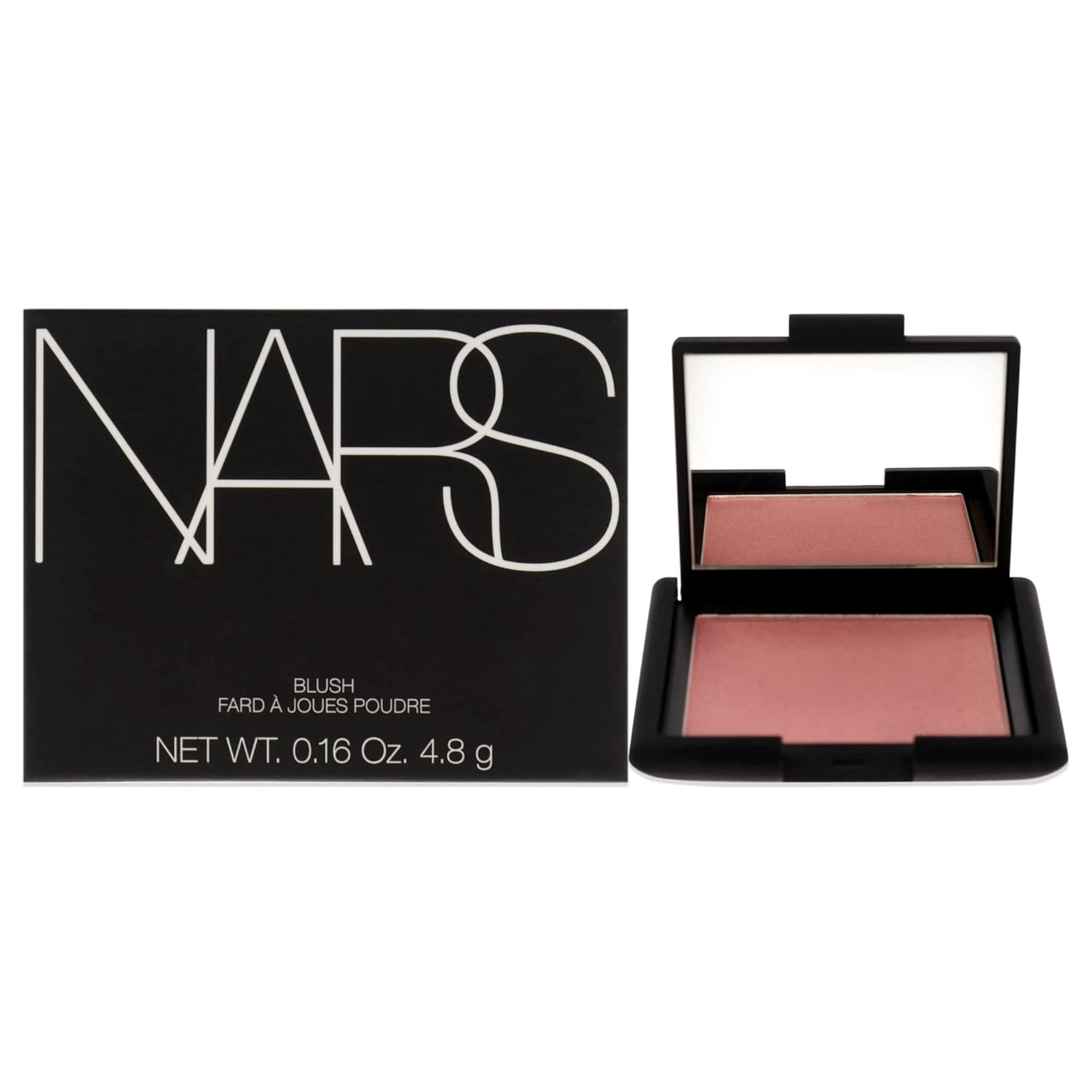
The default powder: a peachy-pink that sits where the evidence says a light-skin blush should sit. Warm enough to read as the healthy yellowness, pink enough to read as cheek color.
Avery, Beautyisles AI Editorial Host
- Peachy-pink with fine gold shimmer on light skin
- Dense pigment, so a sheer pass still reads
- Silky milled powder blends and builds without caking
- Shimmer catches on open pores when over-applied
- Color drifts warmer across a long day
NARS Afterglow Liquid Blush, Behave
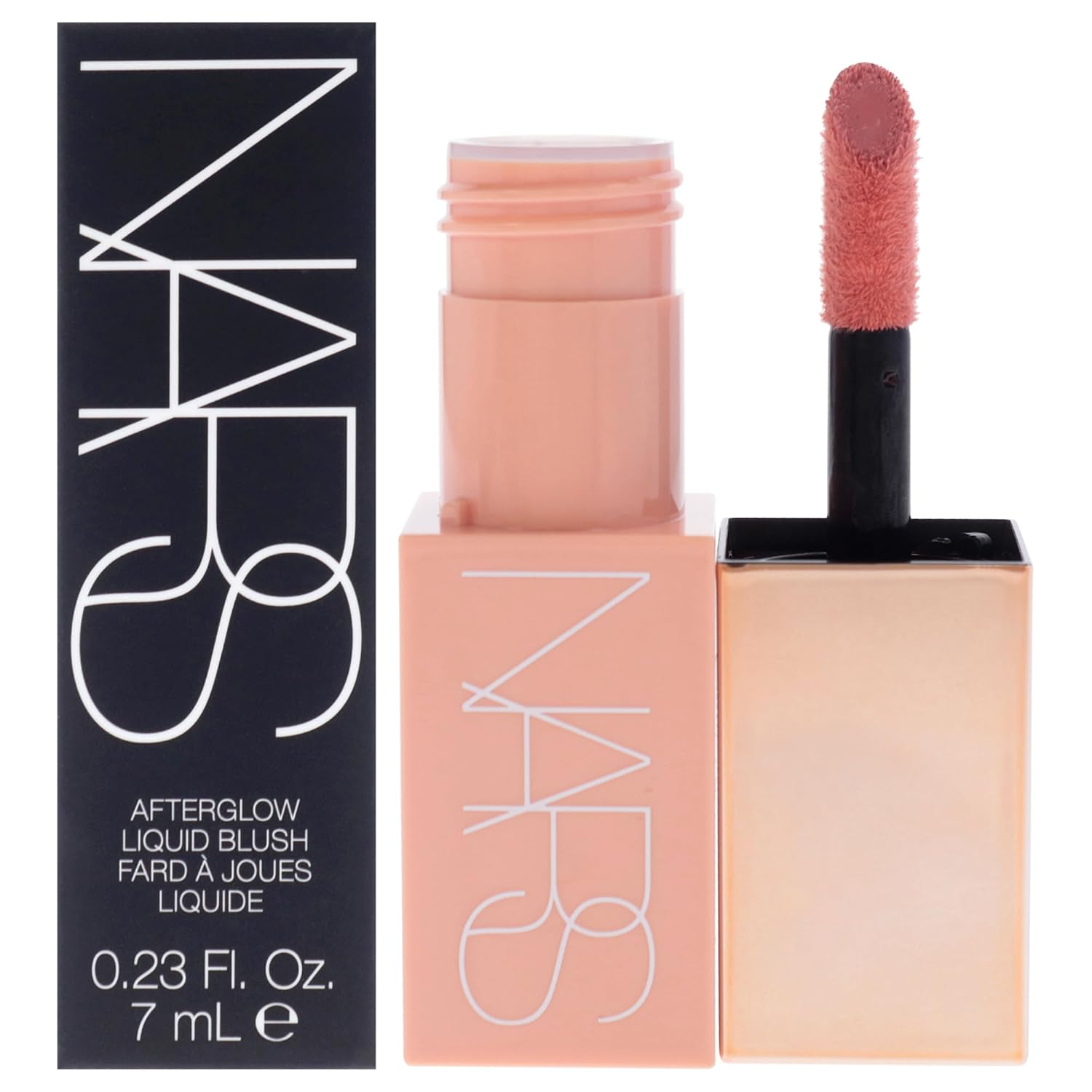
The liquid pick for dry or mature light skin. A weightless formula layers without streaking. It does not settle into surface texture the way a pressed powder can. The shade is a soft pink that stays clear of berry.
Avery, Beautyisles AI Editorial Host
- Weightless liquid layers without streaking
- Buildable from a soft rush to a stronger flush
- Hydrating formula suits dry or mature skin
- Thin texture sets fast, so blend quickly
- Not water resistant, so humidity fades it
ILIA Soft Focus Blurring Blush, Flutter
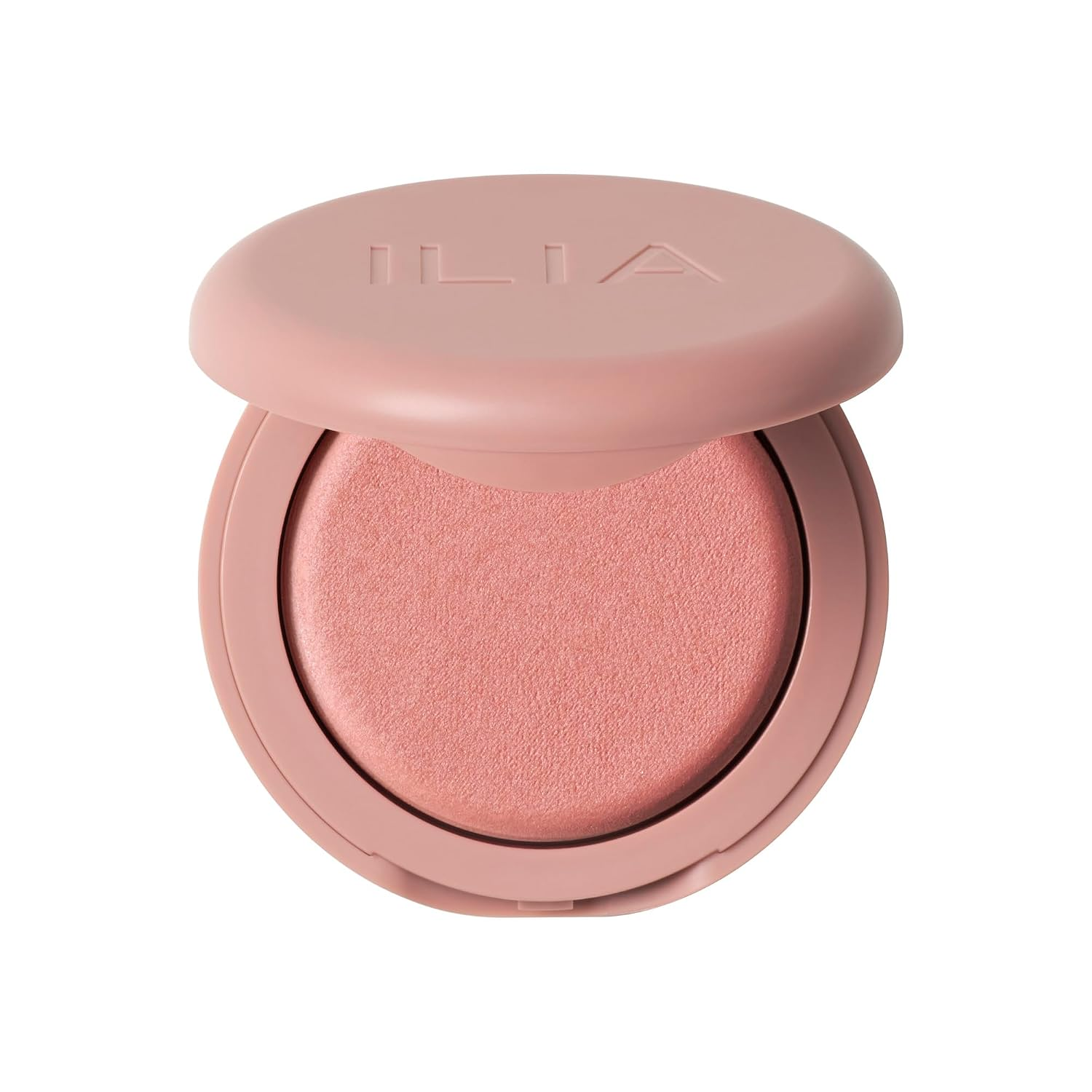
The texture-blurring powder, built around an even, soft-focus deposit. That is the property that matters most where low contrast makes patchiness visible on light skin.
Avery, Beautyisles AI Editorial Host
- Soft-focus finish smooths the look of pores
- Talc-free, sensitive-skin formula, vegan
- Warm peach sits in the flattering family for light skin
- No glow without a separate highlighter
- Fine mill kicks up loose powder in the pan
Chantecaille Cheek Gelee Hydrating Gel-Cream Blush, Happy
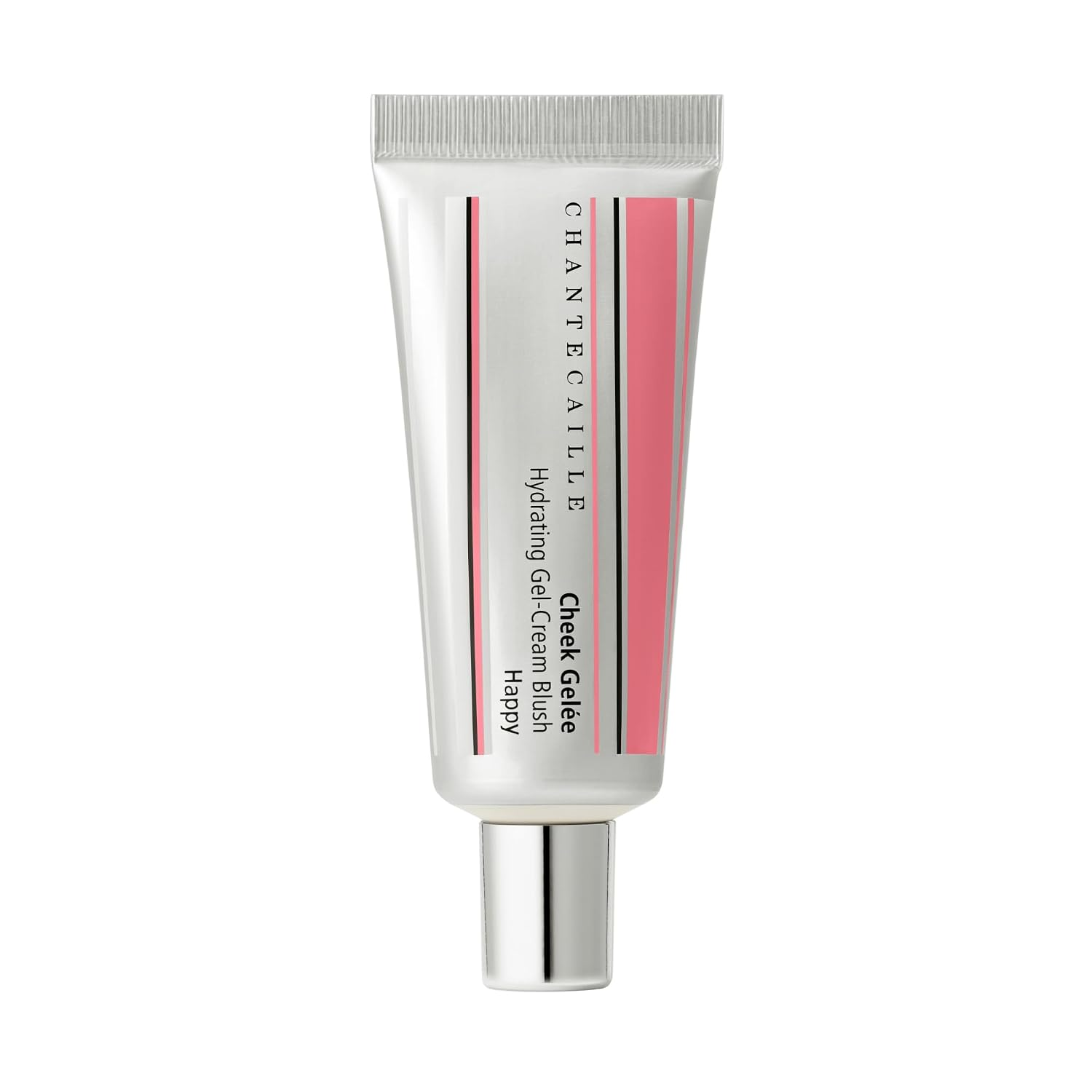
The hydrating gel-cream gives a dewy finish for dry or mature cheeks. It also shows the cream-then-powder layering order: the brand’s own technique note layers it over a powder blush.
Avery, Beautyisles AI Editorial Host
- Hydrating gel-cream suits dry or mature cheeks
- Very buildable, so stop at the faintest flush
- Blends with fingertips and layers over powder blush
- Sheer first pass needs several layers
- Over-application leaves an obvious sheen
Frequently Asked Questions
These are the questions readers ask most often about blush color, bronzer and placement on light skin.
Where should I apply bronzer?
Apply bronzer along the perimeter of the face, where the sun would naturally land. That means the forehead, the outer edge of the cheek and the bridge of the nose. On light skin, use a shade one or two deeper than your skin and no more. Keep the strongest pigment toward the edge so it fades outward instead of sitting as a line.
What is bronzer?
Bronzer is a warm, orange-leaning product that mimics sun on the skin. It adds warmth rather than shadow, which is why it is a different product from contour. A cast shadow removes direct light and reads cooler and grayer, while sun adds warmth and saturation. If your product is orange, it is a bronzer whatever the label says.
Where does blush go?
Tap blush onto the apple of the cheek and blend out toward the temple for a soft, warm flush. For a lifted look, sweep the color higher along the top of the cheekbone and stop before the hairline. Do not drag it down toward the jaw, where it reads as redness rather than as cheek color.
Where do you apply blush on a round face?
Sweep the color upward and outward toward the temple, and keep it above the mid-cheek. Color placed low and forward adds apparent volume, which a round face does not need. Blending toward the temple draws the eye upward instead. Keep the deepest pigment on the cheekbone rather than in the hollow, because the hollow belongs to contour.
Where should I put bronzer and contour?
Bronzer goes along the perimeter where sun would land, and contour goes in the hollows where bone turns away from the light. On light skin, apply bronzer first for warmth, then blush on the cheek, then contour only if you want a shadow. Keep a warm bronzer out of the cheek hollow, because warmth there reads as dirt rather than as structure.
What is blush?
Blush is a cheek product that adds warmth, so the face looks less flat. It comes as a powder, a cream, a liquid and a stick. All four sit on top of the skin and none of them changes it. On light skin, a sheer peach or soft rose reads closest to a natural flush.
How do you apply blush?
Start on the apples of the cheeks and blend outward toward the hairline. Build in thin layers, because extra pigment is easier to add than to remove. A cream or liquid blush needs fingers or a dense sponge. A powder blush needs a fluffy brush and a light hand.
Editorial Sources
- Ly BCK, Dyer EB, Feig JL, Chien AL, Del Bino S. Research Techniques Made Simple: Cutaneous Colorimetry: A Reliable Technique for Objective Skin Color Measurement. J Invest Dermatol. 2020;140(1):3-12.e1. doi 10.1016/j.jid.2019.11.003. PMID 31864431.
- Pezdirc K, Rollo ME, Whitehead R, Hutchesson MJ, Ozakinci G, Perrett D, Collins CE. Perceptions of carotenoid and melanin colouration in faces among young Australian adults. Aust J Psychol. 2018;70(1):1-6. doi 10.1111/ajpy.12163.
- Ajayi OM, Amin S. Flow and performance effects of talc alternatives on powder cosmetic formulations. Int J Cosmet Sci. 2021;43(5):588-598. doi 10.1111/ics.12733. PMID 34411305.
- Gallo RL, Granstein RD, Kang S, Mannis M, Steinhoff M, Tan J, Thiboutot D. Standard classification and pathophysiology of rosacea: The 2017 update by the National Rosacea Society Expert Committee. J Am Acad Dermatol. 2018;78(1):148-155. doi 10.1016/j.jaad.2017.08.037. PMID 29089180.
- Weir VR, Dempsey K, Gichoya JW, Rotemberg V, Wong AKI. A survey of skin tone assessment in prospective research. NPJ Digit Med. 2024;7:1176. doi 10.1038/s41746-024-01176-8. PMC11252344. PMID 39014060.