
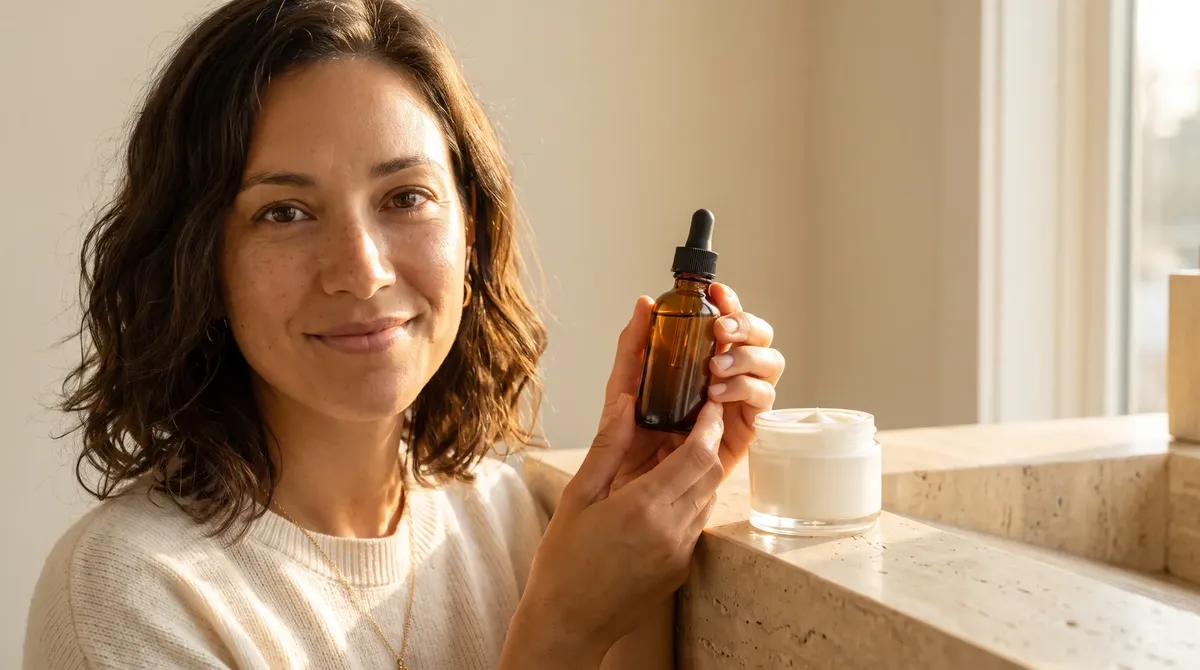
- Different roles: Ceramides are part of the skin’s lipid barrier; hyaluronic acid is a humectant used for hydration.
- Choose the formula, not the buzzword: A moisturizer’s full composition and texture matter as much as any highlighted ingredient.
- Layering can be simple: If you use a separate serum, follow it with a moisturizer while your skin still feels comfortably hydrated.
- Dry-air comfort is individual: If a serum leaves your skin feeling tight, change the amount, follow with moisturizer, or use a different formula.
- Know when to stop experimenting: Painful, swollen, oozing, or persistent symptoms need a clinician—not another skincare layer.
What Is Ceramide for Skin?
Ceramides are lipids found naturally in the outer skin barrier. In moisturizers, they are used alongside other emollient, humectant, and occlusive ingredients to support a comfortable, less dry-feeling surface. Hyaluronic acid is different: it is a humectant used to help bind water in the outer skin layers.
Understanding the distinction helps you compare complete formulas instead of paying for a front-label ingredient without knowing what job the product is meant to do.
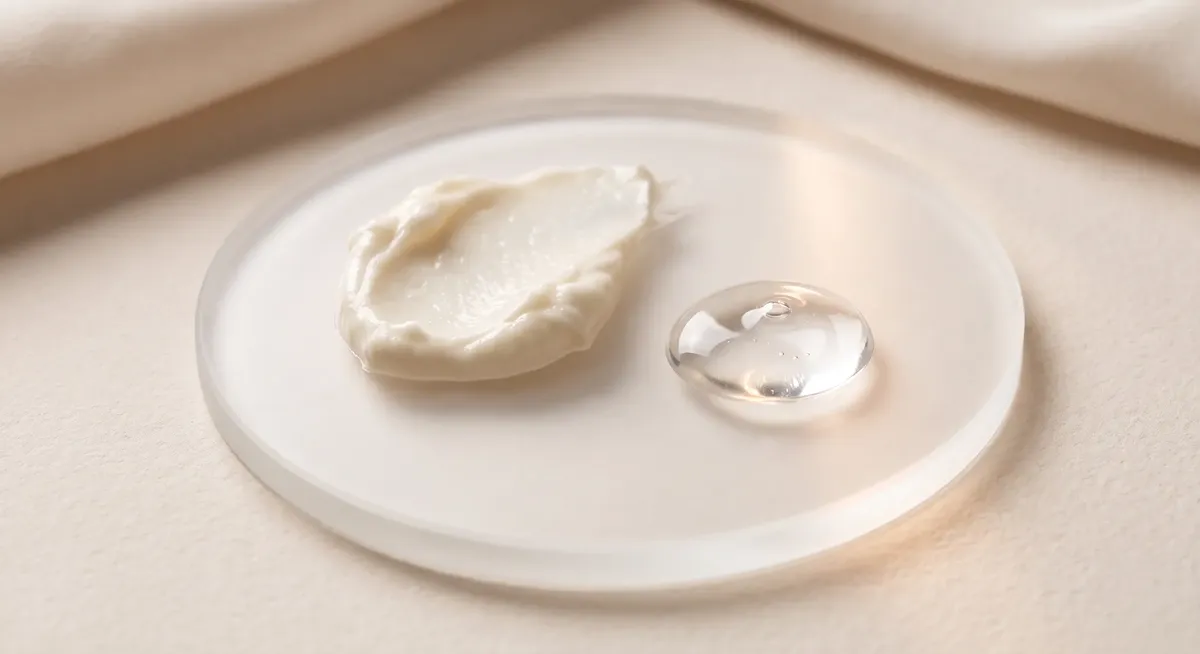
In dermatological science, your outermost skin barrier (the stratum corneum) functions like a brick wall:
- The Bricks (Corneocytes): Flattened cells containing keratin and natural moisturizing factors.
- The Mortar (Intercellular Lipids): A lipid mixture that includes ceramides, cholesterol, and free fatty acids.
A moisturizer may include both ingredient types, and that can be convenient. The full formula, how much you apply, the climate, and your individual tolerance matter more than treating either ingredient as a stand-alone cure.
Ceramide Moisturizer for Dry Skin vs. Hyaluronic Acid
Choose by product format and the job you need, not by declaring one ingredient a universal winner.
A ceramide moisturizer may suit readers who want a cream or lotion with lipid and emollient support. A hyaluronic acid serum adds a separate humectant step, but it does not replace every function of a moisturizer. When skin is stinging, red, peeling, or painful, avoid diagnosing the cause from an ingredient label alone.
- Ceramide moisturizers: Combine ceramides with a cream or lotion base that may also contain humectants, emollients, and occlusives.
- Hyaluronic acid products: Use a humectant ingredient to support surface hydration; the surrounding formula determines the final feel and performance.
If budget or routine simplicity limits you to one hydration product, a complete moisturizer is generally more versatile than a single-purpose serum because it can combine several ingredient functions in one step.
Hyaluronic Acid in Dry Weather
Some people report that a hyaluronic acid serum feels tight in dry or air-conditioned environments, while others tolerate it well.
Humectant performance depends on the complete formula and the rest of the routine. Applying a serum to comfortably damp skin and following it with a moisturizer may improve the feel for some users.
If tightness or irritation develops, reduce the amount, follow with a moisturizer, switch formulas, or stop using the product. Severe or persistent symptoms need clinical assessment rather than more layering.
Molecular-weight claims are often used in marketing, but they do not predict how every finished product will feel on every person. Patch test a new formula and judge the product by comfort, directions, and consistent use.
Using Ceramides and Hyaluronic Acid Together
Yes. The ingredients can appear in one formula or in separate products, and there is no general incompatibility between them.
A simple way to think about the combination is:
- Hyaluronic acid is used as a humectant within the hydration step.
- Ceramides are lipids commonly included in moisturizer formulas.
You do not need two products if one well-tolerated moisturizer already provides the finish and comfort you want.
How to Use Hyaluronic Acid for Skin?
Follow the product directions. If you use a separate serum and moisturizer, this simple sequence is a practical starting point:
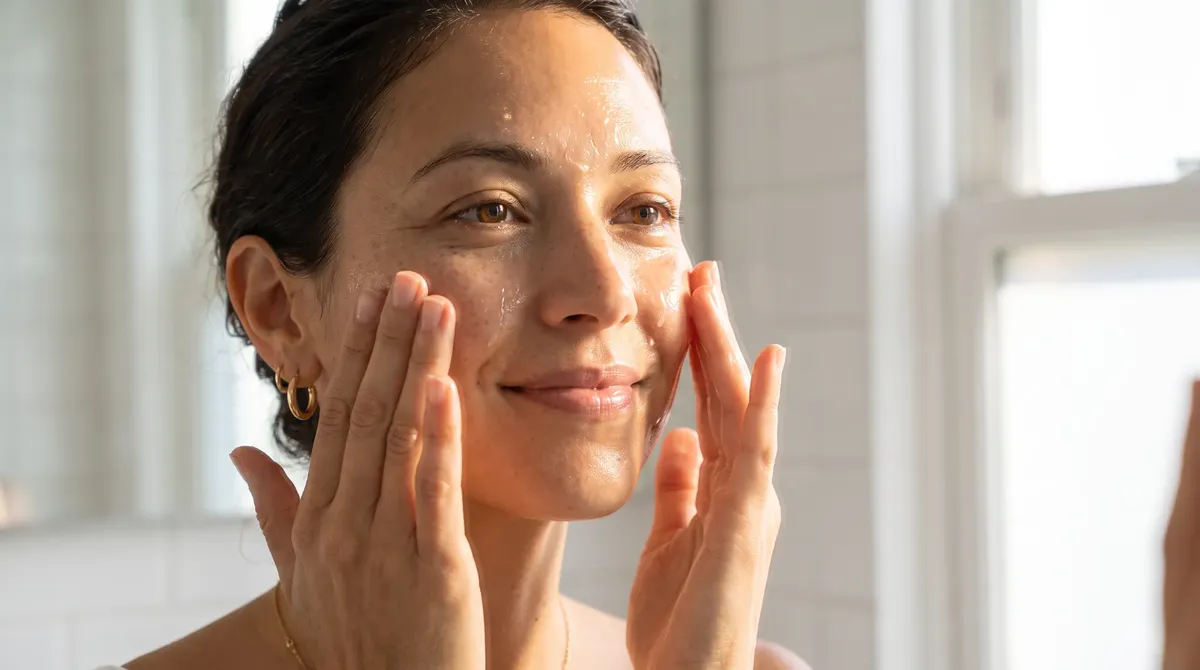
The 4-Step Application Sequence
- Cleanse Gently: Wash with a non-foaming, pH-balanced cleanser and lukewarm water. Do not rub your skin dry with a textured towel; leave skin distinctly damp.
- Apply the serum: Use the amount on the label, usually on clean skin. Slightly damp skin may feel more comfortable for some formulas.
- Let it settle: You do not need an exact timer; continue while the skin still feels comfortable.
- Follow with moisturizer: Apply a lotion or cream if the serum alone does not provide enough comfort.
If you are establishing your core routine from scratch, read our foundational skincare routine for damaged skin barrier before adding optional serums.
Reading Ceramide Moisturizer Labels
Not all ceramide moisturizers have the same texture or supporting ingredients. Read beyond the highlighted ceramide claim and look at the complete ingredient list, directions, package size, and finish.
Barrier-focused formulas may combine three broad lipid groups, but a consumer ingredient list does not reveal the exact finished-product performance:
| Lipid Component | What to notice on a label | Practical shopping context |
|---|---|---|
| Ceramides (NP, AP, EOP) | One or more named ceramides | A useful signal, but not a stand-alone quality score. |
| Cholesterol | May appear alongside ceramides | Part of the broader lipid system used in some formulas. |
| Free Fatty Acids | Examples include stearic or linoleic acid | The total formula and texture still determine product fit. |
When shopping, prioritize a formula you can afford to repurchase and use consistently. If you are sensitive to a known ingredient, compare the current manufacturer label because formulas can change.
What to Expect From a Ceramide Moisturizer
A moisturizer can improve the feel of dryness, but no fixed online timeline can predict recovery for every cause of irritation. Track comfort and tolerance rather than expecting a guaranteed repair date.
- Early use — Check whether the texture feels comfortable and whether stinging or redness appears after application.
- Consistent use — Keep the rest of the routine stable so you can judge whether the product helps with dryness and comfort.
- Escalation point — Stop experimenting and seek professional advice for worsening pain, swelling, oozing, blistering, or a persistent rash.
Ceramides vs. Hyaluronic Acid: Side-by-Side Comparison Matrix
Use this reference matrix to identify which ingredient best matches your current skin condition and environmental reality:
| Attribute | Ceramides | Hyaluronic Acid |
|---|---|---|
| Chemical Class | Lipid (Sphingolipid) | Humectant (Glycosaminoglycan) |
| Primary Biological Job | Provides lipids within a moisturizer formula | Provides a humectant within a serum or moisturizer |
| Best For | Readers seeking a lotion or cream with ceramides | Readers seeking an additional humectant step |
| Dry-air routine | A richer texture may feel more comfortable | Follow with moisturizer if the serum feels tight |
| Routine Step | Moisturizer step | Serum step or part of a moisturizer |
| Buying decision | Compare texture, full formula, size, and price | Decide whether a separate serum adds a useful job |
Ceramide Moisturizer for Dry Skin: Buying Guide
Use the label to match a formula to the job you need: a ceramide moisturizer for an emollient, lipid-rich finish; a hyaluronic acid serum or moisturizer for an extra hydration layer; or a formula that combines both. Availability and formula details vary by retailer and region, so verify the current label before buying.
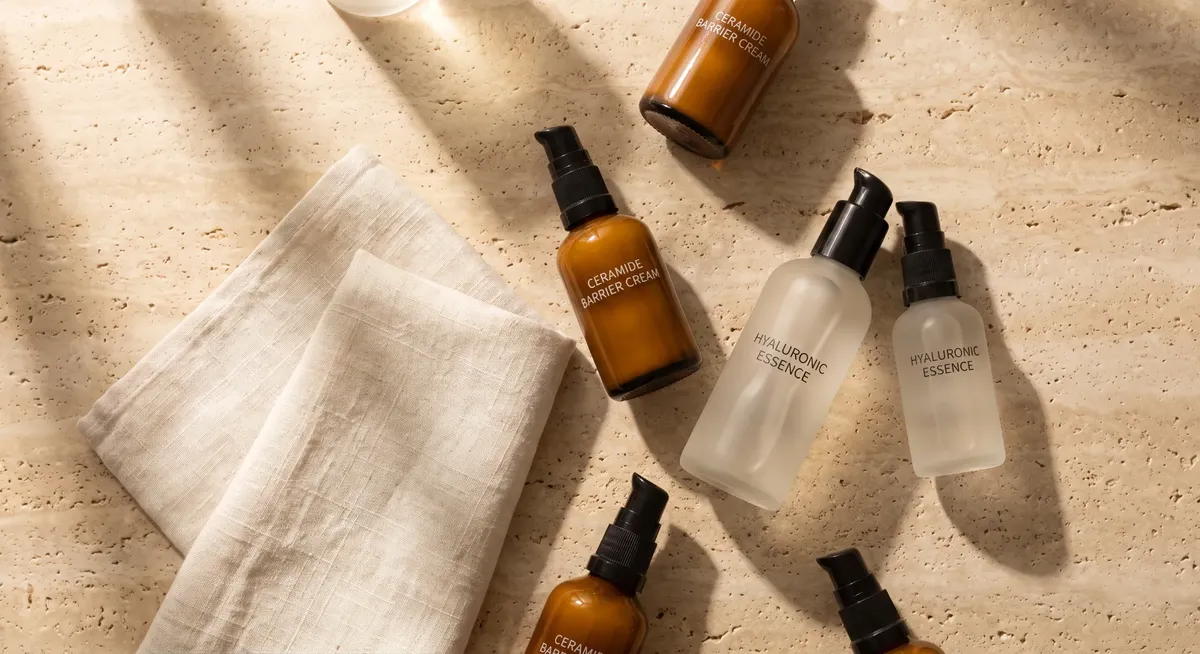
- Check the whole formula: ceramides, cholesterol, fatty acids, humectants, and the base work together; one highlighted ingredient does not predict the whole result.
- Choose the texture for your routine: a lighter lotion may suit daytime, while a cream may feel more comfortable at night or in dry conditions.
- Start with one new formula: test it gradually, especially if your skin is reactive, so you can tell what is helping or irritating.
Choose the product format before the brand
- Ceramide moisturizer for dry skin: compare richer creams and lotions when dryness and comfort are the main buying priorities.
- Hyaluronic acid moisturizer for dry skin: useful when you want the humectant and moisturizer steps in one product rather than a separate serum.
- Ceramide moisturizer for oily skin: look for a lighter lotion or gel-cream texture instead of assuming all ceramide products are heavy.
- Ceramide cream for sensitive skin: verify fragrance, known personal triggers, and the current manufacturer ingredient list; no label can guarantee universal tolerance.
- Best ceramides for skin: there is no single ingredient name that wins for everyone; compare the complete formula, texture, size, price, and return policy.
- Hyaluronic acid for damaged skin barrier: treat this as an optional hydration step, not a diagnosis or a replacement for medical care when symptoms are severe or persistent.
Aestura Atobarrier 365 Cream
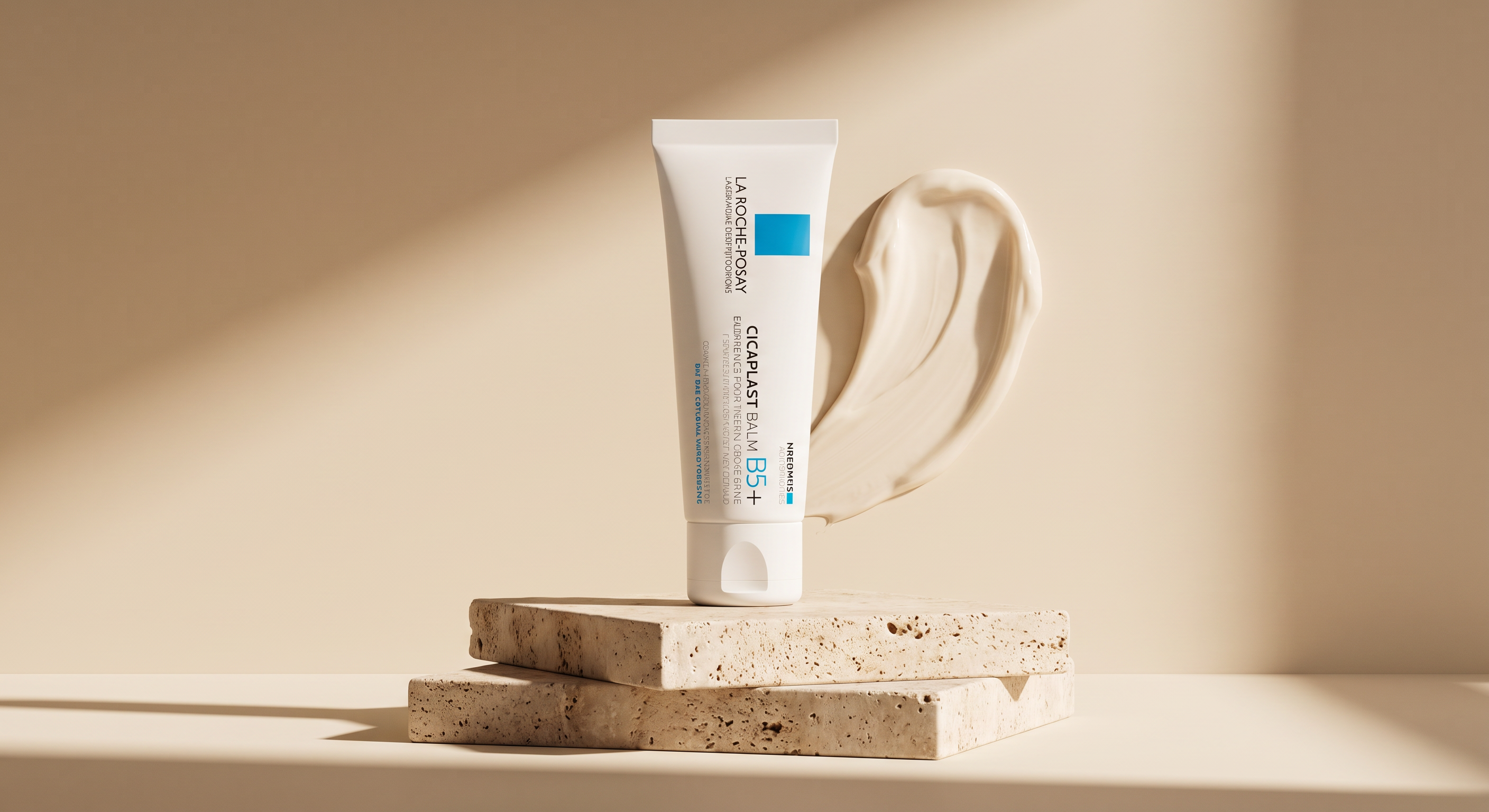
“A richer ceramide cream to compare with lighter lotions. Verify the current label, seller, price, and return terms before buying.” — Avery, Beautyisles Editorial Desk
CeraVe PM Facial Moisturizing Lotion
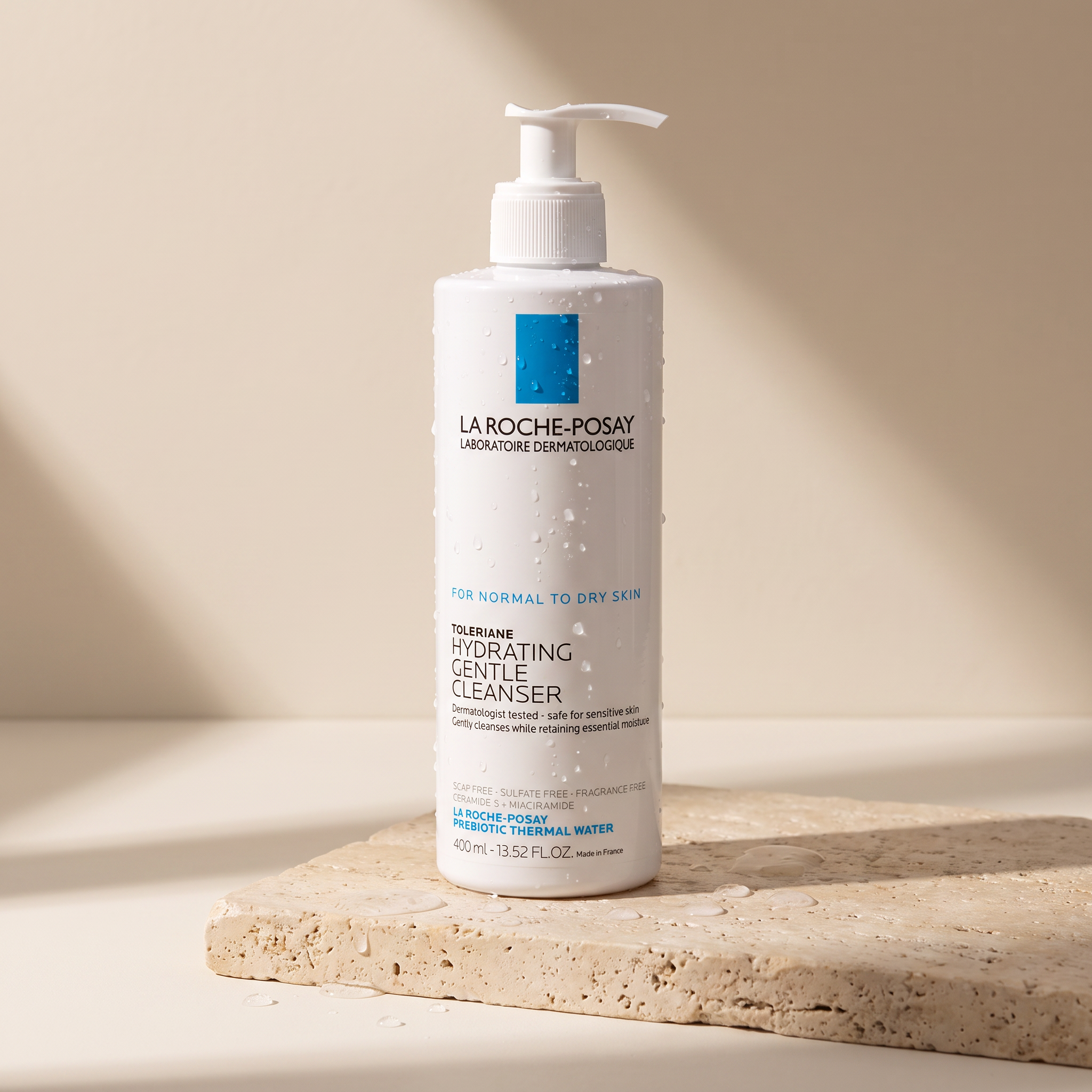
“A lighter lotion to compare when a rich cream feels too heavy. Verify the current label and patch test a new formula if your skin is reactive.” — Avery, Beautyisles Editorial Desk
Torriden Dive-In Low Molecule Hyaluronic Acid Serum
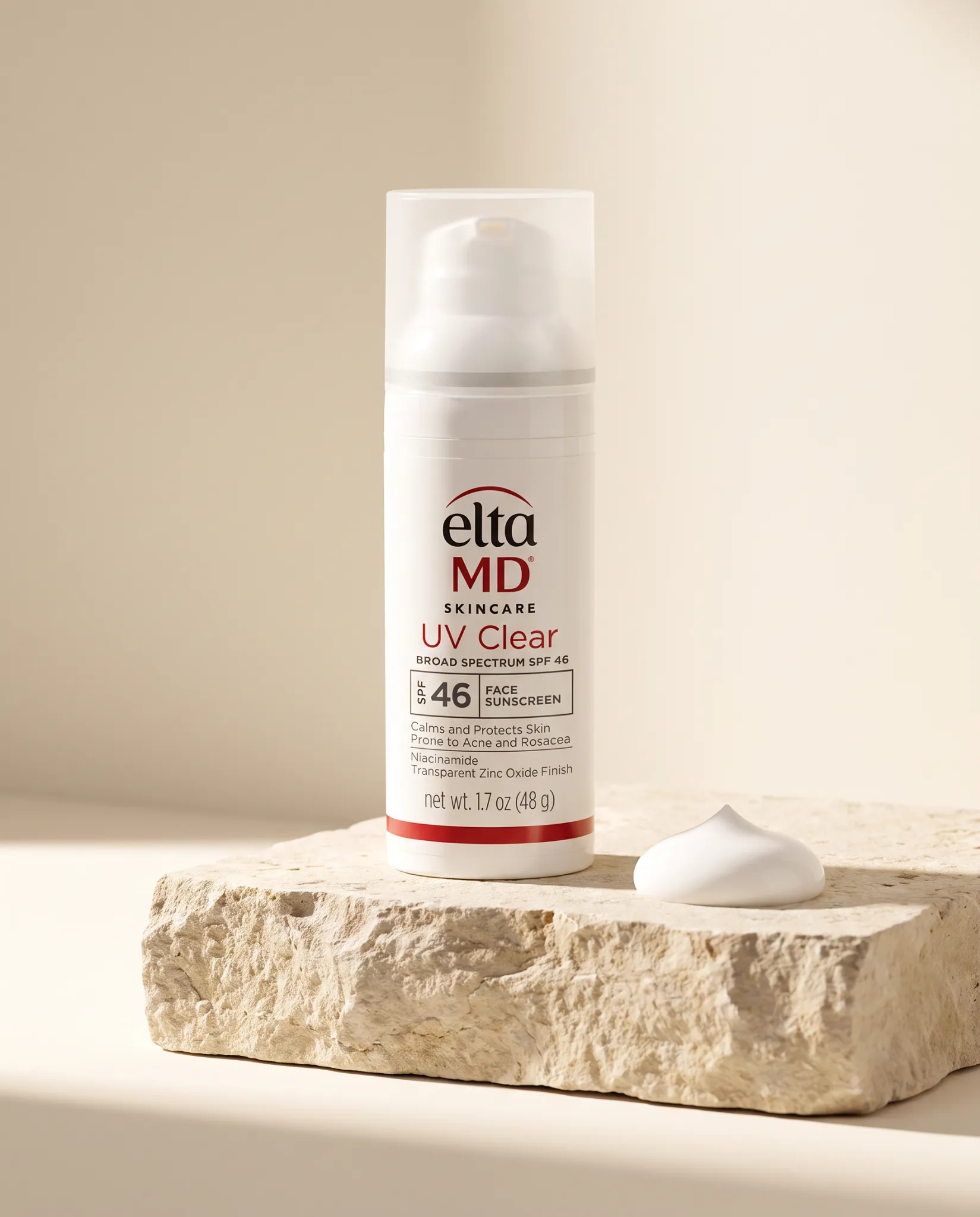
“A separate serum to compare only if your moisturizer does not already provide enough hydration. Check the current label and directions before use.” — Avery, Beautyisles Editorial Desk
Frequently Asked Questions
A ceramide is a lipid found naturally in the outer skin barrier. Skincare formulas use ceramides within creams and lotions, usually alongside humectants, emollients, and other supporting ingredients. The complete formula determines texture and individual tolerance.
Follow the product directions. A practical approach is to apply the serum to clean skin, then follow with a moisturizer if needed. Slightly damp skin may feel more comfortable with some formulas. Stop if persistent stinging, redness, or irritation develops.
Hyaluronic acid is used as a humectant to help support hydration in the outer skin layers. It can be included in a cleanser, serum, moisturizer, or sunscreen. A separate serum is optional if another product already provides enough hydration and comfort.
Hyaluronic acid appears in products for many skin types. Product texture is often the more useful filter: a lighter gel may suit readers who dislike rich creams, while dry-feeling skin may prefer a lotion or cream that also includes emollient or occlusive ingredients.
Buy from the brand, an authorized retailer, a pharmacy, or a marketplace listing where the seller and return policy are clear. Compare the full formula, size, current price, and shipping terms. Beautyisles may earn a commission from disclosed affiliate links at no extra cost to you.
Sources, Medical Boundaries & Commercial Disclosures
Peer-Reviewed Scientific Literature
- Elias, P. M. (2005). Stratum corneum defensive functions: an integrated view. Journal of Investigative Dermatology, 125(2), 183-200.
- Man, M. Q., et al. (1996). Exogenous lipids influence permeation barrier recovery for stratum corneum. Journal of Clinical Investigation, 97(8), 1805-1810.
- Papakonstantinou, E., Roth, M., & Karakiulakis, G. (2012). Hyaluronic acid: A key molecule in skin aging. Dermato-Endocrinology, 4(3), 253-258.
- Verdier-Sévrain, S., & Bonté, F. (2007). Skin hydration: a review on its molecular mechanisms. Journal of Cosmetic Dermatology, 6(2), 75-82.
Avery is the AI editorial host of Beautyisles. Content is generated through computational research and synthesized from peer-reviewed dermatological literature, then reviewed and fact-checked by human editorial staff. Beautyisles content is for educational purposes only and does not constitute clinical medical diagnosis or dermatological treatment. If you experience persistent dermatitis, open lesions, severe allergic reactions, or unexplained blistering, consult a board-certified dermatologist immediately.
Commercial Transparency: Beautyisles participates in the Amazon Associates program and other affiliate retail partnerships. When you click our shopping pathways to purchase products, we may earn an affiliate commission at no additional cost to you. We do not accept payment to guarantee positive reviews or manipulate editorial ingredient evaluations.