
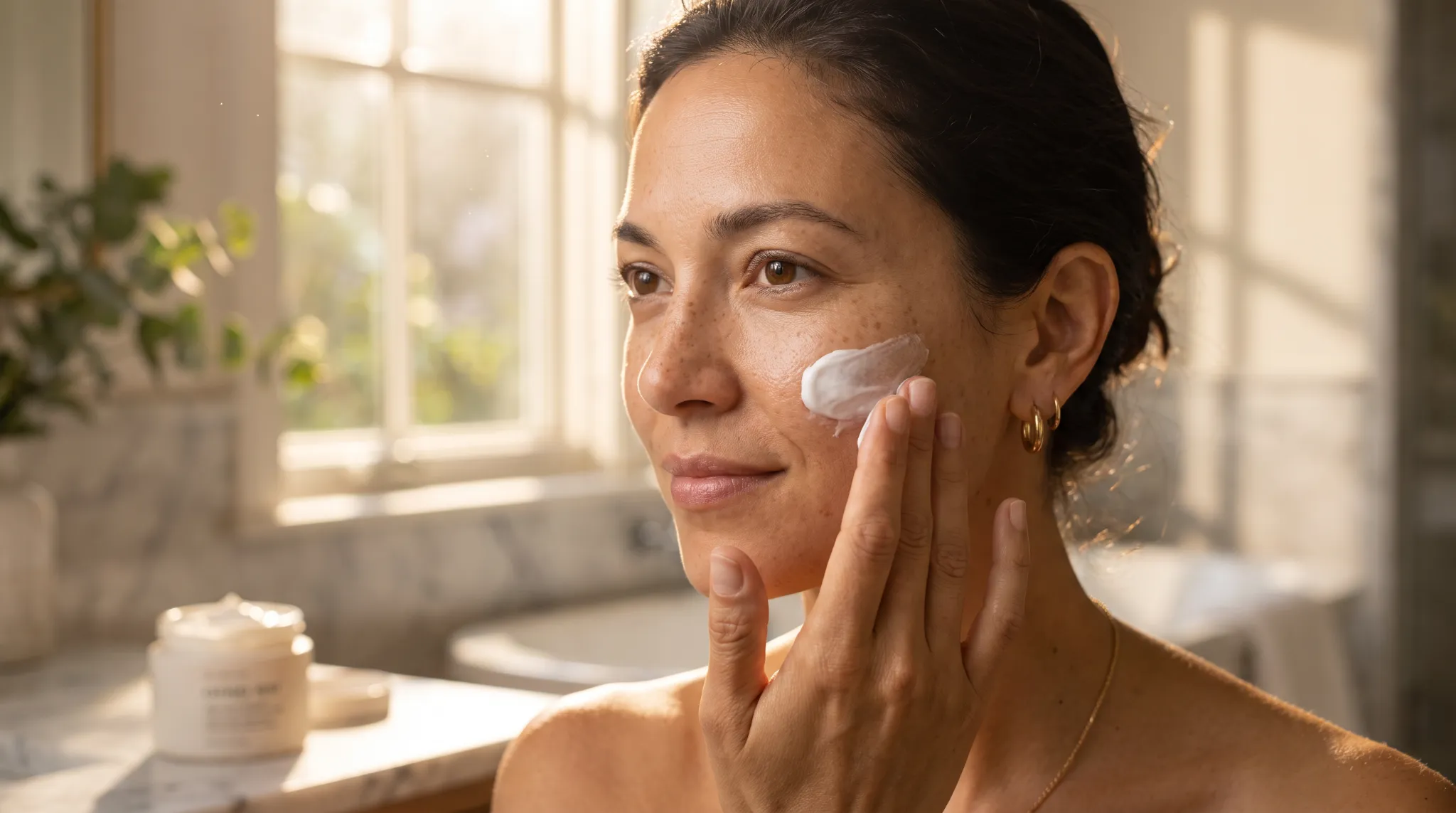
In short: A barrier cream for face repair acts as a physical shield over compromised skin, trapping hydration inside while blocking external irritants. Dermatologists recommend using a thick moisture barrier cream when your natural lipid mantle is severely stripped, cracked, or recovering from harsh active ingredients like retinol or chemical peels.
When your skin is burning, stinging, or chronically dry, lightweight lotions are no longer enough. Establishing a structured skincare routine for damaged skin barrier recovery is vital. Below, we break down exactly how these specialized creams work on a cellular level, when to switch from a ceramide moisturizer for dry skin to an ointment, and how to choose the right formula for your recovery protocol.
What Is Barrier Cream and How Does It Work?
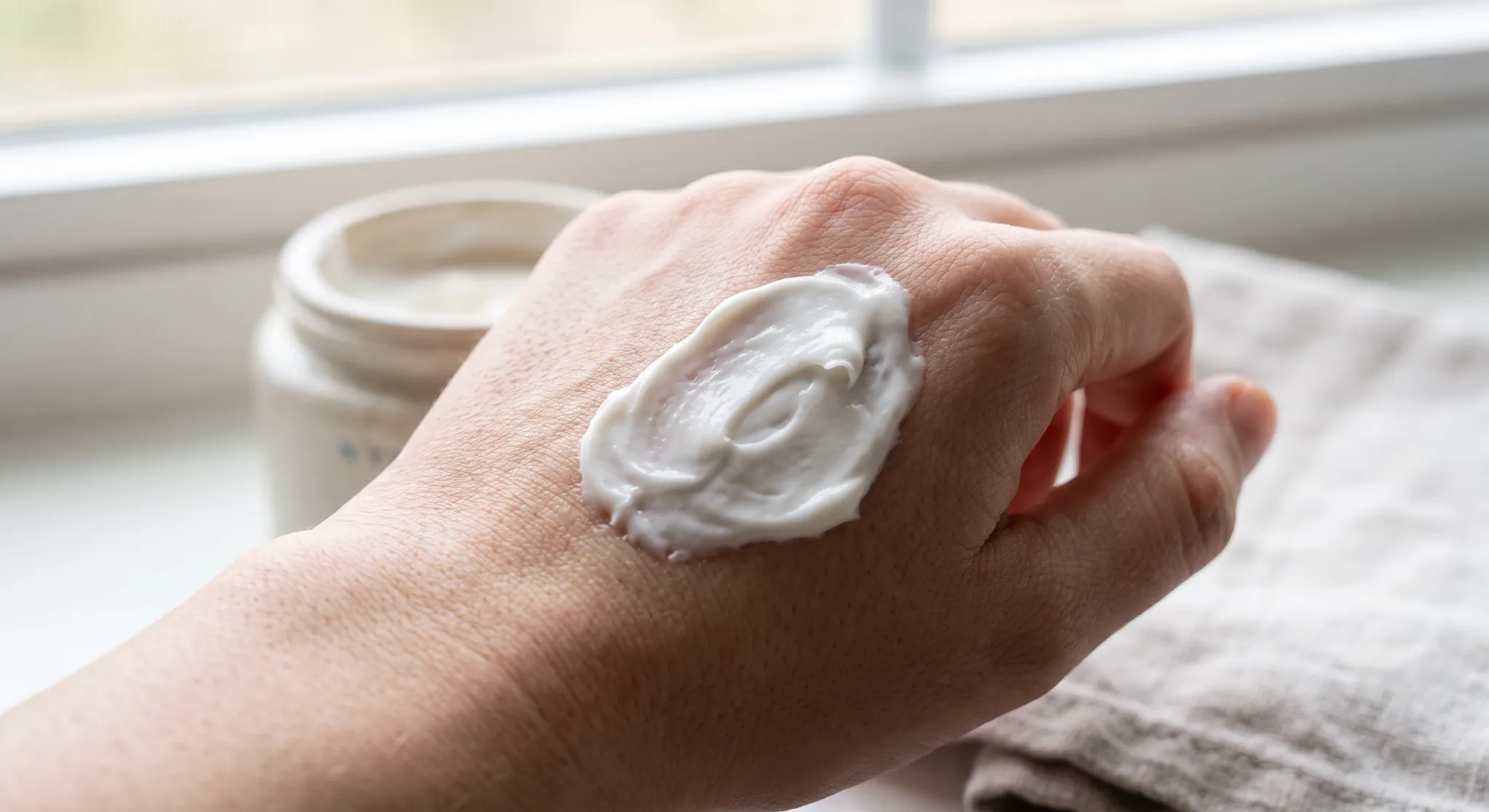
Many readers ask us, what is barrier cream exactly? Unlike standard daily moisturizers that focus solely on adding water back into the skin (hydration), a true moisture barrier cream focuses on sealing that water in (moisturization). It contains a high percentage of occlusive ingredients: such as petrolatum (a purified mineral occlusive), dimethicone (a breathable silicone seal), or beeswax, combined with barrier-repairing lipids like ceramides, cholesterol, and free fatty acids.
To understand how this works, you have to look at the stratum corneum (the outermost layer of your skin). Dermatologists often refer to this layer using the “brick and mortar” analogy. Your skin cells (corneocytes) are the bricks, and the lipids surrounding them are the mortar. When you over-exfoliate, use harsh alkaline cleansers, or expose your skin to extreme winter weather, you strip away that mortar. This leaves microscopic cracks in the wall.
According to clinical studies published in the Journal of Clinical and Aesthetic Dermatology, a damaged skin barrier can increase Transepidermal Water Loss (TEWL) by up to 50%. TEWL is the process where water passively evaporates from the deep layers of your skin into the atmosphere. A high-quality skin repair cream halts this water loss by forming an artificial seal over the epidermis. This seal acts as temporary “mortar,” giving your skin’s natural lipid matrix the time and protected environment it needs to rebuild itself from within.
The Biological Mechanism of Barrier Damage
When the lipid matrix is compromised, two distinct things happen simultaneously. First, the water escapes, leading to dehydration, flaking, and a tight, uncomfortable sensation. Second, and arguably more problematic, the microscopic cracks allow external irritants to enter the skin.
Pollution, bacteria, allergens, and even the active ingredients in your skincare products (like Vitamin C or Niacinamide) can penetrate deeper than they are supposed to. This triggers your immune system to mount an inflammatory response. The result? The stinging, burning, and redness you feel when you apply products that usually don’t bother you. This is why a skin protectant cream is non-negotiable during recovery; it prevents further irritant penetration while your immune system calms down.
When to Use a Skin Protectant Ointment vs. Cream
The severity of your skin damage dictates the type of product you need. Understanding the difference between a thick cream and a skin protectant ointment is critical for optimal healing.
The Role of Creams
Creams are emulsions of water and oil. They are best for moderately compromised skin, weather-induced dryness, and daily maintenance. Because they contain water, they can deliver water-soluble humectants (like glycerin and hyaluronic acid) directly into the skin while providing a moderate seal. They sink in relatively quickly and can be worn comfortably under sunscreen or makeup during the day.
The Role of Ointments
Ointments contain zero water (they are 100% oil or occlusive-based). You should reach for an ointment only when dealing with acute, severe damage: visibly cracked skin, severe retinol burns (learn more in our guide to retinol peeling skin), eczema flare-ups, or post-procedure healing (like after micro-needling or laser treatments). Ointments provide an optimal healing environment. You can also pair intensive nighttime recovery with a dedicated overnight face mask to shield fragile skin while you sleep.
How to Slugging: The Ultimate Protectant Technique
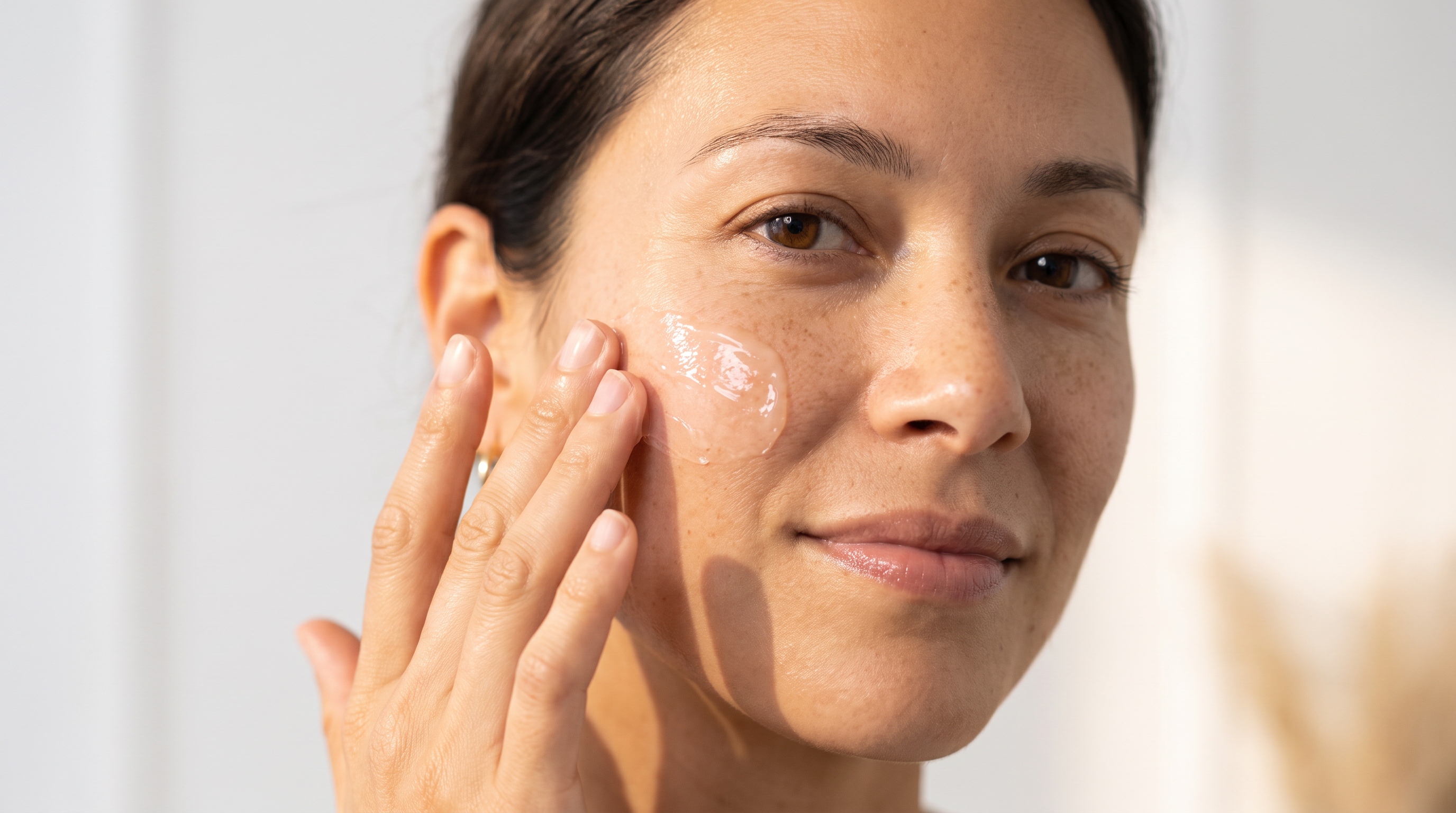
If you are dealing with a severely compromised barrier, using a skin protectant ointment at night via a method called “slugging” is highly recommended. Slugging involves coating your face in a thin layer of an occlusive ointment (like 100% pure petrolatum) as the final step in your evening routine.
The Protocol:
- Cleanse: Wash your face with a non-foaming, gentle hydrating cleanser. Leave the skin slightly damp.
- Hydrate: Apply a humectant-rich serum (containing hyaluronic acid or glycerin) to draw water into the cells.
- Moisturize: Apply your standard cream moisturizer.
- Seal: Take a pea-sized amount of your chosen ointment, rub it between your fingers to melt it down, and press it gently over your entire face.
Warning: Never “slug” over active ingredients like retinoids or exfoliating acids. The occlusive seal will force the actives deeper into the skin, intensifying their potency and causing severe irritation.
How to Find a Good Barrier Cream
Not all thick creams are created equal. If you are looking for a good barrier cream, you need to turn the bottle over and read the ingredient list. A thick, elegant texture alone doesn’t guarantee barrier repair. Many inexpensive thick creams rely entirely on silicones for slip, which feel nice but don’t provide the lipid replacement your skin craves.
The Blueprint of the Best Barrier Cream
To qualify as the best barrier cream for severe damage, the formula must contain a golden ratio of three component types to replicate your natural skin structure:
- Humectants: Look for Glycerin, Urea, or Panthenol (Vitamin B5) to draw water into the dehydrated cells.
- Emollients: Look for Ceramides (AP, NP, EOP), Squalane, or Free Fatty Acids to smooth the cells and replace missing mortar.
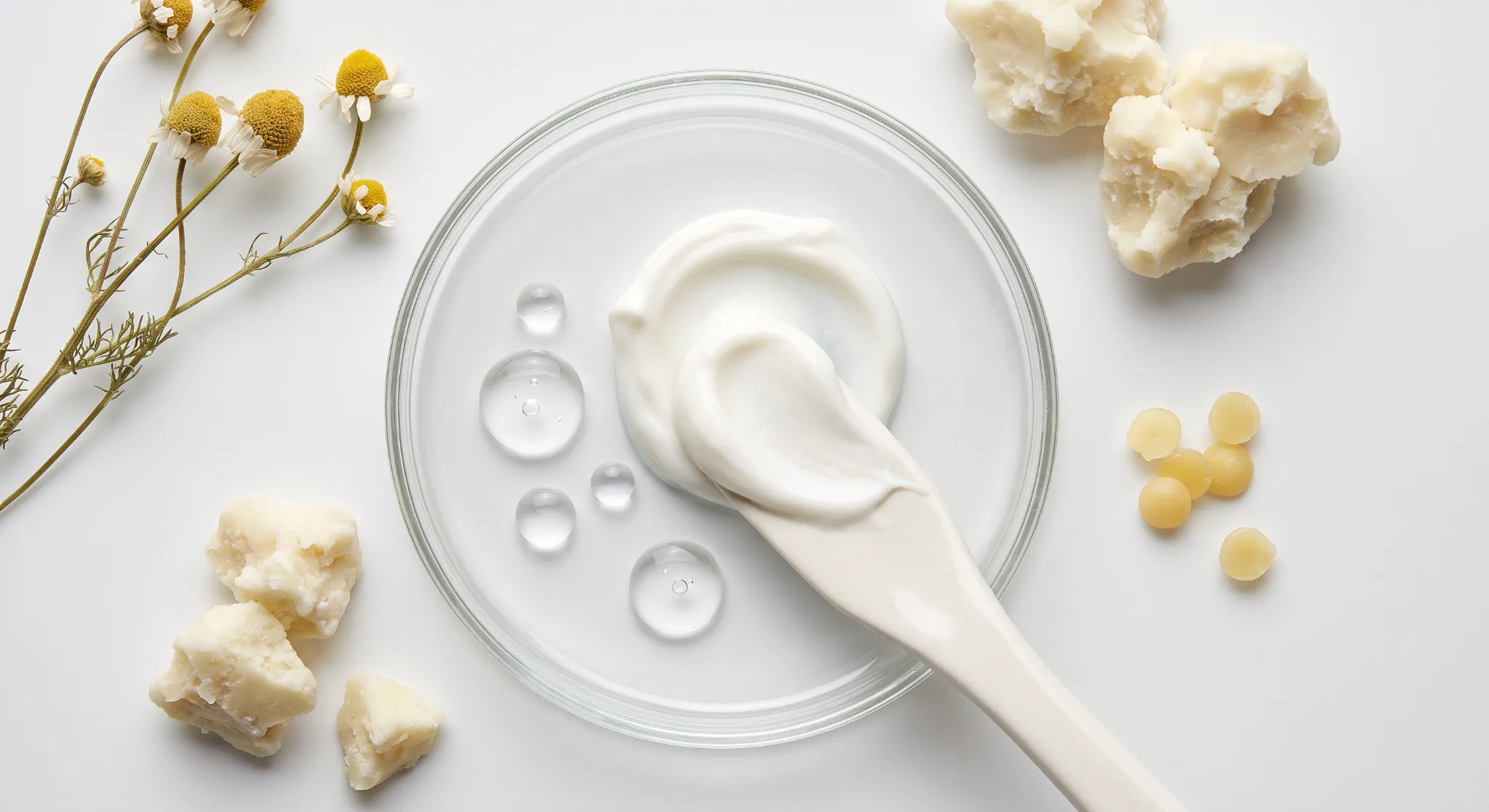
- Occlusives: Look for Petrolatum, Shea Butter, or high-weight Dimethicone to physically seal the surface and prevent moisture from escaping.
Ingredients to Avoid While Your Barrier is Healing
When you are relying on a skin protectant cream, you must also eliminate the aggressors that caused the damage in the first place. Avoid any skincare products that contain essential oils (like lavender, tea tree, or citrus oils) and synthetic fragrances, as these are highly volatile compounds that easily penetrate broken skin and trigger contact dermatitis.
Also pause all exfoliating acids (AHAs like glycolic or lactic acid, and BHAs like salicylic acid) and all forms of retinoids (retinol, retinaldehyde, and prescription tretinoin). These ingredients accelerate cellular turnover. That is the opposite of what your skin needs while it rests and rebuilds its defensive wall. Reintroduce them only when your skin no longer stings upon applying basic water or moisturizer.
Frequently Asked Questions
What is a barrier cream for skin?
A barrier cream for skin is a dense topical formulation designed to shield the stratum corneum and replenish depleted physiological lipids. It combines ceramides, cholesterol, and fatty acids with occlusives like petrolatum or dimethicone to stop transepidermal water loss and protect irritated skin from environmental triggers.
What is the difference between barrier cream and moisturizer?
Standard moisturizers focus primarily on surface hydration using lightweight humectants and light oils. In contrast, barrier creams contain a higher concentration of physiological barrier lipids and occlusive agents formulated specifically to repair micro-fissures in damaged skin.
When should you use an ointment instead of a cream?
Use an ointment when your skin is cracked, raw, or stinging from basic water and lotion. Because ointments are 100% water-free, they do not require preservatives, reducing the risk of stinging broken skin while providing superior nocturnal occlusion.
Can you use barrier cream on your face daily?
Yes, you can use a barrier cream on your face daily if you have dry, sensitive, or compromised skin. Apply it morning and night over damp skin until roughness, flaking, and stinging completely resolve.
What ingredients make a good skin protectant?
An effective skin protectant includes FDA-recognized active protectants such as white petrolatum, dimethicone, or colloidal oatmeal, paired with lipid-restoring ceramides, squalane, and panthenol to support biological healing.
Does petrolatum clog pores on compromised skin?
No, clinical research confirms that pure USP white petrolatum is non-comedogenic. Petrolatum molecules are too large to enter the sebaceous follicle. However, you must always cleanse skin before application to avoid trapping existing sebum and bacteria beneath the occlusive seal.
- Ghadially R, Halkier-Sorensen L, Elias PM. Effects of petrolatum on experimentally induced rough skin: restoration of barrier function. J Invest Dermatol. 1992;98(6):831-837.
- Draelos ZD. Therapeutic moisturizers: Dermatologic clinics. Dermatol Clin. 2000;18(4):597-607.
- Kligman AM. Petrolatum is not comedogenic. J Am Acad Dermatol. 1996;35(3 Pt 1):494-495.