
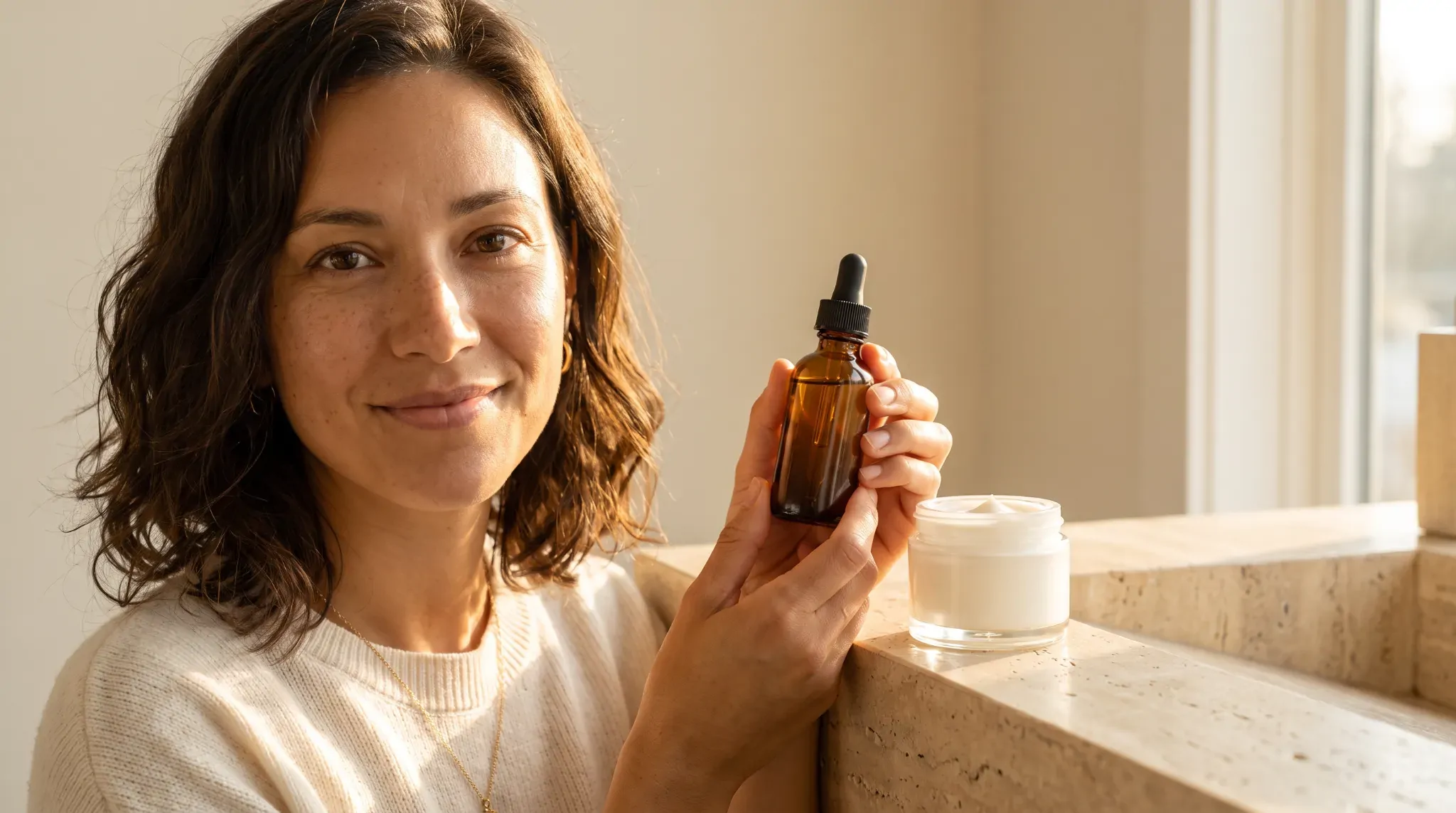
- Different roles: Ceramides are part of the skin’s lipid barrier; hyaluronic acid is a humectant used for hydration.
- Choose the formula, not the buzzword: A moisturizer’s full composition and texture matter as much as any highlighted ingredient.
- Layering can be simple: If you use a separate serum, follow it with a moisturizer while your skin still feels comfortably hydrated.
- Dry-air comfort is individual: If a serum leaves your skin feeling tight, change the amount, follow with moisturizer, or use a different formula.
- Know when to stop testing: Painful, swollen, oozing, or persistent symptoms need a clinician. They do not need another skincare layer.
Ceramide Moisturizer for Dry Skin: What It Does
Applying a quality face moisturizer with ceramides replenishes vital lipids in the stratum corneum. A dedicated ceramide face moisturizer pairs barrier lipids with a nourishing cream or lotion base. When searching for moisturizers containing ceramides, choosing balanced formulas with cholesterol and fatty acids yields the best restorative results. Hyaluronic acid is different. It is a humectant used to bind water in the outer skin layers.
Seeing the difference helps you compare complete formulas. You can judge what job a product is meant to do instead of paying for a front-label ingredient alone.
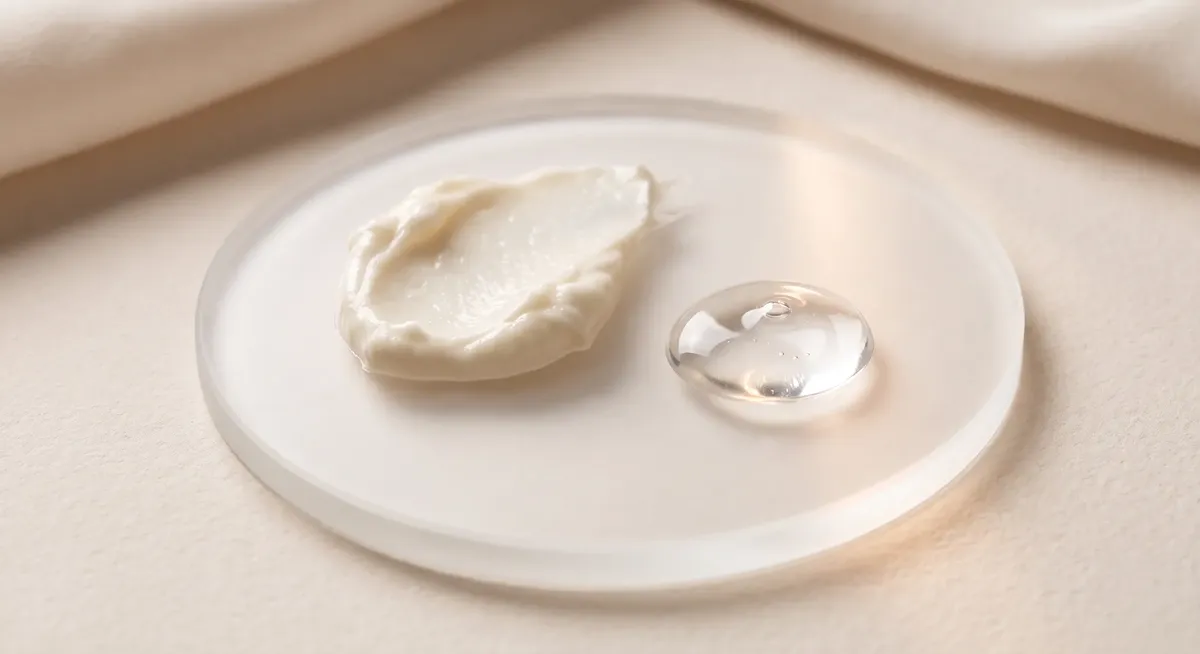
In skin science, your outermost skin barrier (the stratum corneum) works like a brick wall:
- The Bricks (Corneocytes): Flattened cells containing keratin and natural moisturizing factors.
- The Mortar (the lipids between cells): A lipid mixture that includes ceramides, cholesterol, and free fatty acids.
Why barrier lipids work as a group
The outer barrier is built from ceramides, cholesterol, and free fatty acids. A well-known laboratory study found that applying all three together supported barrier recovery. Applying only one or two did not work as well (Man et al., Archives of Dermatology, 1995).
That finding comes from laboratory skin, not a promise about any jar. It does explain why a complete formula usually matters more than one star ingredient.
A moisturizer may include both ingredient types, and that can be convenient. The full formula, how much you apply, the climate, and your individual tolerance matter more than treating either ingredient as a stand-alone fix.
Humectants, Emollients, and Occlusives: Three Jobs
Most moisturizers mix three types of ingredient. Knowing the job of each one makes a label much easier to read.
Humectants bind water
Humectants attract and hold water in the upper skin layers. Glycerin, hyaluronic acid, and panthenol are common examples. They add hydration, but they do not seal it in on their own.
Emollients soften the surface
Emollients fill the small gaps between surface skin cells. The skin then feels smoother and more flexible. Many plant oils, fatty alcohols, and esters do this job.
Occlusives slow water loss
Occlusives form a light film that slows water leaving the skin. Petrolatum, dimethicone, and some waxes work this way. That is why a rich cream can feel more protective in cold or dry air. When you need to choose between a cream and a heavier ointment, our guide to skin protectant cream compares the two formats.
Choosing a balanced moisturizer with ceramides and hyaluronic acid provides both water-binding hydration and lipid sealing in one step. A lightweight hyaluronic acid moisturizer for dry skin pulls water into the epidermis, while a rich ceramide based moisturizer locks in that hydration.
Ceramide Moisturizer for Dry Skin vs. Hyaluronic Acid
Choose by product format and the job you need, not by declaring one ingredient a universal winner.
A ceramide moisturizer may suit readers who want a cream or lotion with lipid and emollient support. A hyaluronic acid serum adds a separate humectant step, but it does not replace every function of a moisturizer. When skin is stinging, red, peeling, or painful, avoid judging the cause from an ingredient label alone.
- Ceramide moisturizers: Combine ceramides with a cream or lotion base that may also contain humectants, emollients, and occlusives.
- Hyaluronic acid products: Use a humectant ingredient to support surface hydration; the surrounding formula determines the final feel and performance.
If budget or simplicity limits you to one product, choose a complete moisturizer. It is generally more versatile than a single-purpose serum. It can combine several ingredient functions in one step.
Hyaluronic Acid in Dry Weather
Some people report that a hyaluronic acid serum feels tight in dry or air-conditioned environments, while others tolerate it well.
Humectant performance depends on the complete formula and the rest of the routine. Applying a serum to comfortably damp skin and following it with a moisturizer may improve the feel for some users.
If tightness or irritation develops, reduce the amount, follow with a moisturizer, switch formulas, or stop using the product. Severe or persistent symptoms need clinical assessment rather than more layering.
Molecular-weight claims are often used in marketing, but they do not predict how every finished product will feel on every person. Patch test a new formula and judge the product by comfort, directions, and consistent use.
Using hyaluronic acid in low humidity
In dry air, a humectant can pull moisture from deeper skin if there is little water around it to grab. The fix is easy. Apply the serum to skin that is still damp from cleansing. Then seal it with a moisturizer that contains an emollient or occlusive.
A light hydrating mist before the serum can add a little surface water. Follow with cream while the skin still feels damp. If tightness continues, the product or the amount may be the wrong fit.
Using Ceramides and Hyaluronic Acid Together
Yes. The ingredients can appear in one formula or in separate products, and there is no general conflict between them.
A simple way to think about the combination is:
- Hyaluronic acid is used as a humectant within the hydration step.
- Ceramides are lipids commonly included in moisturizer formulas.
You do not need two products if one well-tolerated moisturizer already provides the finish and comfort you want.
How to Use Hyaluronic Acid for Skin?
Follow the product directions. If you use a separate serum and moisturizer, this simple sequence is a practical starting point:
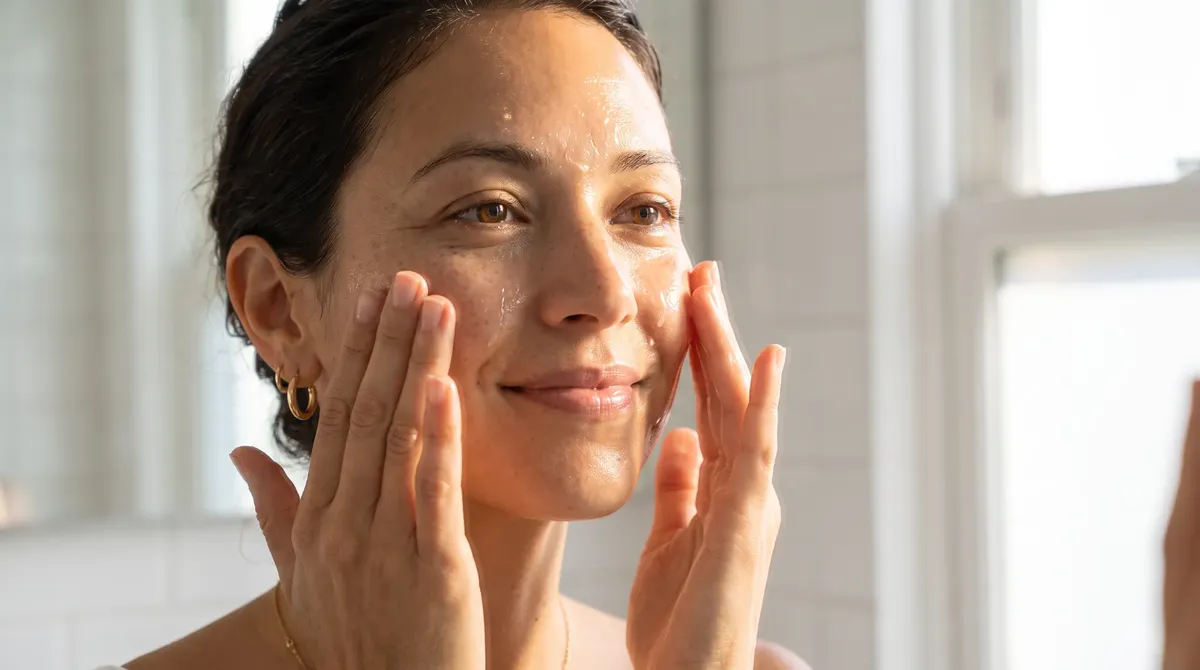
The 4-Step Application Sequence
- Cleanse Gently: Wash with a non-foaming, pH-balanced cleanser and lukewarm water. Do not rub your skin dry with a textured towel; leave skin distinctly damp.
- Apply the serum: Use the amount on the label, usually on clean skin. Slightly damp skin may feel more comfortable for some formulas.
- Let it settle: You do not need an exact timer; continue while the skin still feels comfortable.
- Follow with moisturizer: Apply a lotion or cream if the serum alone does not provide enough comfort.
If you are establishing your core routine from scratch, read our foundational skincare routine for damaged skin barrier before adding optional serums.
Reading Ceramide Moisturizer Labels
Not all ceramide moisturizers have the same texture or supporting ingredients. Read beyond the highlighted ceramide claim and look at the complete ingredient list, directions, package size, and finish.
Barrier-focused formulas may combine three broad lipid groups, but a consumer ingredient list does not reveal the exact finished-product performance:
| Lipid Component | What to notice on a label | Practical shopping context |
|---|---|---|
| Ceramides (NP, AP, EOP) | One or more named ceramides | A useful signal, but not a stand-alone quality score. |
| Cholesterol | May appear alongside ceramides | Part of the broader lipid system used in some formulas. |
| Free Fatty Acids | Examples include stearic or linoleic acid | The total formula and texture still determine product fit. |
When shopping, prioritize a formula you can afford to repurchase and use consistently. If you are sensitive to a known ingredient, compare the current manufacturer label because formulas can change.
What the ceramide names mean
Labels often list Ceramide NP, Ceramide AP, and Ceramide EOP. The letters describe the shape of each lipid molecule, not its strength. A formula that lists several ceramides is not always better than one that lists a single type.
The base around them matters more. A cream built with emollients and occlusives usually feels richer than a watery serum. Match the texture to your skin and climate, then judge it over a few weeks of steady use.
What to Expect From a Ceramide Moisturizer
A moisturizer can improve the feel of dryness, but no fixed online timeline can predict recovery for every cause of irritation. Track comfort and tolerance instead of expecting a fixed repair date.
- Early use. Check whether the texture feels comfortable and whether stinging or redness appears after application.
- Consistent use. Keep the rest of the routine stable so you can judge whether the product helps with dryness and comfort.
- Escalation point. Stop testing and seek professional advice for worsening pain, swelling, oozing, blistering, or a persistent rash.
Why a Moisturizer Stops Feeling Like Enough
If a formula that once felt comfortable now feels thin or tight, the cause is often outside the jar. Work through these common reasons before buying something new.
- The air changed. Cold weather and indoor heating lower humidity. A lighter lotion that worked in summer may feel too light in winter.
- Your cleanser changed. A foaming or strongly scented cleanser can leave skin feeling stripped. Switch to a gentle, non-foaming cream cleanser for dry skin and see if comfort returns.
- You added an active. Retinol, acids, and some acne treatments can make skin feel drier at first. Pause the new active and rebuild with a simple moisturizer.
- You are applying too little. Most people use less moisturizer than the label suggests. Try a slightly larger amount before changing products.
- You are layering too much. Piling on serum after serum can cause pilling, stickiness, or irritation. Fewer, well-chosen steps often feel better.
If dryness comes with pain, swelling, oozing, or a rash that keeps spreading, stop guessing. Those signs need a clinician, not another product.
Ceramides vs. Hyaluronic Acid: Side-by-Side Comparison Matrix
Use this reference matrix to identify which ingredient best matches your current skin condition and your daily climate:
| Attribute | Ceramides | Hyaluronic Acid |
|---|---|---|
| Chemical Class | Lipid (Sphingolipid) | Humectant (water-binding molecule) |
| Primary Biological Job | Provides lipids within a moisturizer formula | Provides a humectant within a serum or moisturizer |
| Best For | Readers seeking a lotion or cream with ceramides | Readers seeking an additional humectant step |
| Dry-air routine | A richer texture may feel more comfortable | Follow with moisturizer if the serum feels tight |
| Routine Step | Moisturizer step | Serum step or part of a moisturizer |
| Buying decision | Compare texture, full formula, size, and price | Decide whether a separate serum adds a useful job |
Ceramide Moisturizer for Dry Skin: Buying Guide
Use the label to match a formula to the job you need. For an emollient, lipid-rich finish, compare ceramide moisturizers. For extra hydration, compare a hyaluronic acid serum or moisturizer. Or choose a formula that combines both. Availability and formula details vary by retailer and region, so verify the current label before buying.
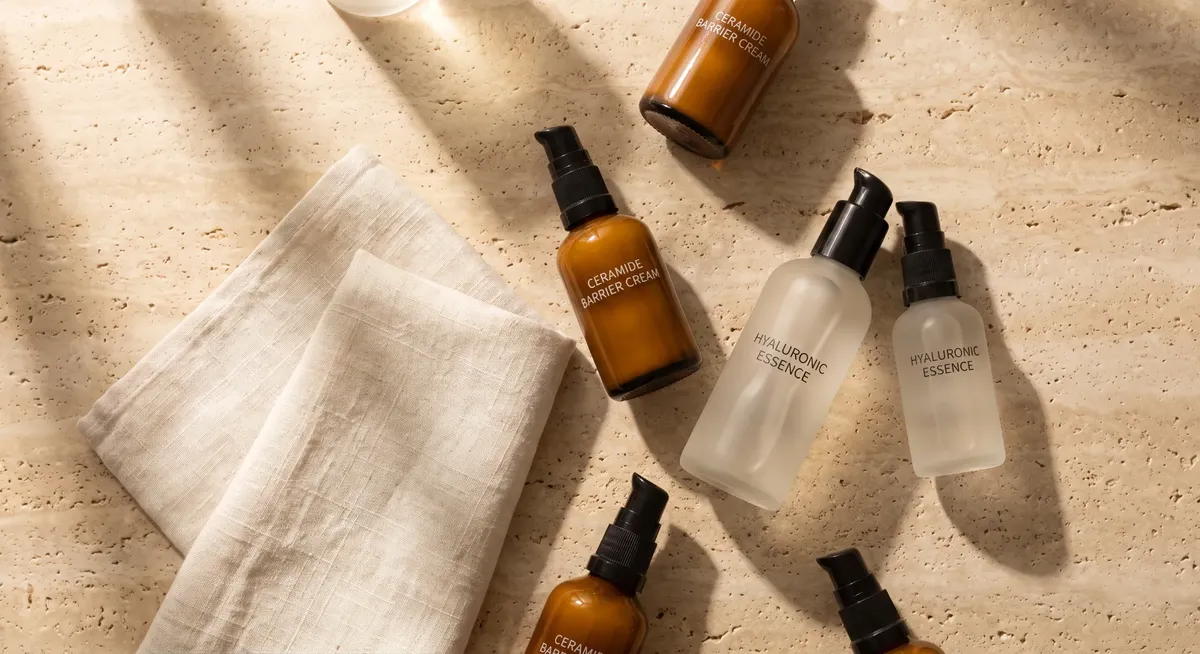
- Check the whole formula: ceramides, cholesterol, fatty acids, humectants, and the base work together; one highlighted ingredient does not predict the whole result.
- Choose the texture for your routine: a lighter lotion may suit daytime, while a cream may feel more comfortable at night or in dry conditions.
- Start with one new formula: test it gradually, especially if your skin is reactive, so you can tell what is helping or irritating.
Choose the product format before the brand
- Ceramide moisturizer for dry skin. Compare richer creams and lotions when dryness and comfort are the main priorities.
- Hyaluronic acid moisturizer for dry skin: useful when you want the humectant and moisturizer steps in one product rather than a separate serum.
- Ceramide moisturizer for oily skin: look for a lighter lotion or gel-cream texture instead of assuming all ceramide products are heavy.
- Ceramide cream for sensitive skin: verify fragrance, known personal triggers, and the current manufacturer ingredient list; no label can promise universal tolerance.
- Best ceramides for skin: there is no single ingredient name that wins for everyone; compare the complete formula, texture, size, price, and return policy.
- Hyaluronic acid for damaged skin barrier. Treat it as an optional hydration step. It is not a medical assessment. It is not a replacement for medical care when symptoms are severe or persistent.
Serum or cream: which to buy first?
If you can only add one product, start with a moisturizer. It usually covers more jobs at once. A separate hyaluronic acid serum makes more sense when your moisturizer already feels comfortable and you want extra surface hydration.
If your skin is oily, a gel-cream or lotion may feel better than a heavy cream. If your skin is dry and the air is cold, a richer cream may be easier to live with. Buy one product at a time so you can tell what is working.
Aestura Atobarrier 365 Cream
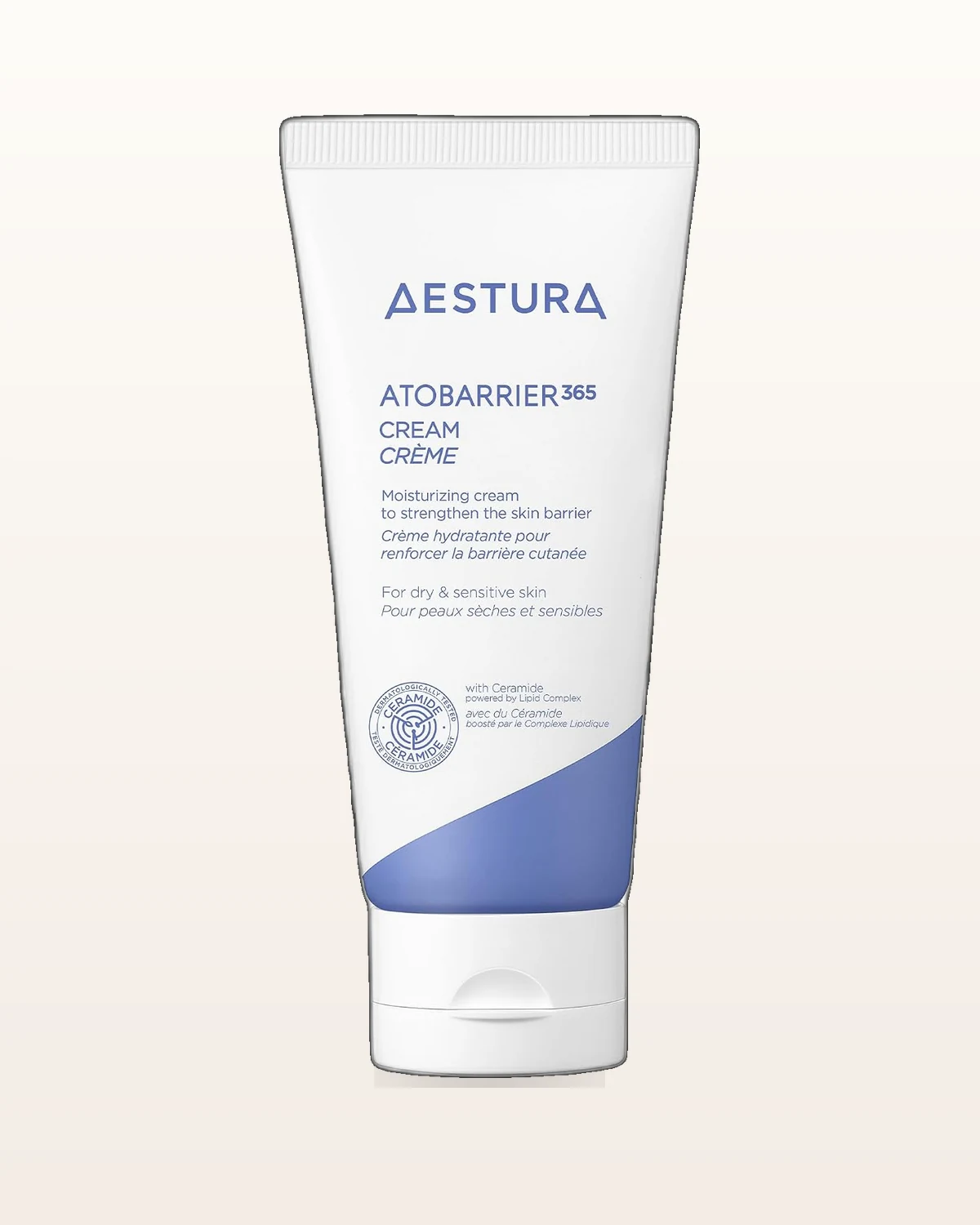
“A richer ceramide cream to compare with lighter lotions. Verify the current label, seller, price, and return terms before buying.” Avery, Beautyisles Editorial Desk
CeraVe PM Facial Moisturizing Lotion
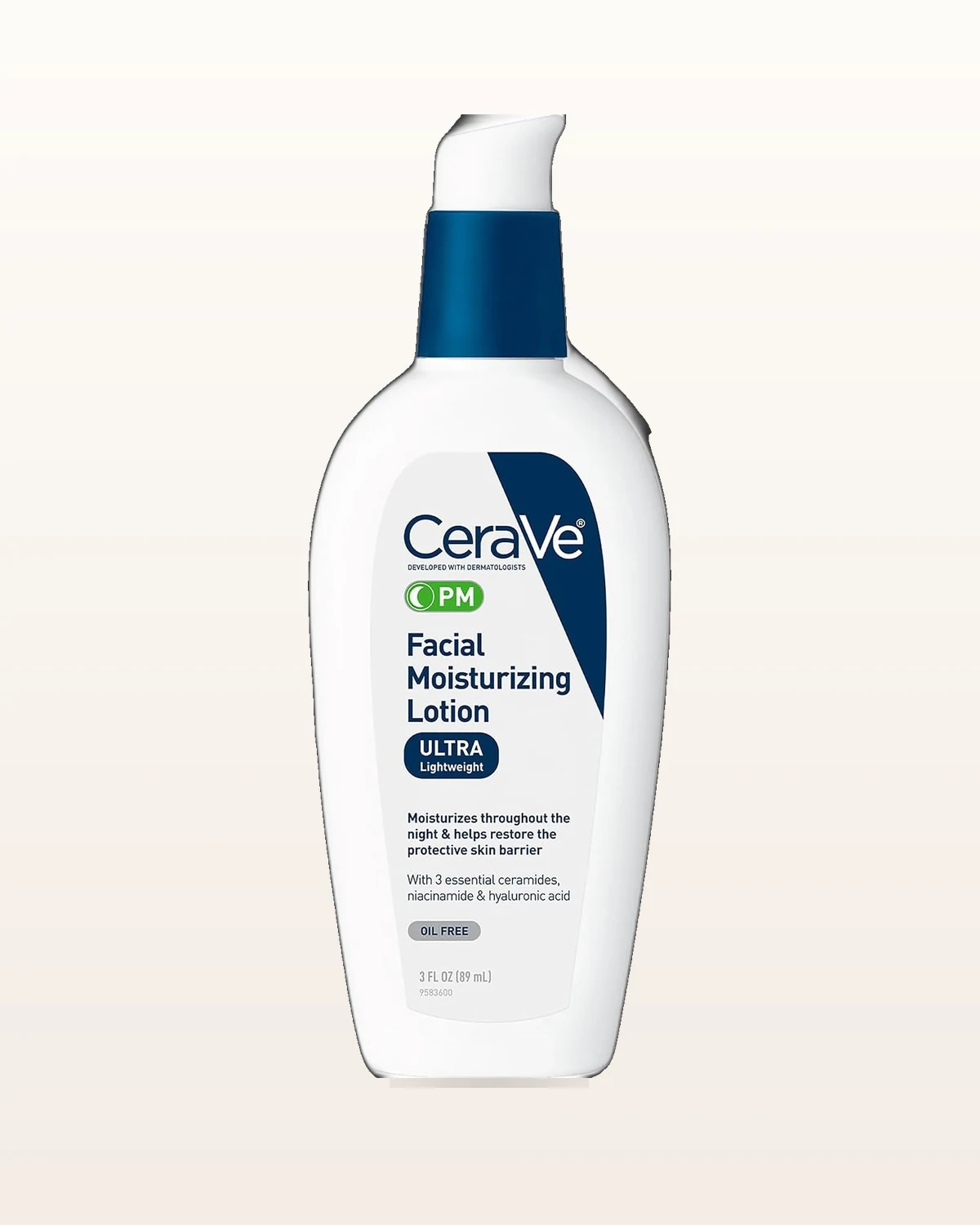
“A lighter lotion to compare when a rich cream feels too heavy. Verify the current label and patch test a new formula if your skin is reactive.” Avery, Beautyisles Editorial Desk
Torriden Dive-In Low Molecule Hyaluronic Acid Serum
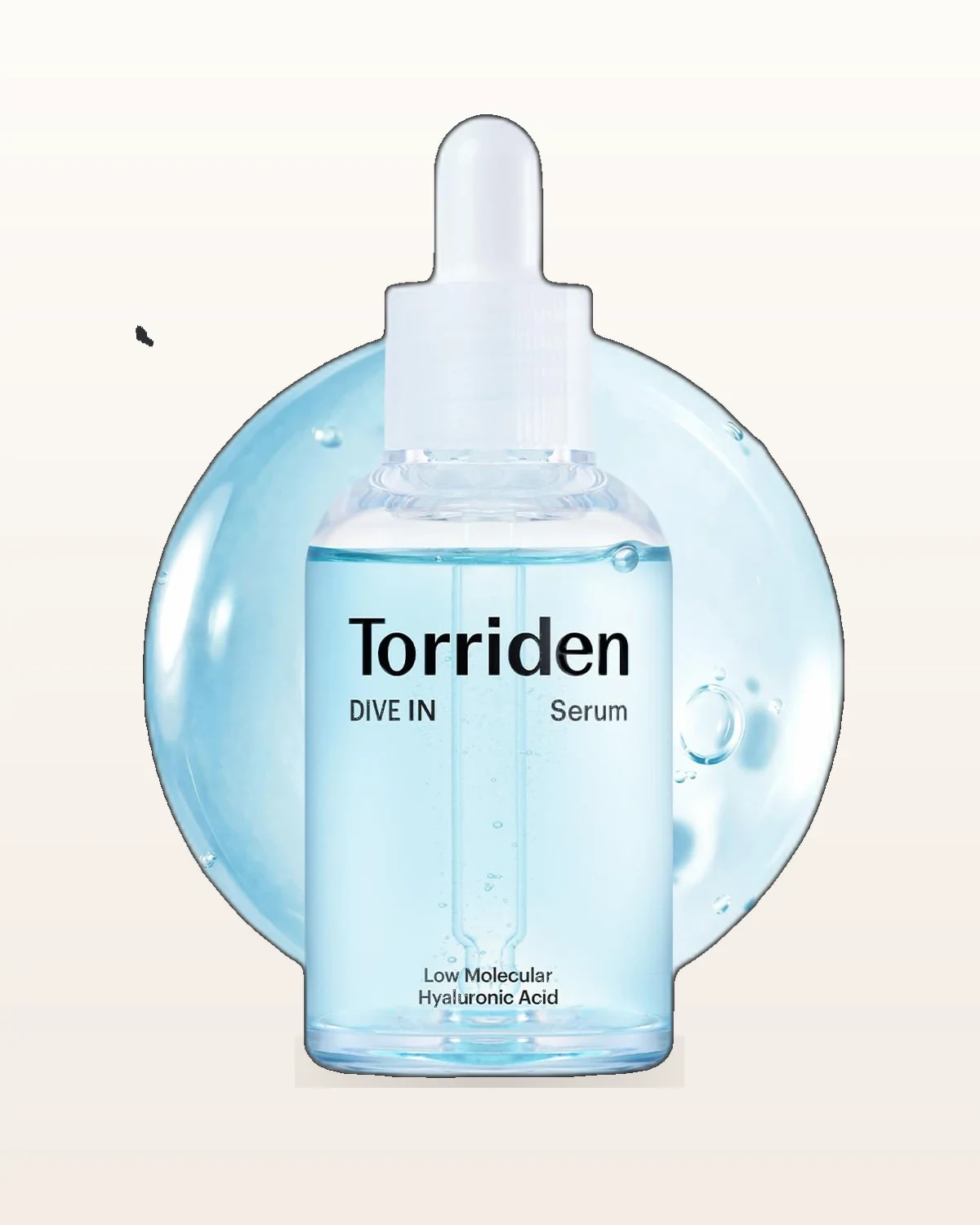
“A separate serum to compare only if your moisturizer does not already provide enough hydration. Check the current label and directions before use.” Avery, Beautyisles Editorial Desk
Frequently Asked Questions
How does hyaluronic acid work?
Hyaluronic acid works as a humectant that attracts and binds water in the outer skin layers. A single molecule can hold up to 1,000 times its weight in water. By pulling moisture into the epidermis, it plumps surface lines and reduces tightness.
How to apply hyaluronic acid?
Apply hyaluronic acid serum directly to clean, damp skin. Gently press two to three drops across your face and neck. While your skin is still slightly damp, apply a ceramide moisturizer immediately to seal that surface water into the skin.
How to use hyaluronic acid?
Use hyaluronic acid twice daily in your morning and evening skincare routines. Apply it after cleansing and before your heavier lotions or creams. In dry weather, always layer a lipid-rich moisturizer over it to prevent moisture evaporation.
What is a ceramide in skin care?
A ceramide is an essential lipid found naturally in your stratum corneum. In skincare products, ceramides restore the intercellular mortar between skin cells. They prevent transepidermal water loss and protect irritated skin from external environmental aggressors.
How to increase ceramides in skin?
To increase ceramides, apply topical moisturizers containing bio-identical ceramides (NP, AP, EOP) and cholesterol. Formulations with niacinamide also stimulate natural ceramide production. Avoid harsh alkaline soaps that wash away your natural barrier lipids.
What is ceramide cream?
A ceramide cream is a rich protective moisturizer formulated to reinforce damaged or dehydrated skin barriers. It blends ceramides with skin-identical lipids and emollients. This creates a soothing seal that shields reactive skin while natural healing occurs.
Sources & Methodology
Every claim in this guide maps to peer-reviewed dermatological research and clinical consensus. We do not publish unverified statistics or brand-supplied figures.
- Elias PM (2005). “Stratum corneum defensive functions: an integrated view.” Journal of Investigative Dermatology 125(2):183-200. Source for stratum corneum barrier structure and the defensive role of the lipid matrix.
- Man MQ, Feingold KR, Elias PM (1993). “Exogenous lipids influence permeability barrier recovery in acetone-treated murine skin.” Archives of Dermatology 129(6):728-738. Source for the finding that ceramides, cholesterol, and free fatty acids must be applied together to support barrier recovery.
- Spada F, et al. (2018). “Skin hydration is significantly increased by a cream formulated to mimic the skin’s own natural moisturizing systems.” Skin Pharmacology and Physiology 31(4):192-204. Source for physiologic lipid ratios and clinical moisturization.
- Rawlings AV (2012). “Recent advances in skin ‘barrier’ research.” Journal of Investigative Dermatology 132(3 Pt 2):866-879. Source for ceramide subclasses and dry skin pathophysiology.
- Pavicic T, et al. (2011). “Efficacy of cream-based novel formulations of hyaluronic acid of different molecular weights in anti-wrinkle treatment.” Journal of Drugs in Dermatology 10(9):990-1000. Source for hyaluronic acid molecular weights and water binding.
- Verdier-Sevrain S, Bonte F (2007). “Skin hydration: a review on its molecular mechanisms.” Journal of Cosmetic Dermatology 6(2):75-82. Source for humectant, emollient, and occlusive mechanisms, and for transepidermal water loss.