- A bullet is wax and oil. More wax means longer wear and a drier feel.
- A fluid-to-film matte leaves a polymer film that resists transfer once it sets.
- A lip liner stops color migrating at the border, where feathering starts.
- Lips have almost no oil glands, so a matte finish flakes faster than on skin.
- Prep decides how evenly any formula wears.
What the Three Lipstick Delivery Systems Actually Do
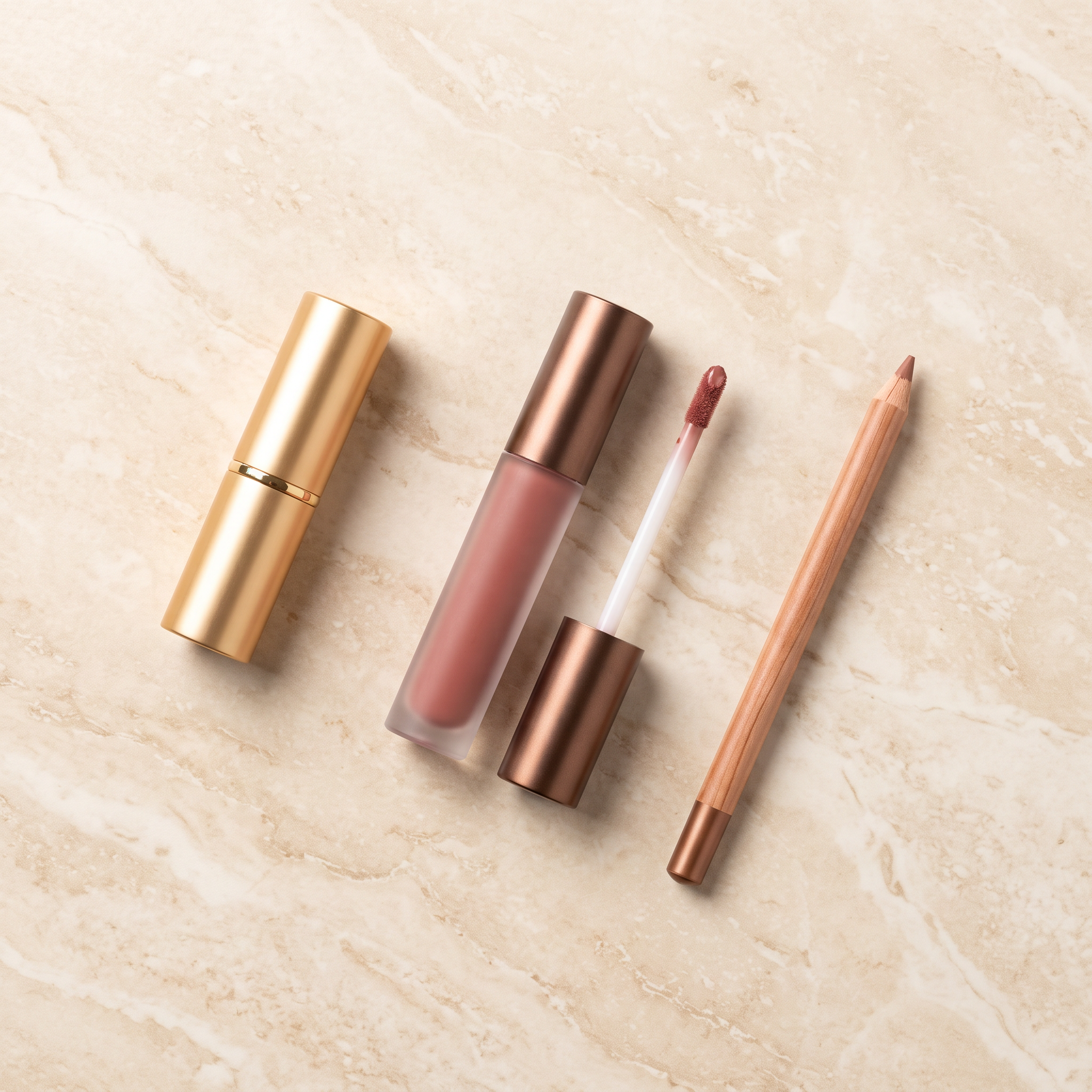
Lipstick is not one product. It is three delivery systems that behave differently on the lip. A bullet is a solid wax-and-oil stick. A fluid is a liquid that dries into a film. A liner is a firm pencil you draw with. Each one decides how the color applies, how long it lasts, and how it fails. This guide covers all three, the finish question, and how to stop color transfer.
Here is the short version of each system.
- Bullet. A solid stick built on a wax phase that gives it structure, with oil inside that phase for glide. It stays movable for minutes, so you can blend or correct the edge after you draw.
- Liquid. A fluid carried in a volatile solvent. The solvent flashes off after you apply it and leaves pigment bound in a thin film. That film is what resists transfer.
- Liner. A stiffer wax-and-pigment pencil, loaded with more pigment than a bullet. It anchors at the vermilion border, which is the colored part of the lip, and the place where color migrates first.
Most guides treat the format as a preference. It is not. The format sets how the product behaves physically, and that behavior decides how you apply it and when it gives up. A bullet that feels comfortable in the shop will move more through the day than a film-based fluid. A fluid that stays put will feel tighter and set faster than a bullet. There is no format that wins on every axis, which is why the choice depends on the day in front of you.
Once you know the three systems, the rest of this page gets practical. You will see why lips behave differently from the rest of your face. You will see how a finish changes the same pigment, how to stop transfer, how to prep, and how to pick a shade. Matching the lip to a base that holds color and texture all day starts with the foundation that sits under the whole look.
Why Lips Behave Differently from the Rest of Your Face
Lips are not like the skin on your cheek. The outer layer of the lip is only three to five cell layers thick. That is about one third of the thickness of facial skin. The lip also has very few oil glands, and no hair follicles or sweat glands at all. Without oil, the lip cannot keep itself smooth. This is why a matte formula cracks and flakes on lips much faster than it would on the cheek.
The comparison is worth stating plainly. Sebaceous glands in the vermilion are described as exceedingly sparse, and hair follicles and sweat glands are absent entirely. The lips cannot secrete enough sebum or sweat to stay smooth and moist on their own. A matte finish deliberately absorbs surface oil, and the lip has almost none to spare.
The outer layer is also incompletely keratinized. The epithelium shifts from keratinized at the outer edge to non-keratinized toward the mouth. Thin, partly non-keratinized skin holds water poorly and lets irritants through more easily. That is the same substrate every lipstick sits on.
Age changes the same structure again. With age the lip vermilion thins, the rete ridges flatten, the number of vessels in the upper dermis drops, and the total vessel area falls. Lip lightness and visible redness both decrease. One finding runs against expectation. Water loss through the lip declines until roughly age 30, then stabilizes. Younger lips actually dry out more easily than older ones. The natural vermilion border also becomes more ambiguous with age, which is why definition matters more than shade intensity later in life.
Two practical rules follow from the anatomy. Prep before you apply any matte, because the lip cannot supply its own oil. And expect a matte finish to show every flake, because there is nothing on the surface to smooth them over.
Matte, Satin or Gloss: How Finish Changes the Same Pigment
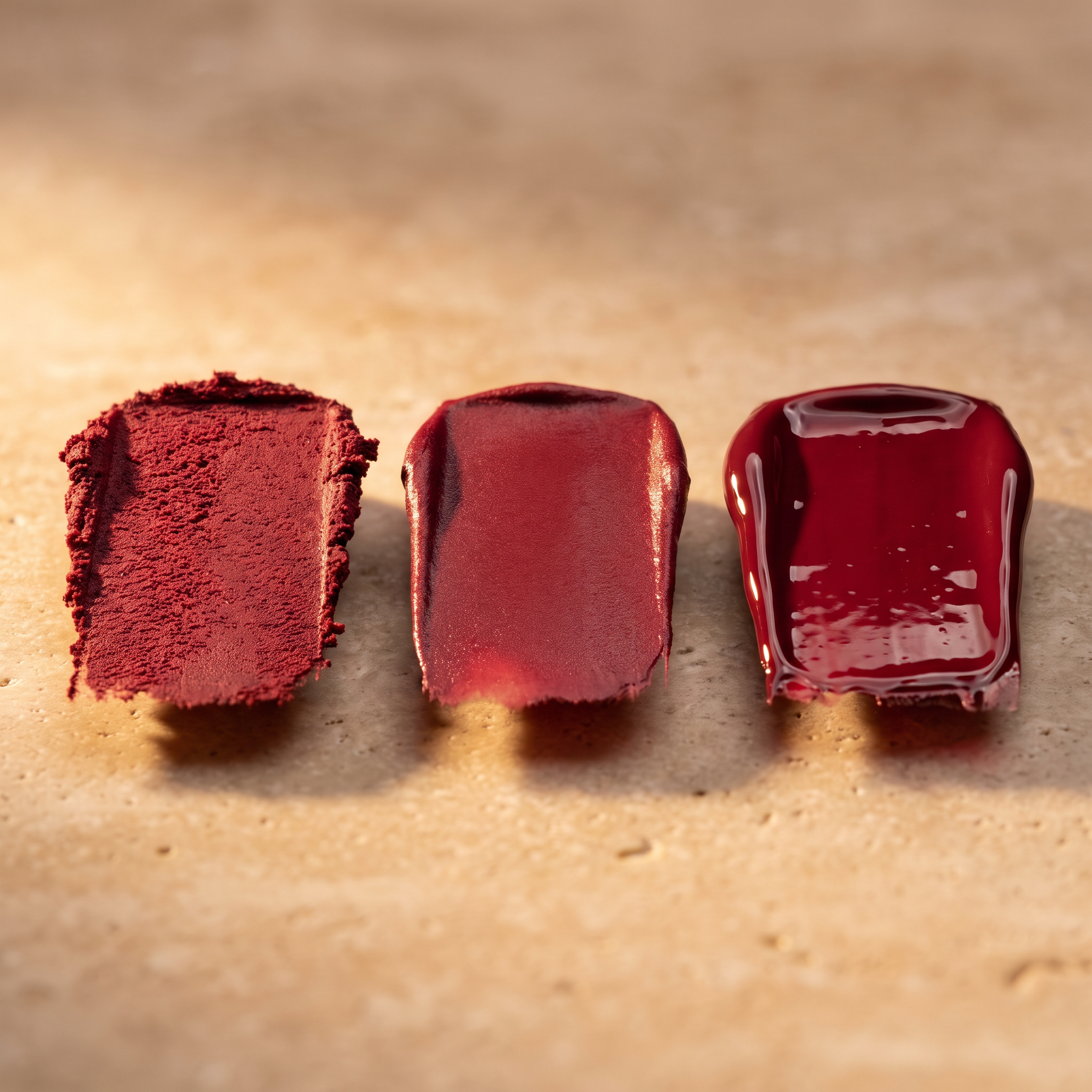
Matte, satin and gloss can use the same pigment. The difference is how the surface reflects light. A smooth film bounces light back sharply, so gloss looks wet. A rough film scatters light, so matte looks flat. That is why one red reads darker as a matte and brighter as a gloss.
Gloss is measured as specular reflectance, the intensity of light bounced back at the mirror angle. A smooth film reflects light sharply and a rough film scatters it. The principle comes from the optics literature, and the studies behind it measured coated gloss-scale cards rather than cosmetics. The optical rule still holds: a smoother surface reflects more sharply than a rough one.
The lipstick half of the same rule comes from formulation chemistry instead. Matte pigments and fillers deliberately raise surface roughness, which is why matte reads flat. That is a formulation choice, not a property of the color you picked.
Here is what each finish asks of you in practice.
- Matte. Flat, saturated and non-reflective, so color reads true in photographs. It also emphasises flakes and lines, because nothing on the surface diffuses them.
- Satin. Reflects more light than a matte, so it flatters dry or ageing lips. It sits between the two extremes and suits daily wear.
- Gloss. A high-shine, semi-transparent film that reflects light strongly and adds little pigment on its own. It softens texture, because a wet surface draws the eye away from the surface underneath.
The finish is not a separate product decision from the format. A bullet, a fluid and a liner each come in more than one finish. The finish you choose changes how the same shade wears on the same lip. Choose matte for a photograph and satin for a working day, then accept that each one asks something different of your prep.
Bullet, Fluid-to-Film and Liner: How to Choose
A bullet holds its shape because of wax. Oil sits inside the wax and gives the stick its glide. Raise the wax and wear gets longer, but the feel gets drier. Raise the oil and the stick feels comfortable, but it transfers more. A well-balanced bullet is the easiest formula to wear and the easiest to correct.
The formulation detail behind that trade-off is worth knowing. Lipstick is built on a wax phase that provides hardness and structure. Candelilla wax melts at 61 to 89 degrees Celsius, and carnauba at 80 to 88 degrees, the highest of the natural waxes. Ozokerite raises the melting point, and above about 10 percent the stick tends to crumble on application. Castor oil is the classic base oil because its high viscosity resists smearing. Lanolin at 2 to 20 percent acts as a plasticizer: it increases film thickness and durability, improves spreading, and stops liquid separating from solid. Lake pigments load at 10 to 15 percent of the formula. Finished sticks are characterised by a melting point of 59 to 64 degrees and a softening point target of 68 to 74 degrees.
A fluid matte works differently. A liquid carrier evaporates after you apply it. What stays behind is pigment held in a thin polymer film. That film is what resists transfer. It also sets fast, so you get little time to adjust the edge. Treat the border first, then fill.
The film itself is a silicone resin, typically trimethylsiloxysilicate, dissolved in a volatile carrier that flashes off within seconds. The resin cross-links into a rigid three-dimensional cage, so it behaves as a hard film rather than a fluid. Typical load is 1 to 10 percent in lipsticks. The trade-off is the same shape as the bullet’s: raise the resin and the film gets harder and more transfer-resistant, but also less flexible. At high load it can crack or flake as the lip flexes.
A liner is the third system, and the one that protects the other two. It is a stiffer wax-and-pigment stick with a higher pigment load. It anchors at the vermilion border, which is where color migrates first, so lining the border stops migration at its source. This matters most on lips whose natural border has become less distinct, because a liner restores a definition the lip no longer draws for itself.
So the choice comes down to the day. A bullet is the comfortable default and the easiest to fix. A fluid-to-film matte is the answer when transfer matters most. A liner is not a competitor to either one. It is the step that keeps color where you put it, and it earns its place in the routine whenever feathering is the problem. If your lips read cool or uneven in tone, the same undertone logic runs through how cheek color is matched to light skin.
A lip stain works differently again. It deposits dye on the surface instead of laying down a pigment film, so it fades rather than transfers.
How to Stop Lipstick Transfer
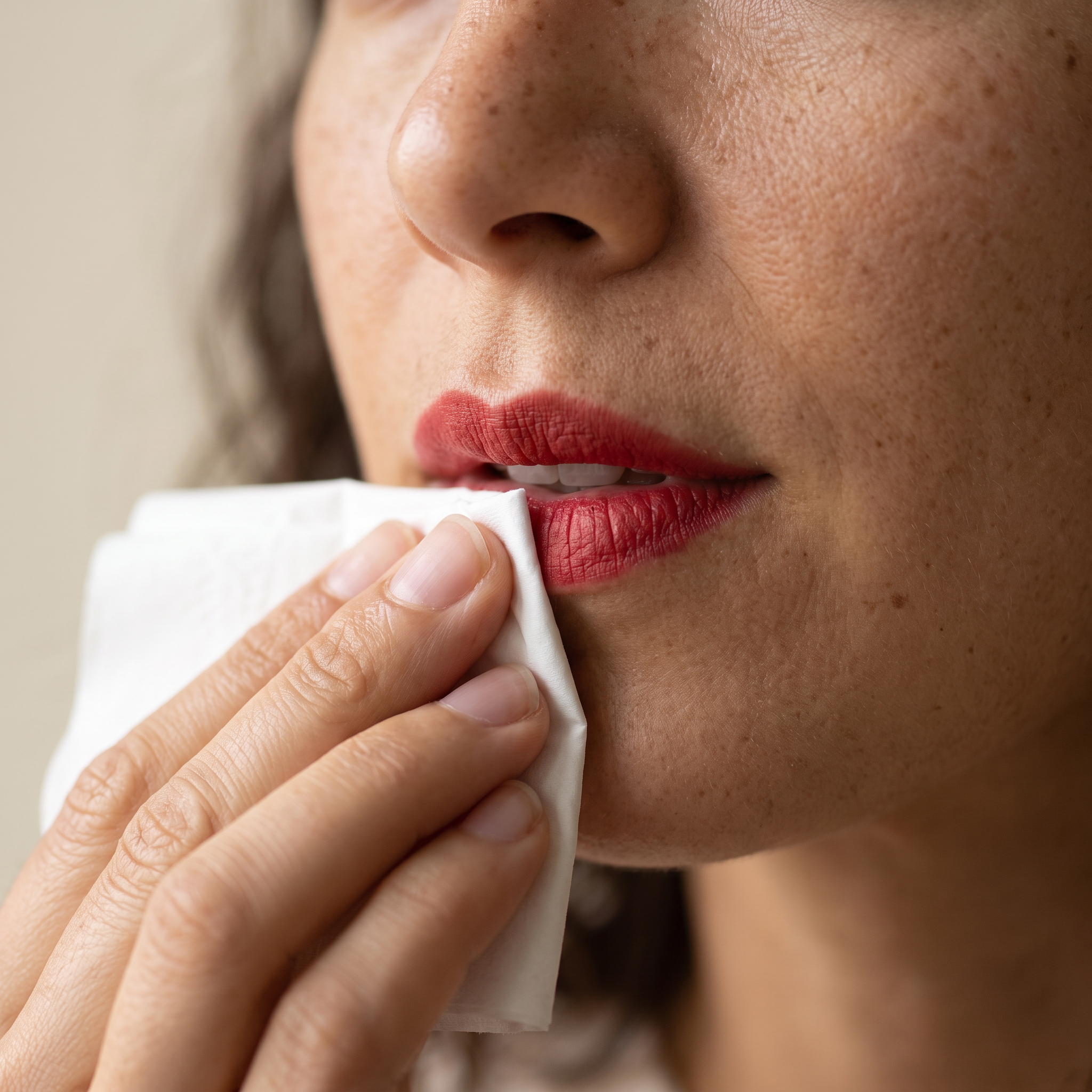
Transfer means color moving from your lip to a cup, a mask or a collar. A film that grips the lip tightly and stays flexible resists transfer. A film that stays soft and oily does not. This is the trade-off. The more comfortable and emollient a formula feels, the more it tends to move. If transfer matters most, choose a film-based fluid and let it set fully before you touch anything.
The mechanism is about adhesion. Transfer is governed by the film’s adhesion to the lip against its affinity for the contacting surface. A film that binds tightly to the lip and stays flexible resists transfer. A film that stays soft and oily does not. That is why hydration and transfer resistance pull against each other. The same oil that keeps a lip comfortable is the oil that lets color slide.
The film-former route is the one most long-wear fluids take. A silicone resin such as trimethylsiloxysilicate is dissolved in a volatile carrier, applied as a liquid, and left to set. The carrier flashes off and leaves a thin, continuous, hydrophobic film that binds pigment in place. Typical load in a lipstick is 1 to 10 percent. The cost of that resistance is flexibility, because a harder film cracks more readily as the lip flexes.
Four habits reduce transfer without changing the formula.
- Prep and hydrate first, then let the surface settle. A film over a smooth lip grips more evenly than one over flakes.
- Line the border before you fill. The border is where color moves first, so it is where the anchoring helps most.
- Apply in thin passes rather than one heavy layer. A thick film stays soft underneath and slides.
- Blot once, then leave the lip alone. Touching a setting film is what moves color onto your fingers.
If your everyday base needs to survive the same day, the same principle of a settled base under a setting film applies. It is also the principle behind keeping a concealer from creasing around the lip line.
A bullet stays movable for minutes, so you can blend or correct the edge. A fluid-to-film matte sets in seconds. If you are unsure of the shape, draw the border with a liner first, then fill inward with the fluid.
How to Prep Lips So Color Wears Evenly
Prep changes how any formula wears. A single application of a wax-and-oil product cut water loss through the lip for about two hours and raised hydration at the same time. Oils also sit in the outer layers for hours and release slowly. Smooth flakes first, because flaking is what you see in the mirror, not dryness itself. Then apply color.
The measurement behind that is specific. A controlled study of 15 women measured water loss and hydration 30 minutes after one application. Water loss through the lip fell from 44.56 to 29.43 grams per square meter per hour. Hydration rose from 31.89 to 38.16 arbitrary units. Both effects had faded by 6 hours. So a hydrating base buys roughly two hours of measurable barrier support, not all-day protection. Reapply to sustain it.
The same study explained why smoothness and water content are not the same thing. Corneometer hydration readings rose even as Raman-measured water content fell. Two reasons: the lipid film replaced water in the outer layer, and dry flakes create air gaps that distort capacitance readings. The water gradient across the outer layers, not total water, tracks visible dryness. That is why clearing flakes before you apply color changes how the color wears.
The lipid depot effect explains the comfort difference between formats. Raman spectroscopy traced the three lipids to a depth of 10 micrometres. Olive oil was still detectable at 5 to 10 micrometres depth at 6 hours. The authors describe a long-lasting depot effect, where lipid parks in the outer layers and releases slowly. That is why an emollient bullet feels comfortable for hours while a dry matte film cannot.
There is one intervention with clinical measurement behind it. A four-week study tested a two-step topical hyaluronic acid lip treatment in 36 women aged 22 to 40. It measured improvement in texture, scaling, lines and overall condition. Hydration and plumpness showed significant gains at weeks 2 and 4. Read the scope carefully: the trial was single-center and open-label, with no control arm, so all 36 subjects received the active treatment. It measured one specific two-step product applied at least three times daily. It did not test hyaluronic acid as an ingredient class, and it did not test any lipstick. It establishes that a measured lip-prep step improved clinical grading in one uncontrolled trial. It does not establish a general mechanism for hyaluronic acid in lip color.
Here is the prep order that follows from the evidence.
- Smooth the surface first. Flaking is what the eye sees, so remove it before anything else.
- Apply a hydrating lip layer and let it settle. It buys about two hours of barrier support.
- Line the border while the surface is still workable, before any setting film goes on.
- Apply color in thin passes, and blot once rather than pressing the lip repeatedly.
- Reapply the hydrating layer through the day to sustain the effect.
Shades That Flatter: Red for Pale and Fair Skin
Lip melanin is much lower than facial skin. The keratinocyte-to-melanocyte ratio is 10 to 15 to 1 on the lip, against 4 to 1 on the face. Pale and fair lips therefore show pigment shifts, and red staining, more clearly. Blue-based reds read cooler and brighter on fair skin. Warm brick reds read softer. With age the vermilion thins, vessel count drops, and natural redness fades. So definition matters more than shade intensity.
The lower melanin ratio is the physical reason a single red can look so different across complexions. Less pigment in the lip means less buffer between the product color and the blood color underneath it. So the undertone of the shade does more of the visible work. A blue-based red pushes the visible tone cooler and brighter. A warm brick red pushes it softer and warmer.
For pale and fair skin, the practical choice is temperature first and depth second. Test the red at the border of the lip in daylight rather than indoors. Indoor light is warm, so it flatters a warm shade and hides the error. A blue-based red that reads bright and clean on the skin is doing its job. A red that turns orange or dusty is fighting the undertone underneath.
Age changes the target again, and not in the direction most people expect. Redness fades as vessel count drops, and the natural border becomes less distinct. A shade that reads intense on a younger lip can read flat on an older one without a liner to redefine the edge. That is why the liner is not a shortcut for precision alone; it restores structure the lip has lost.
Whatever shade you land on, the same shade-undertone question governs the rest of a fair-skin routine. That is where matching cheek color to a light complexion starts.
Choose matte for events and photographs where you want a flat, saturated finish. Choose satin for daily wear. Satin reflects more light, so it flatters dry or ageing lips. Matching the finish to your lip condition matters more than matching it to the trend.
Irritation, Fragrance and Castor Oil: What to Check
Most lip color causes no reaction at all. A small number of people react to a specific ingredient, and the published case record names the ones that come up most often. Allergic contact cheilitis, which is inflammation of the lip from contact with a substance, is a recognized reaction to lip cosmetics.
A systematic review of published cases found 47 reports covering 58 individuals who developed allergic reactions to lip care products. The products involved included lipsticks, lip balms, lip salve, lip gloss, lip liner and lip plumper. The most common causative ingredients were castor oil, benzophenone-3, gallate, wax and colophony.
Castor oil deserves a careful reading, because it is both a documented sensitizer and one of the most common lipstick base oils. Its high viscosity is exactly why formulators use it. If your lips react to a product, castor oil is one documented cause. Patch-test new products rather than avoiding the ingredient on principle, and do not treat castor oil as generally unsafe.
Two other sensitisers appear in the same literature. Balsam of Peru is a recognized contact sensitizer and a frequent patch-test positive. It is a component of fragrance mixes and appears in flavoured lip products. Colophony, also called rosin, is a related sensitizer identified in the same case record. Both are worth knowing about if you have reacted to a fragranced balm or a flavoured gloss before.
None of this is medical advice, and none of it is a diagnosis. It is a shortlist to check against your own history. Stop using the product if your lips sting or peel, and see a clinician if the reaction persists or keeps returning. A color product is not the right tool for a persistent reaction.
Castor oil, balsam of Peru and added fragrance are documented sensitizers in lip products. Stop using the product and see a clinician if the reaction persists. Do not treat a persistent reaction at home with another color product.
The Verified Edit
Pat McGrath Labs MatteTrance Lipstick — Fever Dream
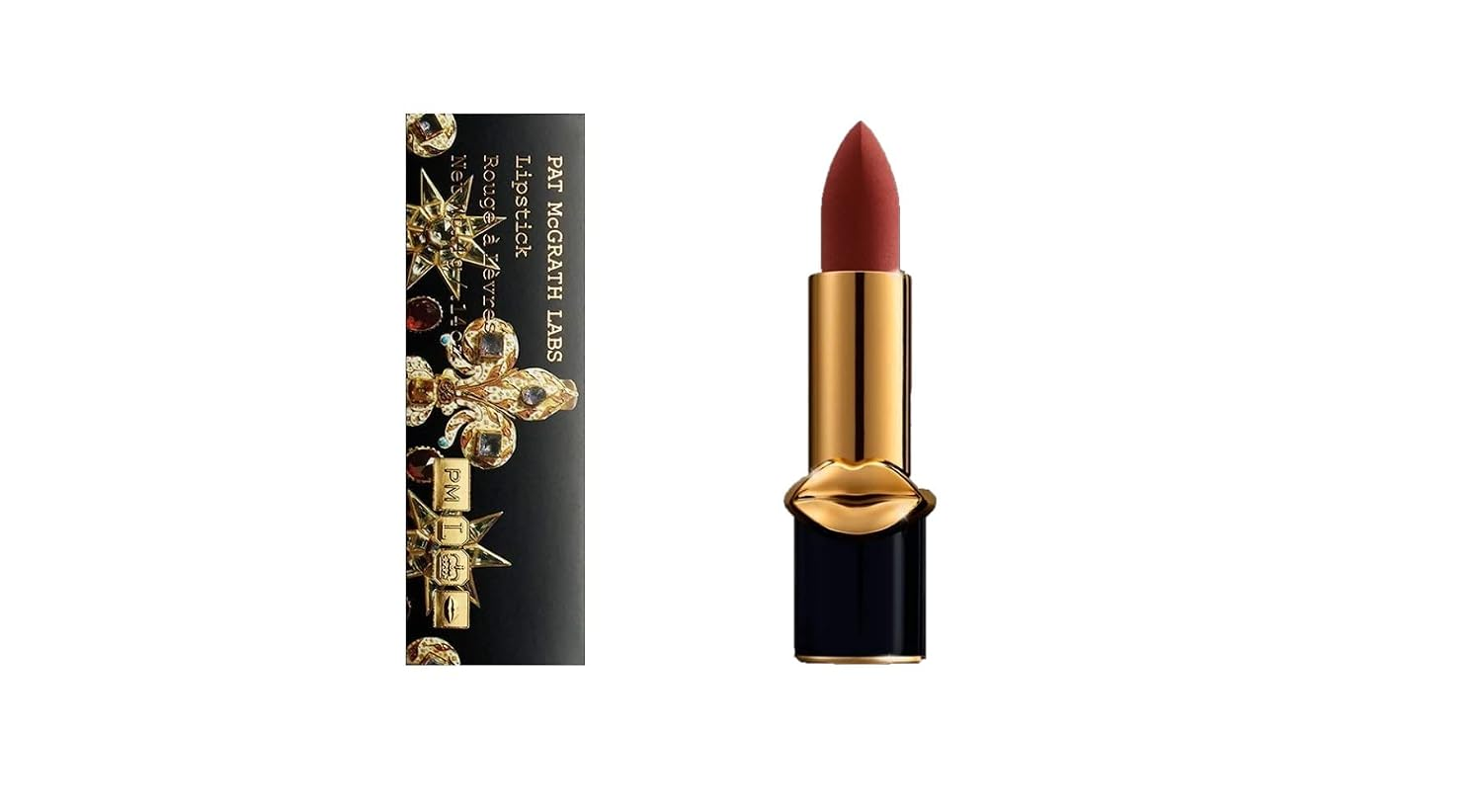
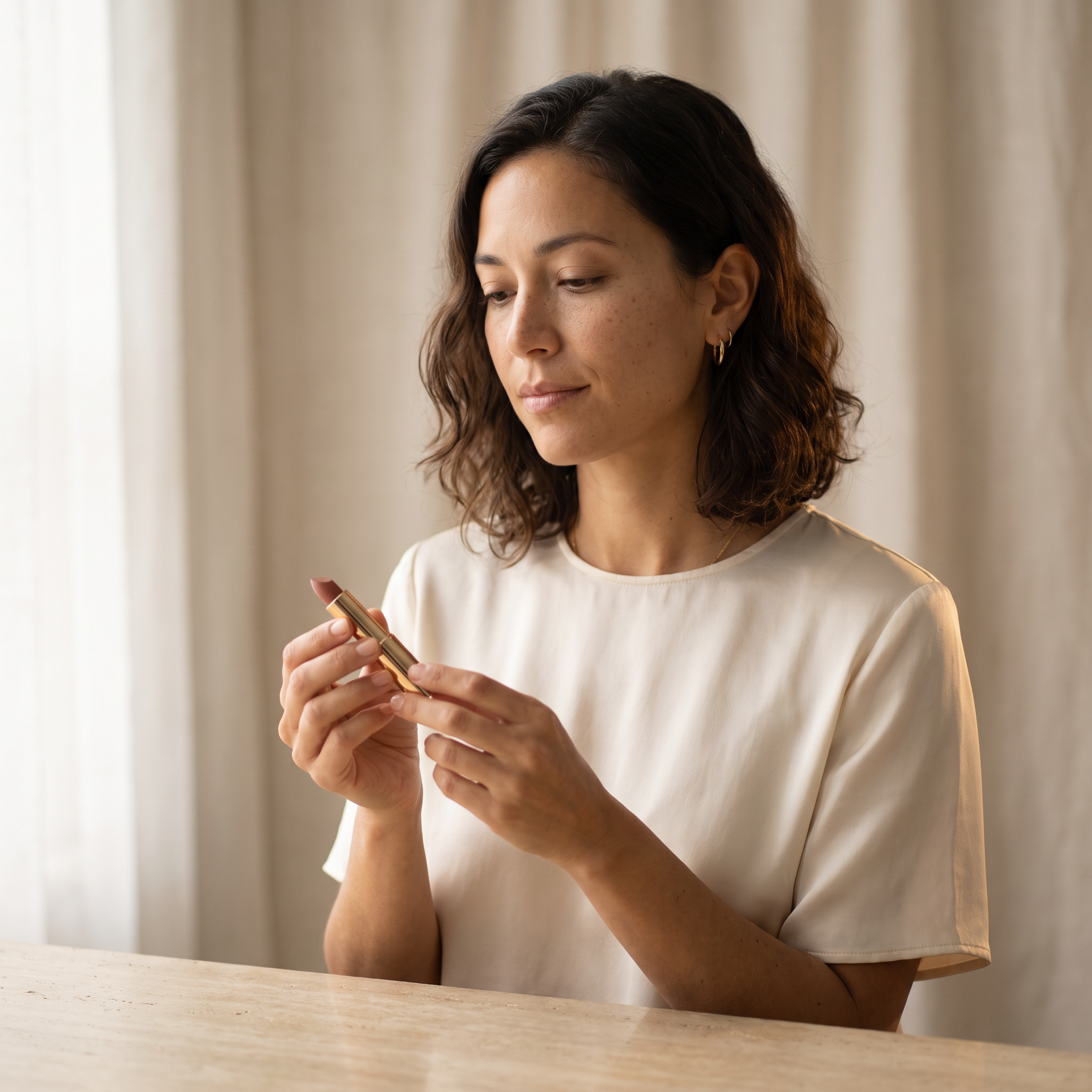
The prestige bullet reference, and the clearest view of the wax-to-oil trade-off. Dense pigment in a single pass, a flat non-reflective finish, and a wax bullet that keeps a defined edge without liner.
Avery, Beautyisles AI Editorial Host
- Dense pigment gives full coverage in one pass
- Flat matte finish keeps color true in photos
- Wax-structured bullet holds a defined edge
- Matte finish emphasises flakes on dry lips
- Firm stick drags without lip prep
Fenty Icon Velvet Liquid Lipstick
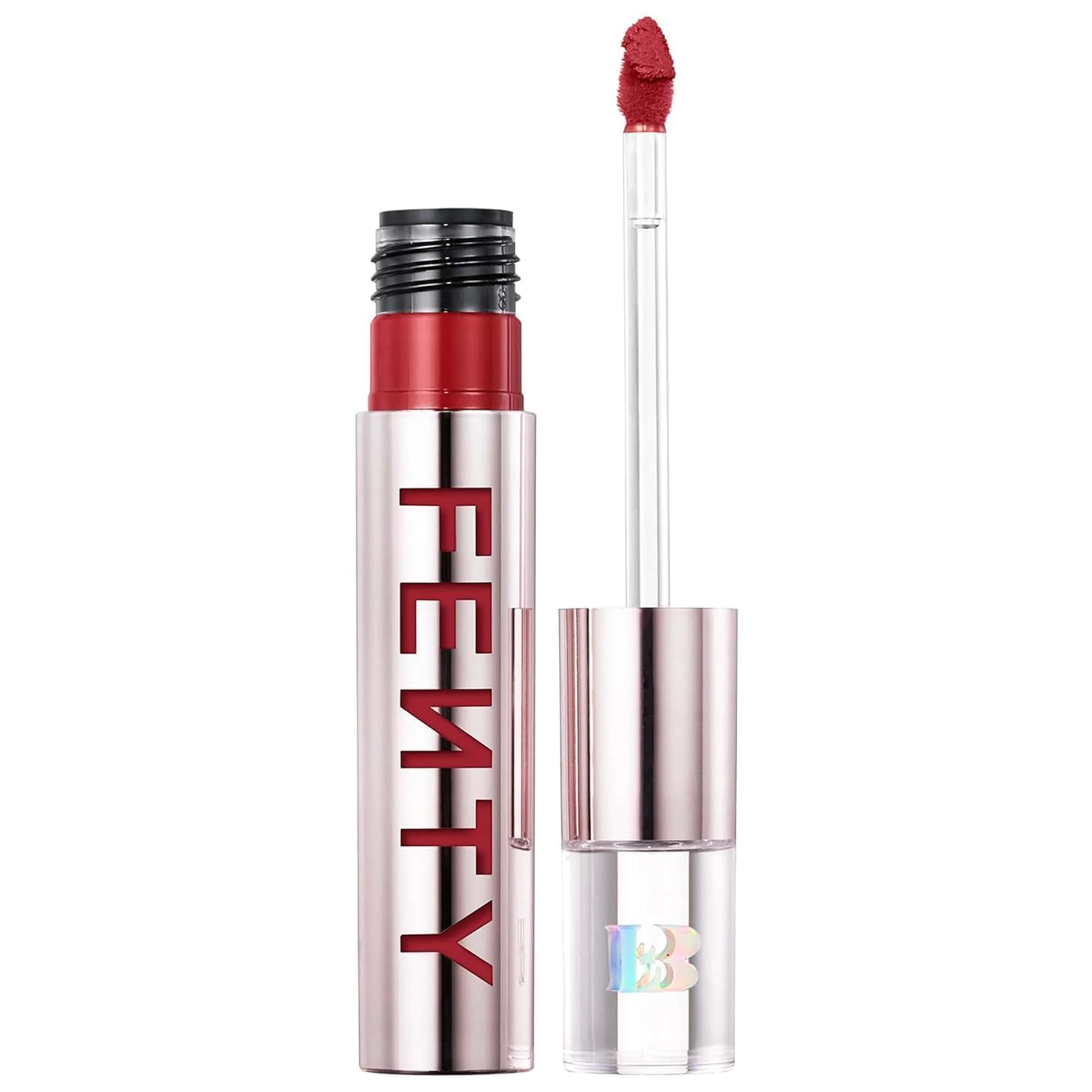
The fluid-to-film leg. A whipped fluid from a doe-foot applicator sets to a soft-focus velvet film rather than a wet gloss. The carrier evaporates and the film remains, so color stays put.
Avery, Beautyisles AI Editorial Host
- Sets to a soft-focus velvet, not a wet gloss
- Pigment stays put once the film forms
- Lightweight film never reads tight or heavy
- Sets quickly, leaving little border correction time
- Doe-foot edge is broad, so a liner helps
MAC Macximal Silky Matte Lipstick — Ruby Woo
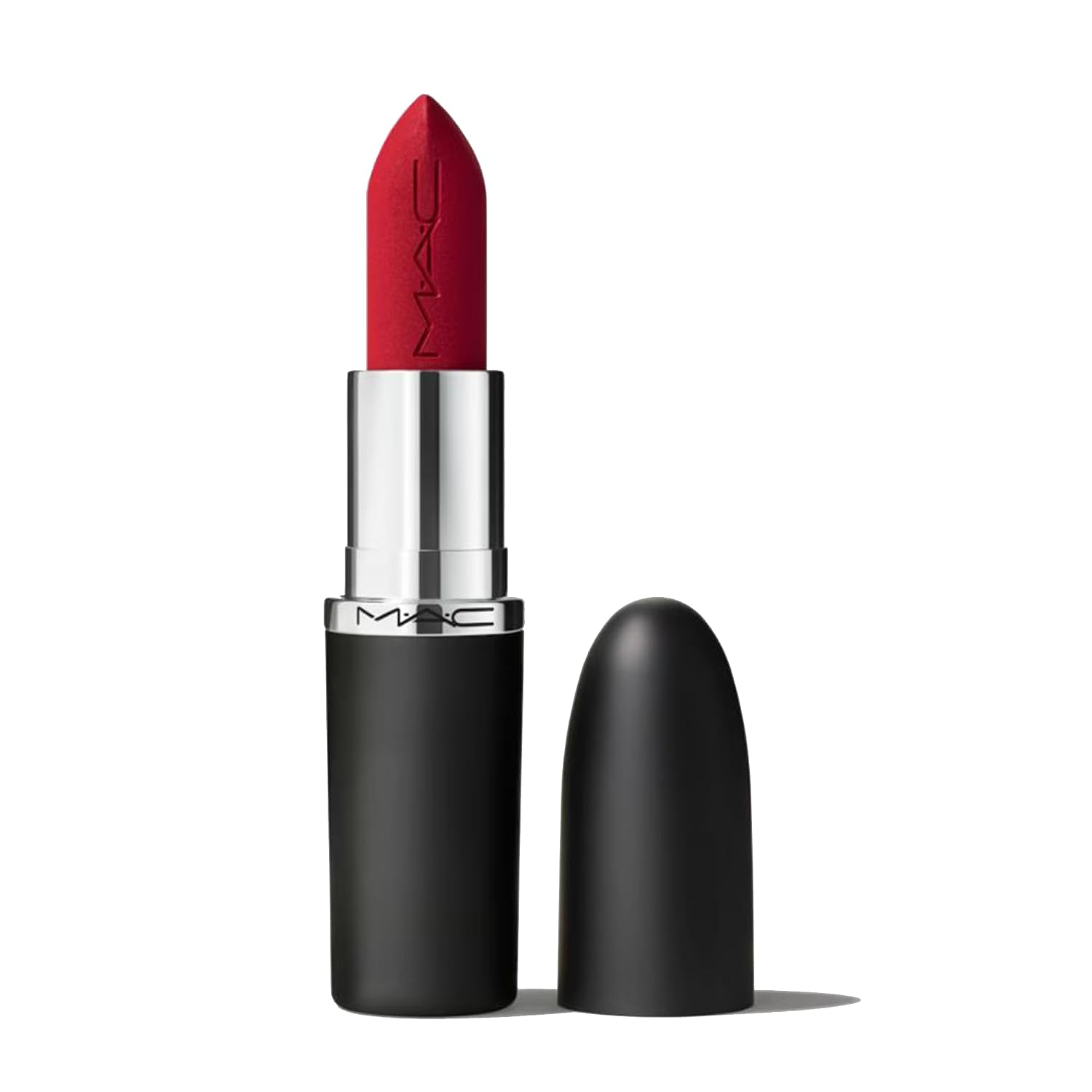
The classic mid-matte bullet, and the blue-based red that the fair and pale-skin shade section depends on. It reads cool rather than orange, and glides without the drag of a flat matte.
Avery, Beautyisles AI Editorial Host
- Blue-based red reads cool rather than orange
- Silky matte glides without flat-matte drag
- Long-standing shade, so color stays consistent
- Requires lip prep on dry lips
- Bold cool red, not a low-key daily shade
Make Up For Ever Artist Color Pencil — 506 Endless Cacao
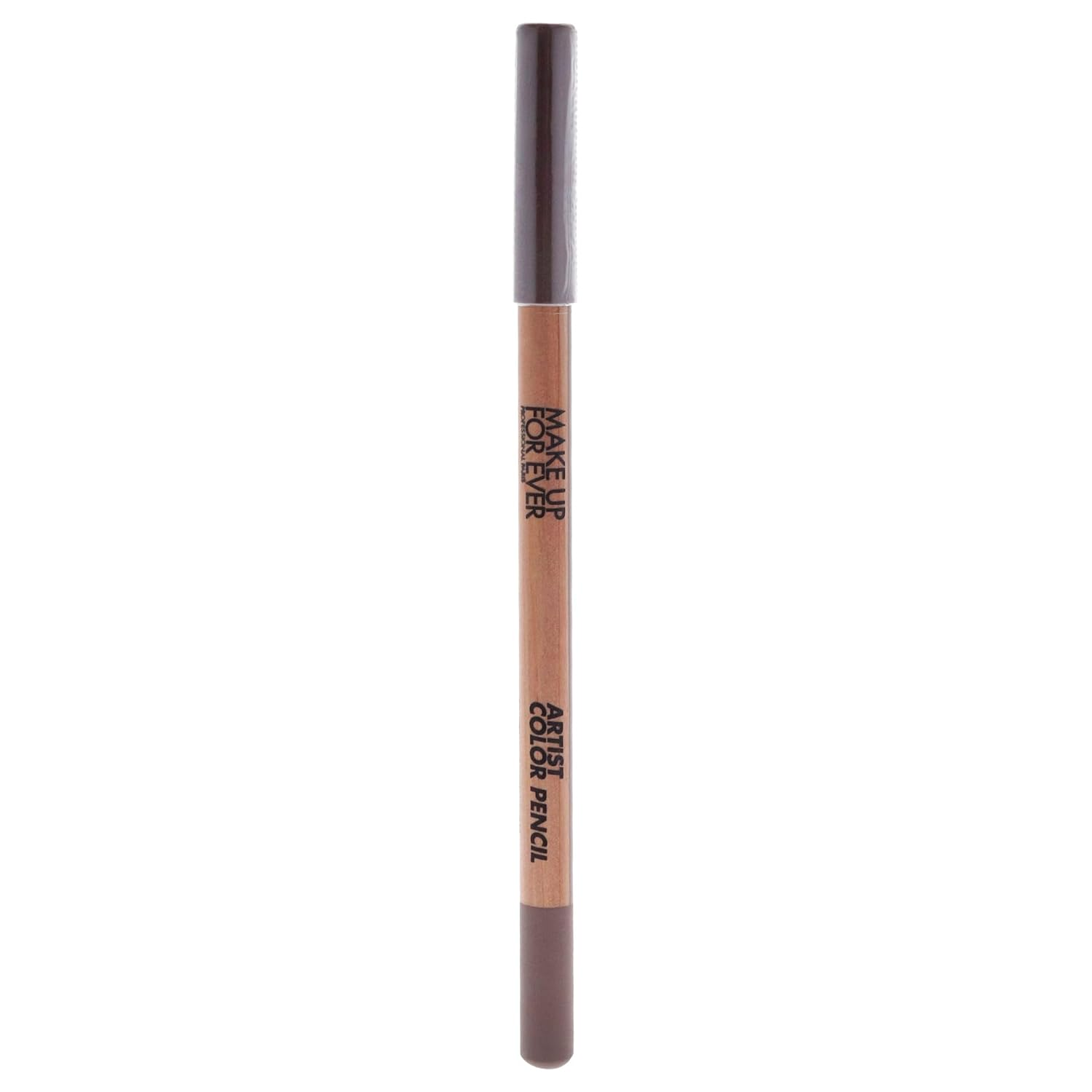
The liner leg of the three-system angle, and the border-definition answer for lips whose natural edge has softened. A firm tip draws a controlled line at the vermilion border instead of dragging.
Avery, Beautyisles AI Editorial Host
- Firm tip draws a controlled line at the border
- Neutral brown-nude sits under almost any shade
- Also works along the lip line against feathering
- Reads flat without a lipstick over it
- Heavy pressure tugs on a thin vermilion
Every pick in this edit sits at prestige pricing. Judge a drugstore lipstick by the same standard: how it sets, how it wears, and how it comes off.
Frequently Asked Questions
Is lipstick considered a liquid when flying?
Cream and liquid lip products count toward the liquid allowance. A solid bullet lipstick does not. Pack accordingly.
How do you lighten dark lipstick?
Apply a lighter shade over it, or blot and layer a nude or a gloss on top. A color-correcting layer under the lipstick also lifts the tone.
How do you put on lip liner?
Start at the cupid’s bow, follow the natural border, then fill inward. Filling stops the liner showing as a hard ring when the lipstick wears.
What is lip gloss?
A lip product with a high-shine, semi-transparent film. It reflects light strongly and adds little pigment on its own.
What is in lip gloss?
Typically a wax or gel base, oils or emollients, a film former, and either light pigment or none.
What is lip gloss made of?
The same ingredient families as lipstick – waxes, oils and esters – but with more oil and less wax. So the film stays glossy instead of setting matte.
Editorial Sources
- Shang J, Feng X, Chen Y, Gu Z, Liu Y. Human lip vermilion: Physiology and age-related changes. J Cosmet Dermatol. 2024. doi 10.1111/jocd.16317.
- Wang Y, He Q, Kong F, Cheng J, Ye R, Liang J, Ou Y, Xie J, Tan J. Biophysical Characteristics of Lip Vermilion among Healthy Individuals in Southern China: Correlations between Age and Vermilion Physiology. Skin Res Technol. 2025. doi 10.1111/srt.70228.
- Bielfeldt S, Blaak J, Laing S, Schleissinger M, Theiss C, Wilhelm KP, Staib P. Deposition of plant lipids after single application of a lip care product determined by confocal raman spectroscopy, corneometry and transepidermal water-loss. Int J Cosmet Sci. 2019. PMCID PMC6851866. PMID 31002377.
- Mawazi SM, Redzal NABA, Othman N, Alolayan SO. Lipsticks History, Formulations, and Production: A Narrative Review. Cosmetics. 2022;9(1):25. doi 10.3390/cosmetics9010025.
- Pal B, Kumari S, Kumari A, Singh SK, Babbar H. Allergic contact dermatitis to lip care cosmetic products – a systematic review. Cutan Ocul Toxicol. 2024;43(1):13-21. doi 10.1080/15569527.2023.2275022. PMID 37904533.
- Sanchez-Herrero A, Mateos-Mayo A, Rodriguez-Lomba E, Molina-Lopez I, Campos-Dominguez M, Suarez Fernandez R. Allergic contact cheilitis in an adolescent to Ricinus communis seed oil (castor oil) in a lip balm. Contact Dermatitis. 2018. doi 10.1111/cod.13016.
- Makino ET, Tan P, Qian K, Babcock M, Mehta RC. Clinical Assessment of Immediate and Long-Term Effects of a Two-Step Topical Hyaluronic Acid Lip Treatment. J Drugs Dermatol. 2017;16(4):366-371. PMID 28403271.
- Ged G, Rabal-Almazor AM, et al. Assessing gloss under diffuse and specular lighting. Color Res Appl. 2020. doi 10.1002/col.22510.