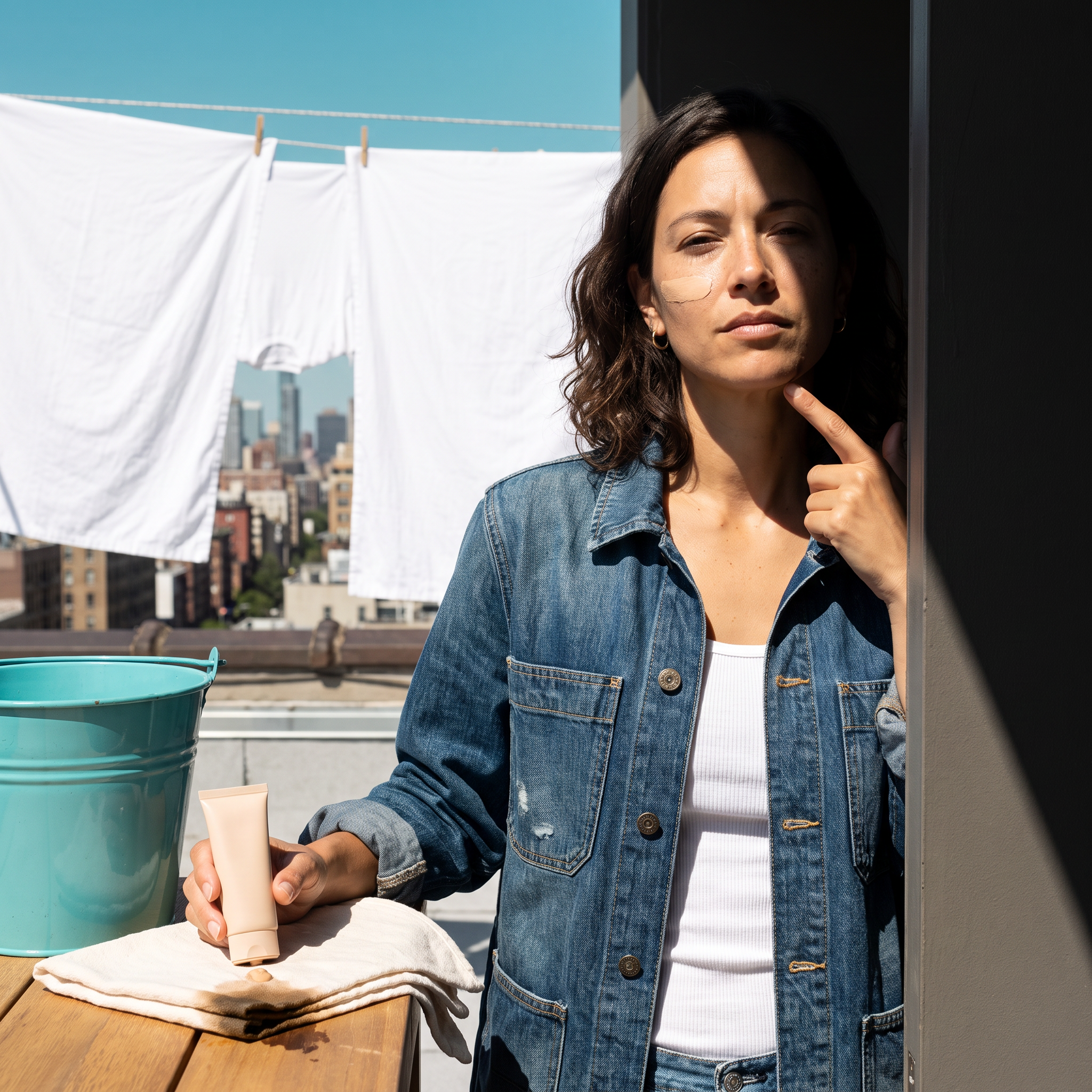
- BB cream gives light to medium coverage, but pigment load differs between formulas.
- Korean-brand products and Korean-market formulas can differ in shades, finish, filters, and packaging.
- A BB cream SPF claim comes from a lab test with 2 mg/cm2 of product. Treat it as extra coverage, not your sunscreen replacement.
- If you have oily skin, choose a thin, low-shine tint. If you have dry skin, choose a flexible, moisturizing formula.
- If your skin reacts easily, choose a short ingredient list and patch test before full-face use.
What Is BB Cream Used For?
BB cream is a complexion product that combines tint with skin-care-style ingredients. The name does not guarantee one fixed level of coverage or hydration.
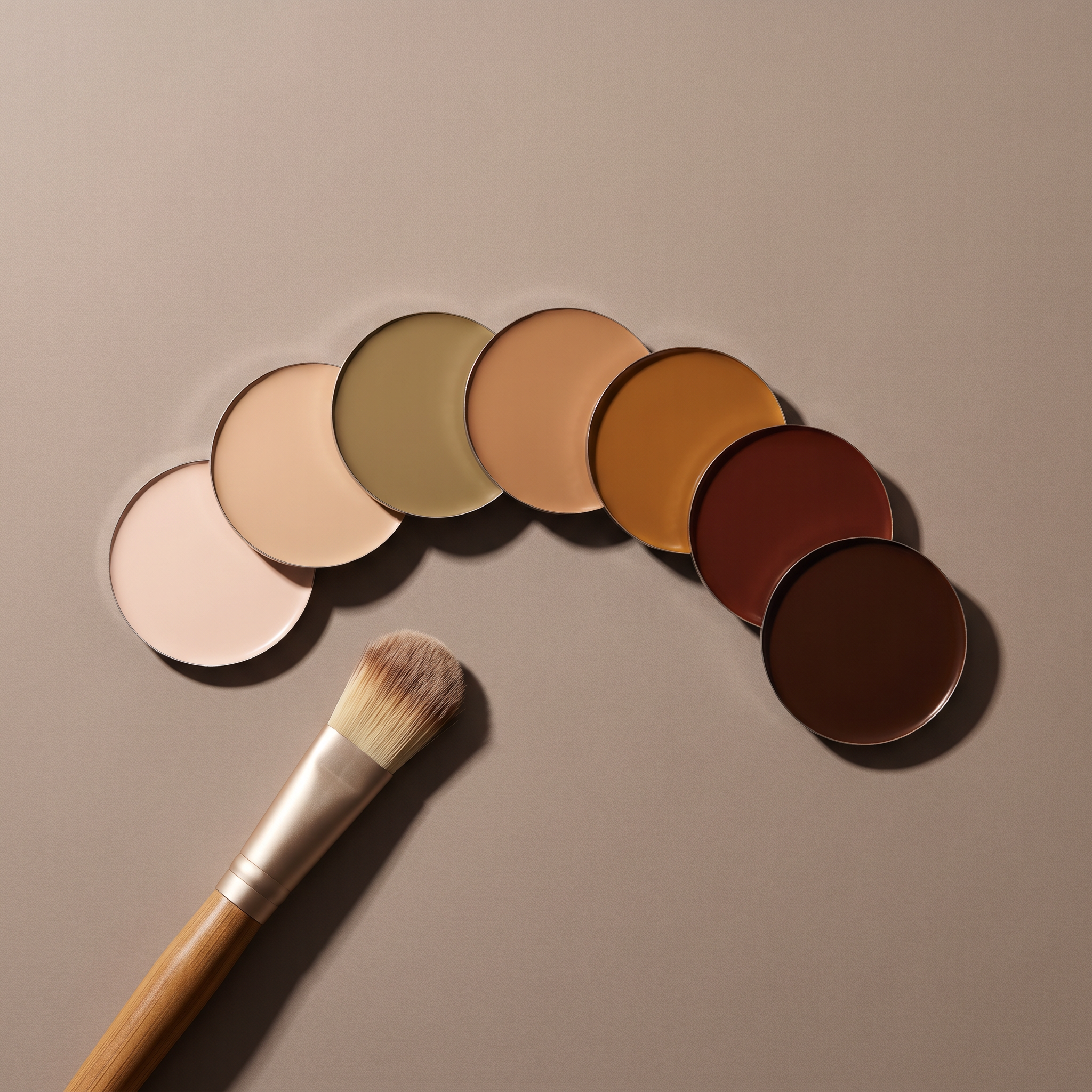
Use it when you want a more even-looking complexion with less visual weight than full foundation. Coverage depends on pigment load, which means the amount of color powder in the formula. Pigment particles absorb some wavelengths of light and scatter others, so a heavier load hides more of what sits underneath.
Grade the finish in three steps:
- Sheer coverage softens tone but leaves most freckles and marks visible.
- Medium coverage reduces redness and small marks while keeping some skin detail.
- Buildable coverage adds more pigment in thin layers without a full foundation base.
The right choice depends on the areas you want to change. If you want only mild evening, choose a sheer tint. If you need spot coverage, pair a lighter BB cream with concealer.
Coverage, Skin Tint, and Tinted Moisturizer
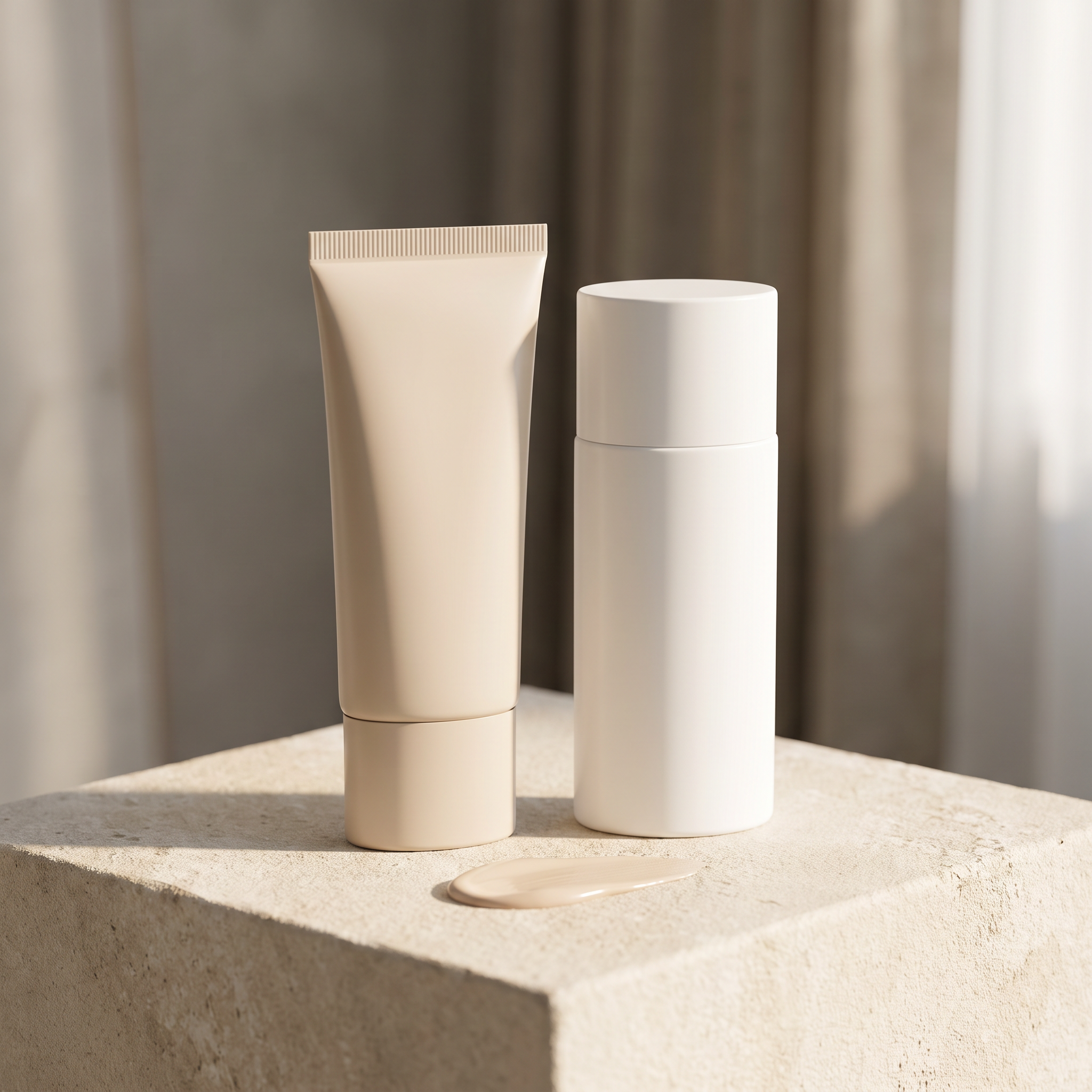
Skin tint, BB cream, and tinted moisturizer overlap. Brands use these labels for different formulas, so the label alone cannot predict the result.
Skin tint usually signals a thin texture and light coverage. Tinted moisturizer usually places more emphasis on a moisturizing feel. BB cream often adds a higher pigment load, but this pattern is not universal.
If you want the best tinted moisturizer for dry skin, look for a flexible finish that does not highlight flakes. If you want a matte skin tint, check for a lower-shine finish and a lighter emollient feel.
The query “what tinted moisturizer is the best” has no answer without a skin type and coverage goal. Compare the ingredient list, shade range, finish, and wear claims. Treat “top tinted moisturizers” as a starting category, not proof of performance.
If you want the fuller-coverage route instead, see the luxury foundation coverage guide.
What Makes a Korean BB Cream Different?
Korean BB cream refers to a product made by a Korean brand or a formula developed for the Korean market. It does not describe one ingredient system.
Some Korean-market ranges use a narrower shade set than ranges made for a wider global skin-tone distribution. Undertone labels also differ. A shade that looks neutral in one market can appear gray, pink, or yellow on another complexion.
Finish can differ as well. Some formulas aim for a fresh, flexible surface. Others dry down with less shine. Packaging, sunscreen filters, fragrance, and ingredient lists can change between Korean and international versions.
A colorimetric study compared Korean-made and imported base products and found the Korean-made set produced more brightness and more red-tone correction. That is a catalogue and formulation observation, not a claim about people. Formula developers pick pigment ratios and target lightness to match the skin tones and makeup preferences of their own market. A separate clinical study measured facial color in 543 Korean women in one metropolitan region and found BB cream was the most-used base product. The sample is one city, so read the pattern as a product range, not as a rule.
The search term “korean best bb cream” belongs to a comparison of formula, shade range, and region. Do not treat a familiar brand name as proof of the best match.
BB Cream vs CC Cream vs Cushion
BB cream usually provides complexion tint with light to medium coverage. CC cream often focuses on visible color correction, such as reducing the look of redness. These are broad market labels, not strict technical standards.
A cushion is a delivery format. It stores liquid makeup in a porous compact and applies it with a puff. A cushion can contain BB, CC, foundation, or skin tint formulas. The sponge meters a small amount of low-viscosity emulsion onto the puff, so pigment type and concentration still control the result, not the label.
If you want a quick, portable application, choose the cushion format that matches your coverage goal. If you want easier ingredient and shade comparison, a tube often gives clearer product information.
The “best CC cream” is therefore a separate question from the best BB cream. Compare pigment, finish, undertone, and wear before comparing the labels.
SPF Reality: Why BB Cream Does Not Replace Sunscreen
An SPF-rated BB cream is tested in a lab at 2 mg/cm2 of product. That dose sits in the standard method for measuring sun protection, and it was chosen because it gives the most reproducible result. Most people do not wear that much tint on the face because the layer looks heavy and can feel uncomfortable.
Measured real-world application runs far lower, in the range of 0.39 to 1.0 mg/cm2 of product. That is roughly 20 to 50 percent of the amount used in the test. A thinner film leaves more gaps between UV-filter molecules and particles, so measured protection falls as the applied layer thins.
That difference matters. The protection shown on the package comes from a controlled test layer. A thin, natural-looking application can provide less protection than that test result suggests. In one laboratory study using sunscreen at 0.5 mg/cm2, products labeled SPF 70 and SPF 100 delivered measured values of about 19 and 27. That study measured sunscreen, not tinted products, and it was funded by a sunscreen manufacturer. Read the figure as a measured result under test conditions, not as a general rule.
An SPF-rated BB cream is a supplement to sunscreen, not a replacement. If you need daily sun protection, apply a separate broad-spectrum sunscreen at its labeled use level. Let it set before you add BB cream.
SPF also describes mostly UVB-related burning, so look for broad-spectrum or UVA information separately. Do not use the tint as your only protection for long outdoor exposure. Reapply sunscreen according to the product directions and the conditions of your day.
If a BB cream lists SPF, treat that number as a lab result from a thick test layer. Apply separate sunscreen when you need reliable daily protection. BB cream adds tint and complexion coverage. It does not replace your sun-care step.
Match the Formula to Your Skin Type
Oily skin. If you have oily skin, choose a thin BB cream with a low-shine or soft-matte finish. The clear verdict is to prioritize oil control and flexible coverage over a rich, glossy base. A sebum-rich surface can break down a film faster, so set only the areas that become shiny. A heavy powder layer can make texture more visible.
Dry skin. If you have dry skin, choose a flexible BB cream with a comfortable moisturizing base. The clear verdict is to prioritize smooth application and low flake emphasis over a firm matte finish. Dry flakes make pigment look patchy, so apply moisturizer first when your skin feels tight. If the formula catches on dry areas, use less product and press it into the skin with clean fingers or a damp sponge.
Reactive skin. If your skin reacts easily, choose the shortest formula that meets your coverage goal. The clear verdict is to avoid adding fragrance or several new actives when your skin already feels irritated. Fragrance allergens can trigger allergic contact dermatitis, and repeated exposure to some alcohols can damage the skin barrier. Centella asiatica is a plant extract often used in calming skin-care formulas. Its presence does not guarantee that a product suits reactive skin, because the tested cica studies used specific formulas at specific concentrations. Patch test first, then stop if burning, swelling, or a rash develops. A tint you wear daily also has to come off gently, so pair it with how to remove makeup without stripping your skin.
Whichever group fits you, the sequence is the same. Prepare the skin, keep each layer thin, and judge the finish in daylight.
How to Apply Tinted Moisturizer
- Apply separate sunscreen first when the BB cream is not your complete sun-care step.
- Wait until the sunscreen feels set. This reduces dragging during makeup application.
- Start with a small amount across the center of the face.
- Blend toward the hairline and jaw without building a thick edge.
- Add a second thin layer only where you need more coverage.
- Check the shade in daylight across the jaw, not only on the hand.
- Use concealer for isolated marks instead of increasing coverage across the whole face.
- Set only oily areas when powder improves wear.
Wear time and grip depend on what sits underneath as much as on the tint itself. If your base slips or separates by midday, a primer is the layer to review, and water based primers explains which base suits which finish.
How to Choose a Shade and Finish
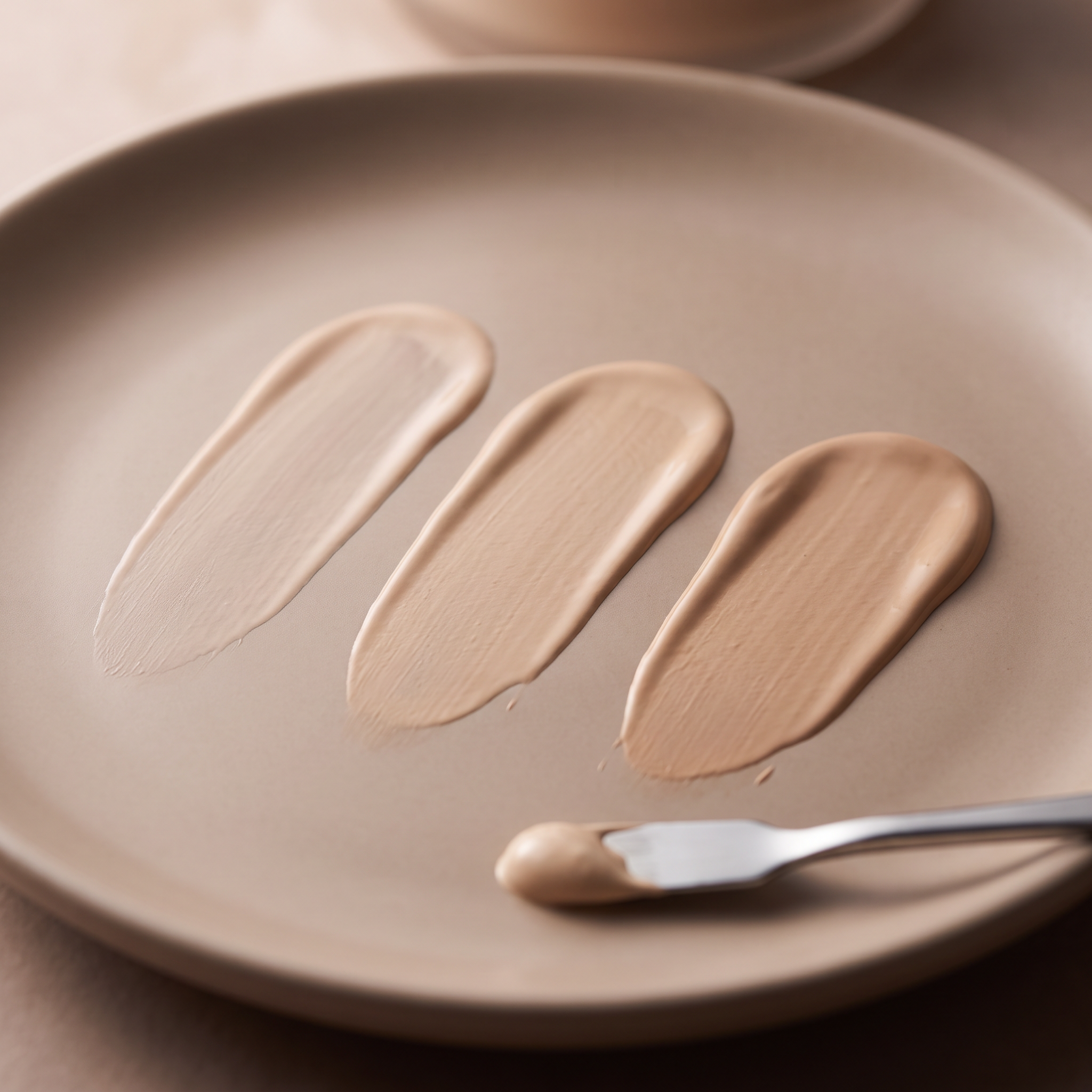
Compare the shade range before choosing a formula. A narrow range limits the value of a good finish, however good that finish is.
Check whether the brand describes undertone as cool, neutral, warm, or with another system. If your face and neck differ in color, match the visible neck area rather than the reddest part of the face. A shade that looks correct on the hand can look gray or too pale across the jaw.
Compare Korean-market and international listings when the product has regional versions. Shade sets, filters, and finish can change between them, and the same name does not always describe the same product.
Use “l’oreal tinted moisturizer”, “fenty beauty tinted moisturizer”, and “tinted moisturizer by MAC” as comparison searches, not as unverified recommendations for this Korean-focused guide. They help you read how different houses label undertone and coverage. They do not tell you which shade fits you.
If you want a lightweight base, compare pigment load before marketing claims. A sheer BB cream suits mild tone evening. A medium or buildable formula suits redness and small marks.
The Verified Edit
MISSHA M Perfect Cover BB Cream No.23 Natural Beige
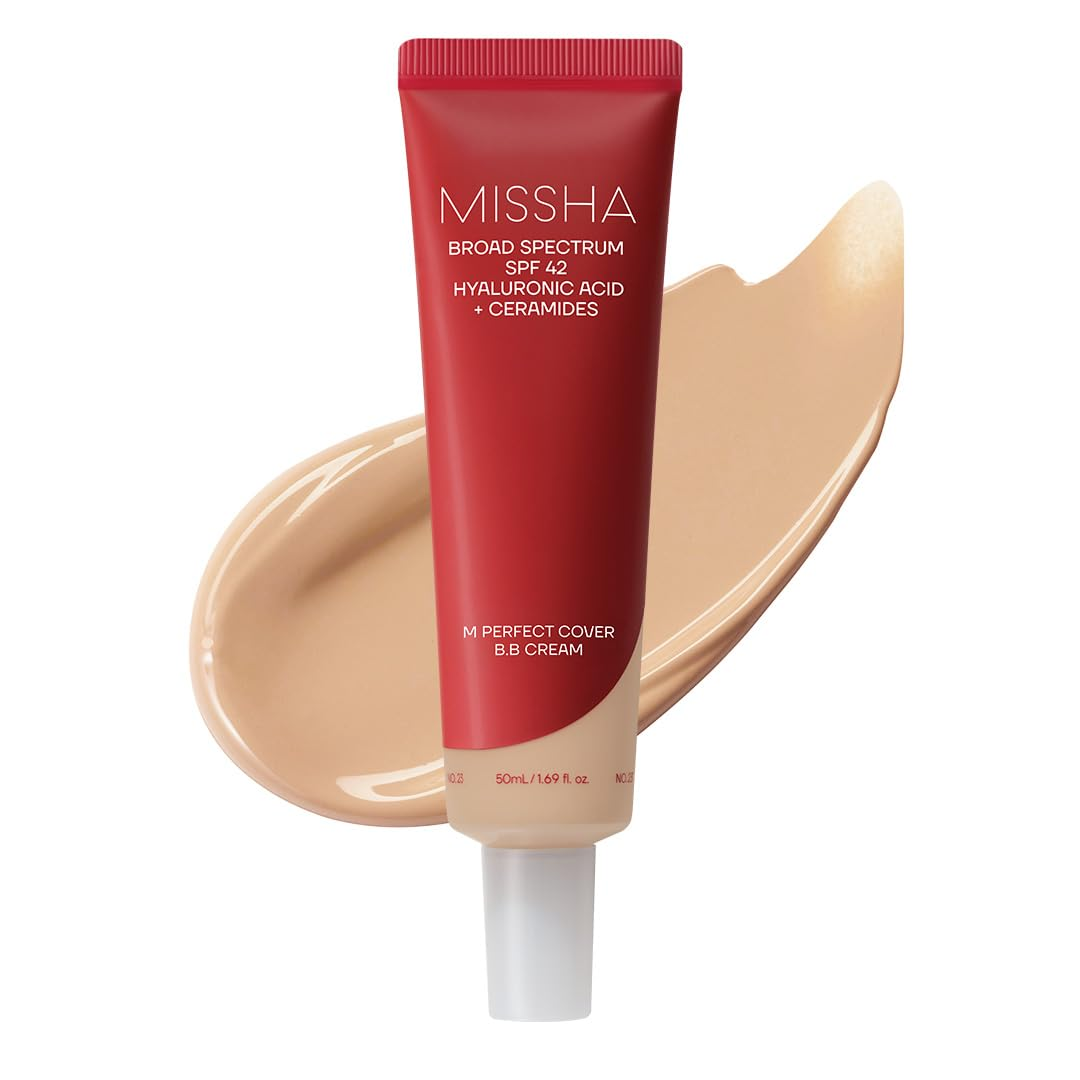
Best overall Korean BB cream for most readers. Coverage sits between a skin tint and a fuller base, so one tube covers daily wear and heavier days. No.23 is a light-to-medium cool-neutral match.
Avery, Beautyisles AI Editorial Host
- Buildable coverage between a skin tint and a base
- Ceramide NP, squalane and plant oils cushion the formula
- Blurs texture without a flat matte finish
- Fragrance and allergens limit reactive-skin use
- No.23 runs light-to-medium cool-neutral only
MISSHA M Perfect Cover Serum BB Cream No.21 Light Beige
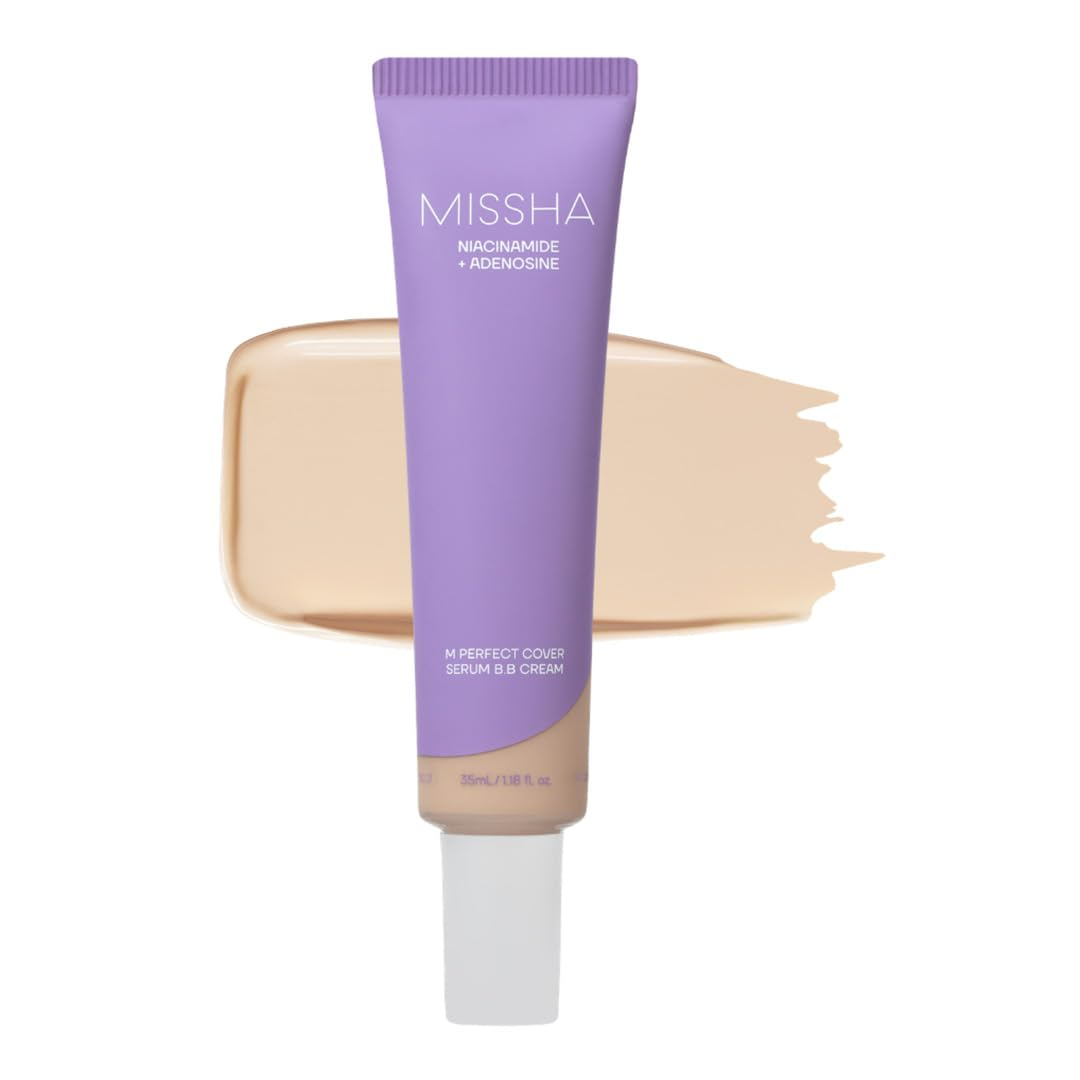
Best for dry skin, with a more emollient serum texture that gives a softer, more comfortable finish than a standard cover cream. Coverage is built for everyday evening, so thin layers stay natural.
Avery, Beautyisles AI Editorial Host
- Serum-style texture, softer than a standard cover cream
- No.21 light beige with a cool-to-neutral direction
- Sits over dry flakes without a patchy deposit
- Light coverage needs a concealer for isolated marks
- Reflective film looks too dewy on very oily skin
Erborian BB Cream with Ginseng, Dore
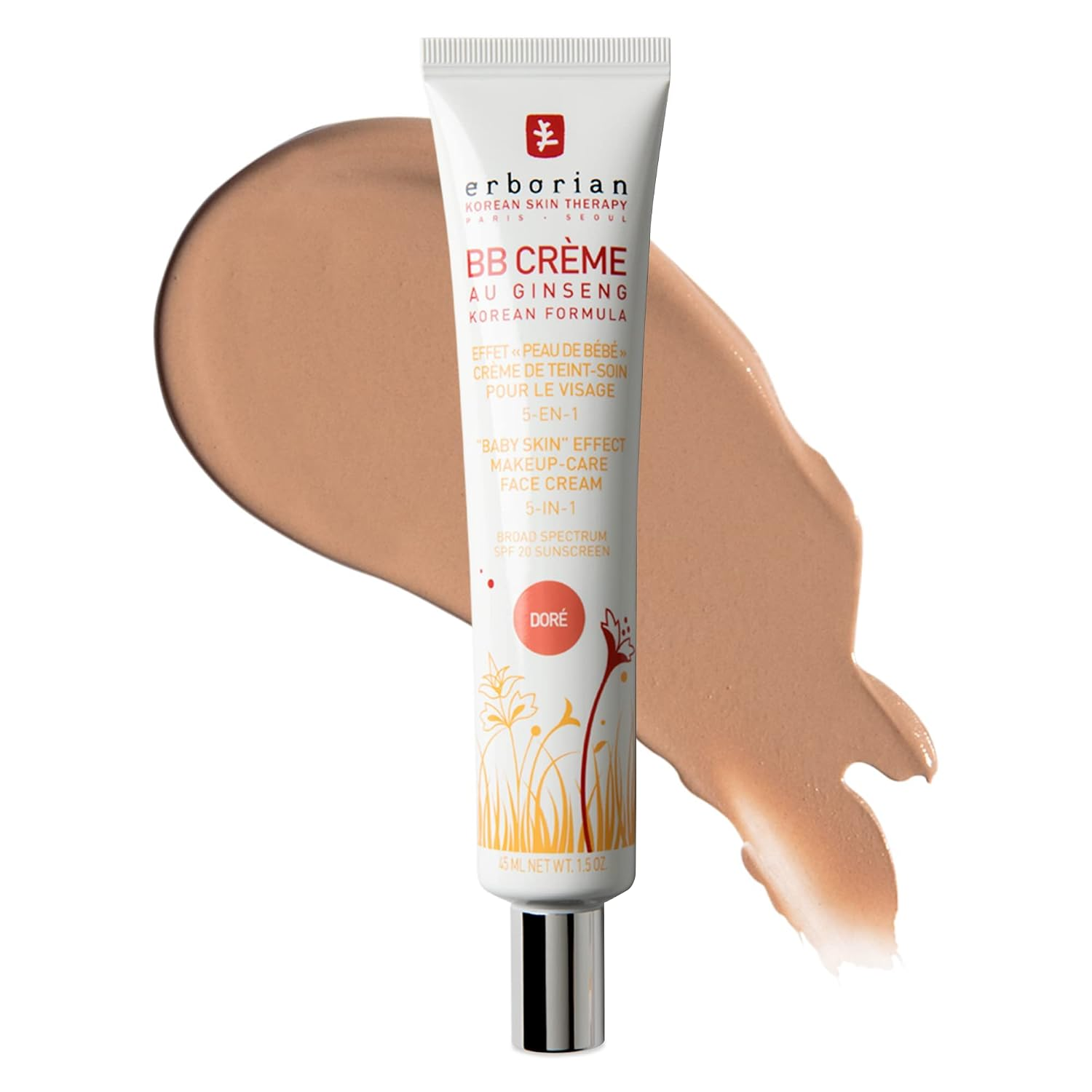
The shade-range ladder pick. Clair, Dore, Caramel and Chocolate give a wider ladder than most classic Korean BB ranges. The ginseng formula layers buildable coverage to a soft matte.
Avery, Beautyisles AI Editorial Host
- Four-shade ladder: Clair, Dore, Caramel, Chocolate
- Lightweight buildable coverage, no full-foundation feel
- Soft matte finish blurs pores without flatness
- Contains fragrance, so not a reactive-skin pick
- Dore stops at a medium golden-tan depth
Frequently Asked Questions
How do you apply tinted moisturizer?
Apply sunscreen first when your BB cream is not your sun-care step. Use a small amount of tinted moisturizer, blend it from the center of the face, and add thin layers only where you need more coverage.
What is a BB cream used for?
BB cream evens visible tone with less coverage than many foundations. It can suit daily makeup when you want a lighter base, but coverage, finish, and SPF performance vary by formula.
What is a good tinted moisturizer?
A good tinted moisturizer matches your skin type, shade, coverage goal, and preferred finish. If your skin is dry, choose a flexible formula. If your skin is oily, choose a lower-shine formula.
What are tinted moisturizers?
Tinted moisturizers combine a complexion tint with a moisturizing base. The term covers a wide range of textures and coverage levels, so compare the formula instead of relying on the label.
What is the best tinted moisturizer?
The best tinted moisturizer depends on shade range, finish, skin type, and coverage. For a Korean-focused choice, compare Korean-market versions with international versions before you select a shade.
What is a tinted moisturizer?
A tinted moisturizer is a moisturizing complexion product with added pigment. It gives lighter coverage than many foundations, but it does not replace separate sunscreen unless the product directions support that use.
Which is better, a BB cream or a CC cream?
Neither label is stricter than the other. A BB cream usually means a tinted base with light to medium coverage. A CC cream usually means more color correction, such as reducing the look of redness. Those are market labels, not technical standards. Compare pigment, finish, undertone and wear instead of the letters.
Are BB creams good for oily skin?
Yes, if you choose a thin formula with a low-shine or soft-matte finish. A sebum-rich surface breaks down a makeup film faster, so a rich glossy base can slip by midday. Prioritize oil control over a dewy look. Set only the areas that turn shiny, because heavy powder makes texture more visible.
Editorial Sources
- Huynh NT, Nguyen CQ, Tran TM, Nguyen TT, Bui TBH, Tran QD, et al. (2022). Water-in-Silicone Emulsion – The Approach to an Ideal BB Cream. Indian Journal of Pharmaceutical Education and Research, 56(2), 372-386. doi 10.5530/ijper.56.2.57.
- Tsugita A. (1993). Optical Properties of Pigments and Their Applications. Journal of the Society of Cosmetic Chemists of Japan, 27(2), 119-129. doi 10.5107/sccj.27.119.
- ISO (2019). ISO 24444:2019 – Cosmetics – Sun protection test methods – In vivo determination of the sun protection factor (SPF). International Organization for Standardization.
- Petersen B, Wulf HC. (2014). Application of sunscreen – theory and reality. Photodermatology, Photoimmunology and Photomedicine, 30(2-3), 96-101. doi 10.1111/phpp.12099.
- Ou-Yang H, Stanfield J, Cole C, Appa Y, Rigel D. (2012). High-SPF sunscreens (SPF 70 and above) may provide ultraviolet protection above minimal recommended levels by adequately compensating for lower sunscreen user application amounts. Journal of the American Academy of Dermatology, 67(6), 1220-1227. doi 10.1016/j.jaad.2012.02.029.
- Teramura T, Mizuno M, Asano H, Naito N, Arakane K, Miyachi Y. (2012). Relationship between sun-protection factor and application thickness in high-performance sunscreen: double application of sunscreen is recommended. Clinical and Experimental Dermatology, 37(8), 904-908. doi 10.1111/j.1365-2230.2012.04388.x. PMID 23050556.
- ISO (2021). ISO 24443:2021 – Cosmetics – Determination of sunscreen UVA photoprotection in vitro. International Organization for Standardization.
- Schneider SL, Lim HW. (2019). A review of inorganic UV filters zinc oxide and titanium dioxide. Photodermatology, Photoimmunology and Photomedicine, 35(6), 442-446. doi 10.1111/phpp.12439. PMID 30444533.
- Couteau C, Alami S, Guitton M, Paparis E, Coiffard LJM. (2008). Mineral filters in sunscreen products – comparison of the efficacy of zinc oxide and titanium dioxide by in vitro method. Pharmazie, 63(1), 58-60. PMID 18271305.
- Surber C, Plautz J, Daehnhardt-Pfeiffer S, Osterwalder U. (2021). Size Matters! Issues and Challenges with Nanoparticulate UV Filters. Current Problems in Dermatology, 55, 203-222. doi 10.1159/000517632. PMID 34698039.
- Jung I, An IS, An S. (2018). Color Comparison between Korean and Foreign-made Base Makeup Products. Asian Journal of Beauty and Cosmetology, 16(2), 277-286. doi 10.20402/ajbc.2018.0209.
- Jung I, Jo AR, Kwon YJ, Kwon S, An IS. (2017). Facial L*a*b* values and preferred base makeup products among native Korean women: a clinical study. Biomedical Dermatology, 1(1). doi 10.1186/s41702-017-0002-7.
- Lee BE, Kang J. (2016). The Power of Peripheral Innovation: A Case Study of AmorePacific’s Cushion Foundation. Research-Technology Management, 59(4), 21-29. doi 10.1080/08956308.2016.1185340.
- de Groot AC. (2020). Fragrances: Contact Allergy and Other Adverse Effects. Dermatitis, 31(1), 13-35. doi 10.1097/der.0000000000000463. PMID 31433384.
- Tasar R, Wiegand C, Elsner P. (2021). How irritant are n-propanol and isopropanol? A systematic review. Contact Dermatitis, 84(1), 1-14. doi 10.1111/cod.13722. PMID 33063847.
- Ong RR, Goh CF. (2024). Niacinamide: a review on dermal delivery strategies and clinical evidence. Drug Delivery and Translational Research, 14(12), 3512-3548. doi 10.1007/s13346-024-01593-y. PMID 38722460.
- Ratz-Lyko A, Arct J, Pytkowska K. (2016). Moisturizing and Antiinflammatory Properties of Cosmetic Formulations Containing Centella asiatica Extract. Indian Journal of Pharmaceutical Sciences, 78(1), 27-33. doi 10.4103/0250-474x.180247. PMID 27168678.
- Bandopadhyay S, Mandal S, Ghorai M, Jha NK, Kumar M, Radha, et al. (2023). Therapeutic properties and pharmacological activities of asiaticoside and madecassoside: A review. Journal of Cellular and Molecular Medicine, 27(5), 593-608. doi 10.1111/jcmm.17635. PMID 36756687.