
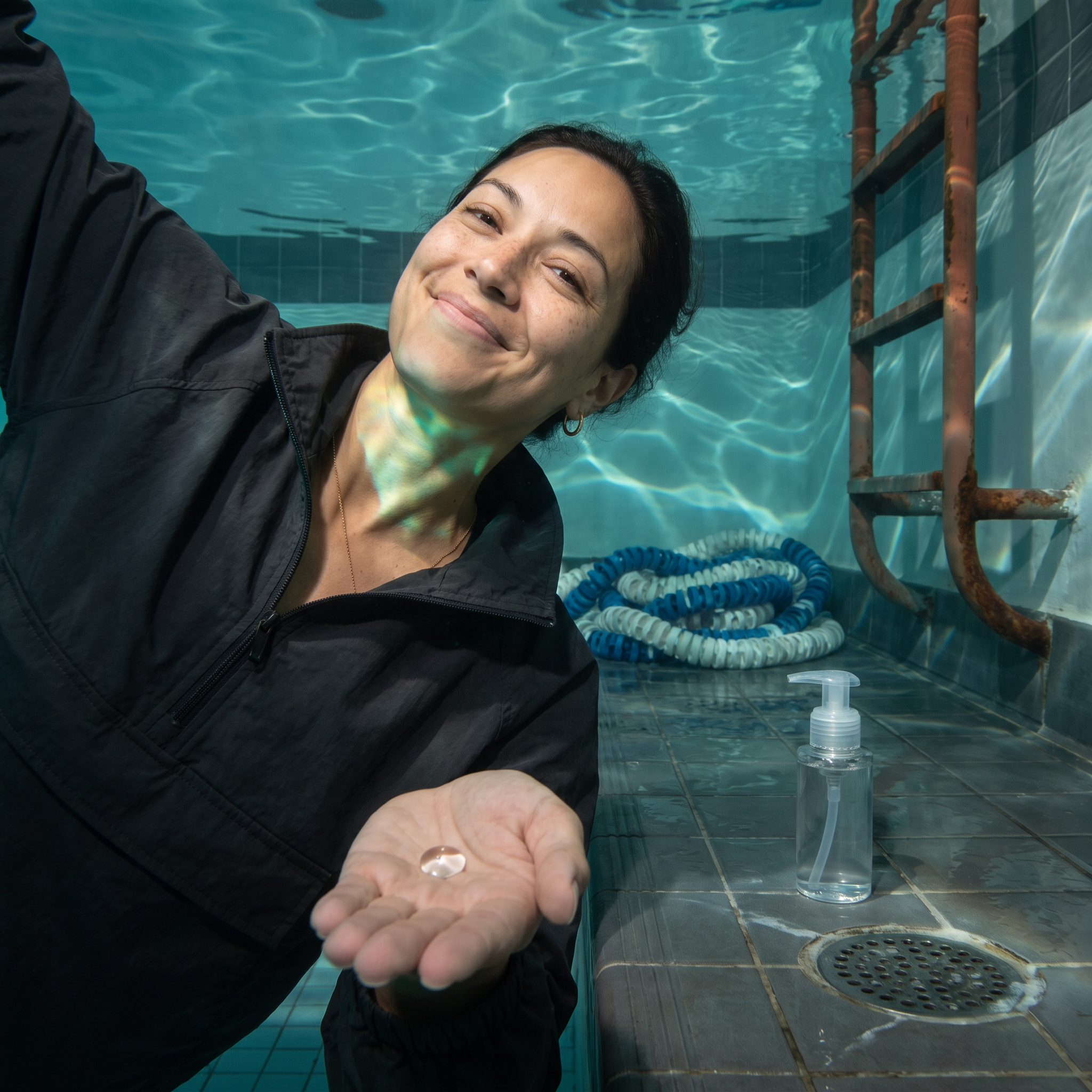
- Read the first ingredient. Water first means a water-based primer. A silicone first means a silicone-based primer. Nothing else on the label settles it.
- Match the bases. A silicone primer under a water-based foundation is more likely to pill. The same base gives the same film and better grip.
- Pilling is usually your technique, not the product. Use thinner layers, let each one set, and pat instead of rubbing.
- A primer blurs pores. It does not shrink them. Light-scattering powders hide the shadowed rim of a pore. The pore itself does not change.
- Skin type picks the base. Oily skin does better with silicone. Dry skin does better with a glycerin-rich water base.
What Water Based Primers Actually Are
A water-based primer lists water as its first ingredient. A silicone-based primer lists a silicone such as dimethicone or cyclopentasiloxane first. That order is the real difference. “Hydrating” and “blurring” are marketing words. The ingredient list is chemistry, and it is the only reliable way to tell the two apart.
Ingredient lists run from the largest amount to the smallest. So the first line is the biggest single part of the formula. If you see aqua or water first, the primer is water-based. If you see dimethicone, cyclopentasiloxane, or isododecane first, it is silicone-based. Some primers are a blend, with water first and silicones close behind. Those behave like a water-based primer for our purposes.
Two terms are worth fixing before you read any further. A silicone is a synthetic oil that forms a soft, water-repellent film on the skin, and dimethicone is the most common one. A humectant is an ingredient such as glycerin that bonds to water and holds it near the skin.
Neither base is better. They are built for different jobs, and either one can leave you with a foundation that grips or a foundation that slides.
Turn the product over. The first ingredient is the largest part of the formula. Water first means a water-based primer. A silicone first means a silicone primer. A product can call itself hydrating and still be mostly silicone.
Silicone Primers and Water Primers: What Each One Does
| Property | Water-based primer | Silicone-based primer |
|---|---|---|
| First ingredient | Water | Dimethicone or cyclopentasiloxane |
| Feel | Light, cooling, quick to sink in | Silky, slippery, dries to a powder-soft film |
| Best for | Dry, dehydrated, reactive skin | Oily, combination, textured skin |
| Oil control | Low | High |
| Pore blurring | Little, unless it adds powders | Often strong, from silica or PMMA spheres |
| Pairs best with | Water-based foundation | Silicone-based foundation |
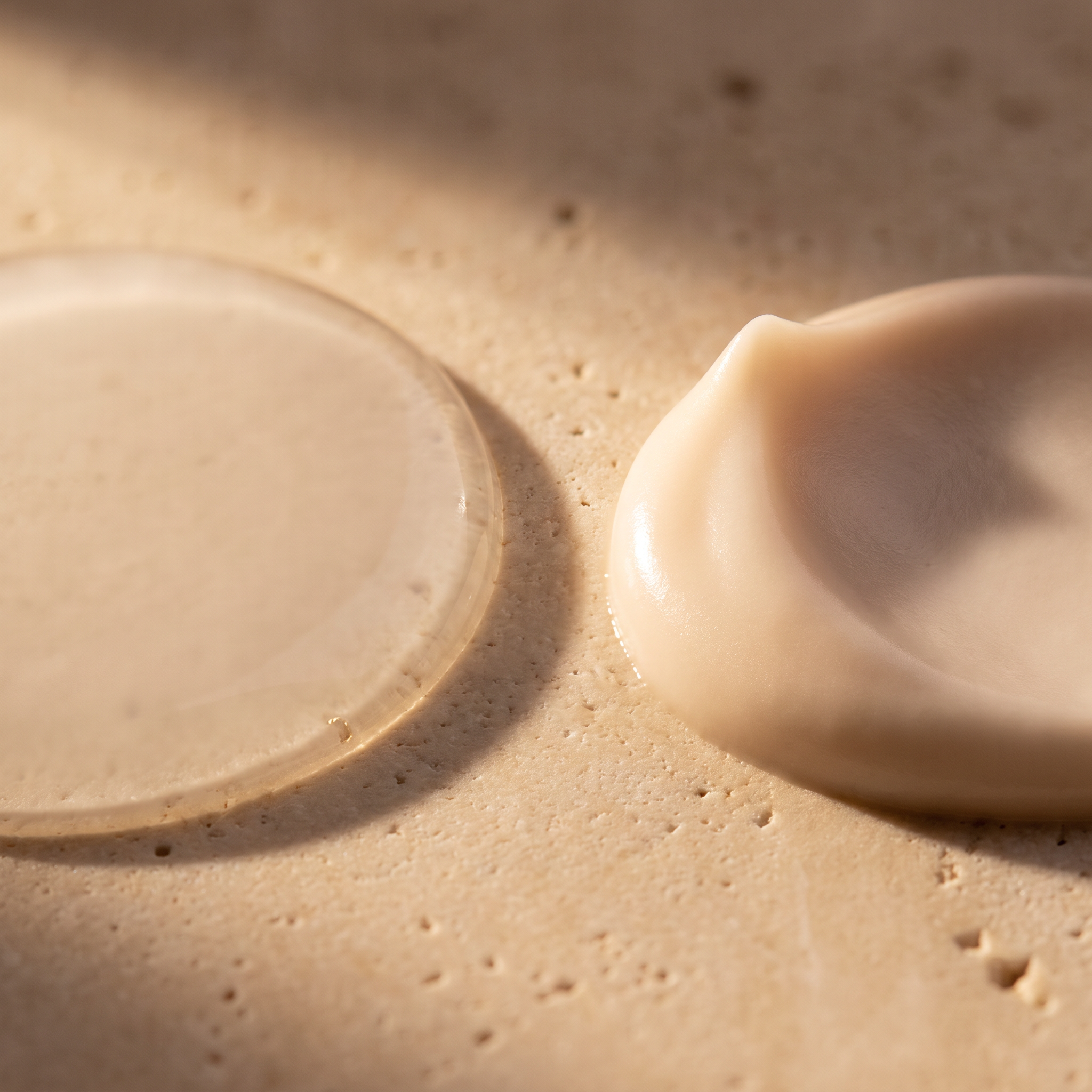
Here is the difference in plain terms. A silicone primer lays down a film that repels water and sebum. That film is why silicone primers hold back shine. Cyclopentasiloxane evaporates a few seconds after you spread it, which is why the primer feels dry almost at once. A water-based primer works the other way. It uses glycerin to pull water into the outer skin layer, which plumps the surface and softens the look of fine lines. Because glycerin holds water but does not seal it in, that effect is temporary.
Both of those films are real, and both behave predictably under the right foundation. Neither one is a treatment. A primer changes how light behaves at the skin surface, and it does not change skin structure.
The Ordinary High-Adherence Silicone Primer – read the label
The name says silicone. The label says water. The Ordinary’s High-Adherence Silicone Primer lists aqua first, then isodecyl neopentanoate, then dimethicone. That makes it a silicone-in-water emulsion, not a pure silicone primer. It is a good demonstration of why you read the first line instead of the product name.
The silicones still do the work. Dimethicone lays down the film, polysilicone-11 gives the matte, powdery finish that blurs light, and a dimethicone crosspolymer thickens the texture so it grips. That grip is the “adherence” in the name. Because water leads the formula, it feels lighter than a classic silicone primer and suits oily skin that dislikes a heavy slip. It still pairs best with a silicone or hybrid foundation, because the film it leaves behind is silicone.
Most pilling comes from friction, not from a bad formula. Use a thin layer of primer, wait about a minute, then press your foundation on with a sponge. Rubbing drags the top film and rolls it into small balls.
Why Your Primer Must Match Your Foundation
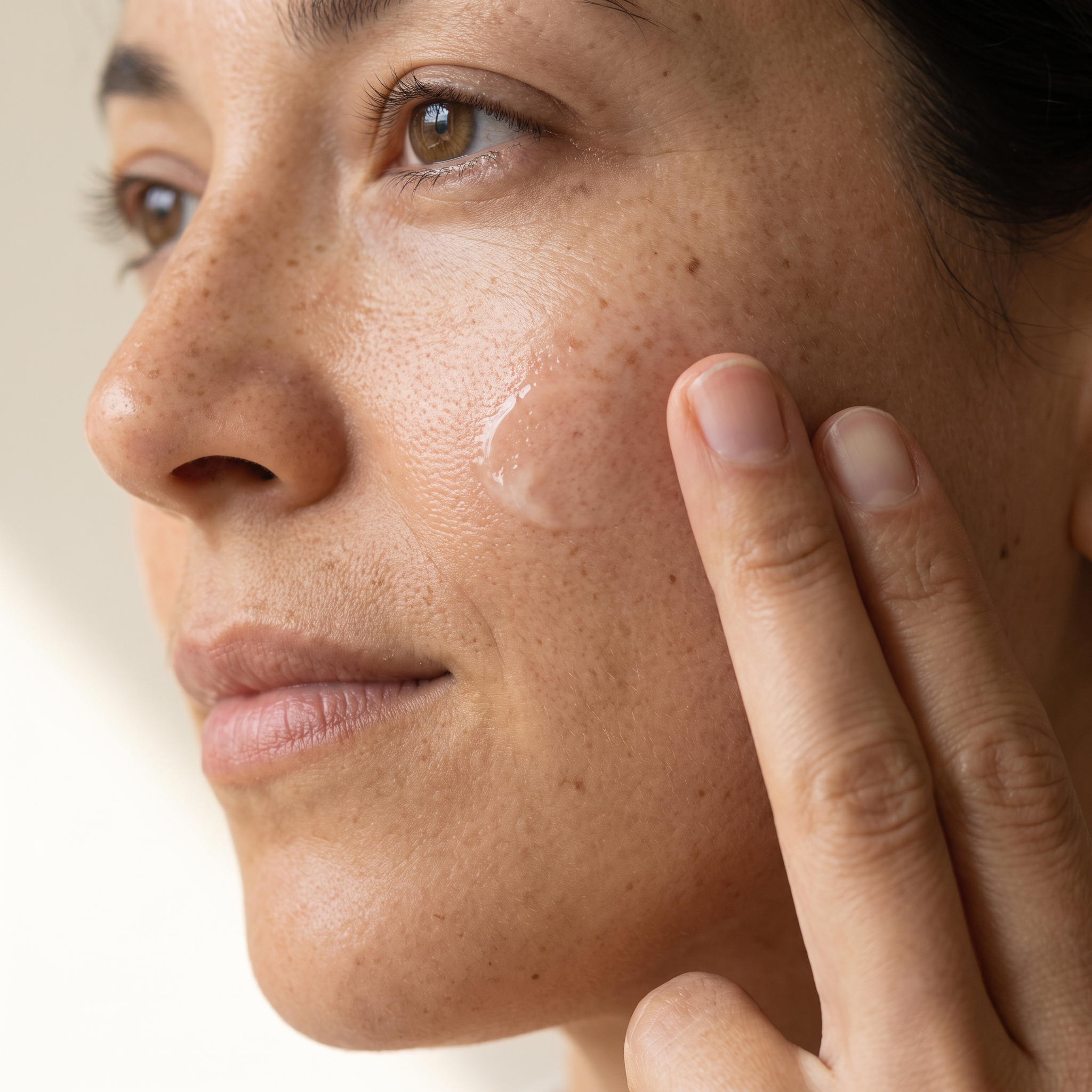
This is the rule that matters more than any brand decision. Match the primer base to the foundation base. A water-based primer under a water-based foundation leaves one film that everything bonds to. A silicone primer under a water-based foundation leaves two films that cannot blend, and the top one rolls off.
Pilling is what that looks like. Two films that cannot merge will separate, and the friction of your brush or sponge rolls the top layer into small balls. It is the same physical problem every time, and it appears most often around the nose and between the brows, where movement is greatest.
Formulators have understood this for years. Direct clinical trials on primer and foundation pairing in real wearers are scarce. Treat the base-match rule as a solid explanation of how films behave, not as a proven law. That honesty matters, because it is the difference between a rule you can check for yourself and a claim you have to take on trust.
You can check your own products in about a minute. Read the first line of each one. If your primer starts with water and your foundation starts with water, they match. If your primers are silicone and your foundation is not, that pair is your likelier pilling problem, not the foundation on its own.
Many modern foundations are silicone-in-water emulsions, which means water first and dimethicone close behind. Those are hybrids, and they pair with either base. If your foundation has water first and dimethicone second, you are in the easy case.
If you would rather not change products, there is a mechanical fix. Use fewer layers, let each one set before the next, and pat instead of rubbing. When you do replace the foundation, choose the one that finishes the way you want before you worry about the base. Our tested guide to luxury foundations compares finishes and wear on skin, so you can pick the layer the primer will sit under.
What a Primer Can and Cannot Do for Pores
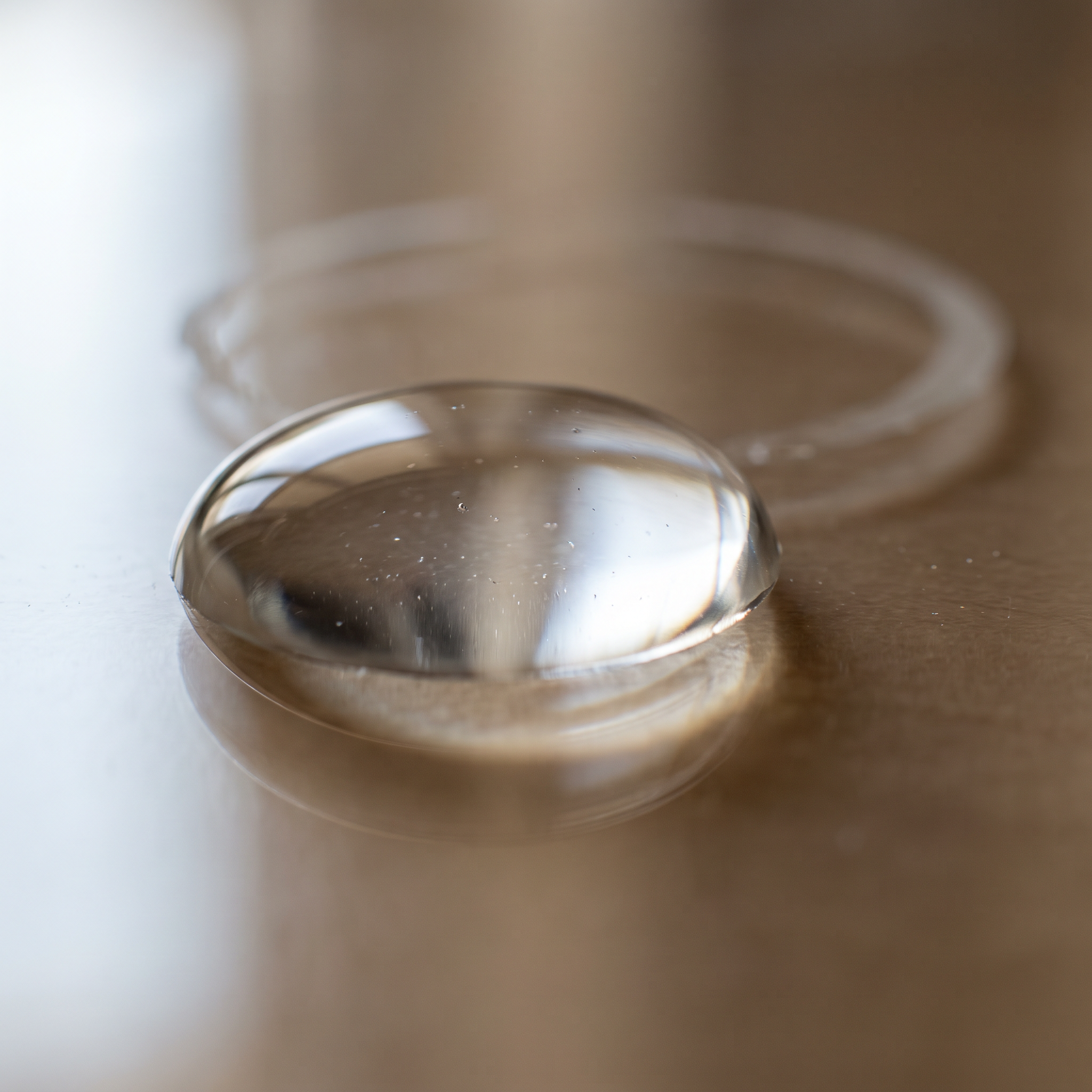
A primer cannot shrink a pore. Nothing you apply over the counter can. A pore is the opening of a pilosebaceous follicle, a hair follicle with an oil gland attached. It has no muscle, so it cannot tighten. Start from that and the rest of the category makes sense.
What blurring actually is comes down to light. Light-diffusing particles include silica, mica, boron nitride and PMMA spheres. They scatter light across the pore rim and hide the shadow that makes the pore visible. The shadow is what you see. The powder changes the shadow, and the opening underneath is unchanged.
Pores look bigger for reasons you can mostly name. Sebum stretches the opening and oxidises darker, which raises the contrast against the surrounding skin. Genetics, age and UV exposure set the baseline you are working from. None of those respond to a film you apply in the morning.
What genuinely helps is sebum control. Niacinamide at 2 percent measurably reduced sebum production over four weeks in a study of facial sebum. Sun protection protects the collagen that keeps skin firm around the follicle, which is a slow job rather than a fast one.
That is the honest split. A primer changes how skin looks for a day. Sebum control changes how it looks over months. They do different jobs, and no primer does the second one for you.
No over-the-counter primer shrinks a pore or removes a wrinkle. A pore is a follicle opening with no muscle. A wrinkle is a fold in the skin structure. A primer hides the shadow of both for a day. If a claim promises a permanent change, treat it with suspicion.
That is why there is no best makeup primer for wrinkles. A wrinkle is a change in the skin’s structure, and a surface film cannot reverse it.
Choosing a Primer for Your Skin Type
Your skin type picks the base, and this is where the chemistry turns into a decision. Here are the cases that cover most readers.
Oily and combination skin. Choose a silicone or mattifying base. A silicone film resists water and sebum, so it holds back breakthrough shine. This is the case where the silicone-based primer earns its place.
Dry and dehydrated skin. Choose a glycerin-rich water base. A mattifying silicone primer can look flat on very dry skin. It can emphasize flakes, because the film dries over the rough surface rather than smoothing through it.
Mature skin with fine lines. Choose a cream or humectant primer that plumps the surface, and keep a separate product for the line itself. A cream emollient does not treat a wrinkle. It fills and blurs the crease, and scatters light across it, which is the effect most readers actually want.
Textured skin. Choose a blurring primer with light-diffusing powders. That is the one case where pore blurring is the point rather than a side benefit.
Long-wear days. Match the base first, then set with powder. Wear time depends on the formula, your skin, the climate and the setting step, so no primer can promise a fixed number of extra hours. If you want a lighter second layer under the same routine, one option is a lightweight tint for a no-makeup finish. It is easier to hold in place than a full-coverage foundation.
Application, answered directly. Take a pea-sized amount. Use your fingertips or a damp sponge. Press and spread outward from the center of the face, then give it 30 to 60 seconds to set before foundation goes on. If you use a lip primer, treat it as its own step on the lips. It is not an extension of the face routine. Keep the layer thin.
Common Primer Mistakes
Most primer disappointment traces back to six habits. Each one has a fix, and none of them costs anything.
- Applying too much. A thick film pills. A pea-sized amount covers the whole face, and a second thin pass beats one heavy one.
- Rubbing the foundation in over the primer. That drags the top film and rolls it. Press the foundation on instead, and blend the edges.
- Pairing a silicone primer with a water-based foundation, then blaming the foundation. Read the first line of both products before you decide which one failed.
- Expecting a primer to shrink pores. It hides the shadow of a pore for a day. Sebum control and sun protection are the slow jobs.
- Skipping moisturizer and asking the primer to do that job too. A primer is a cosmetic film, not a barrier treatment. On dry skin, a missing moisturizer shows.
- Oily skin choosing a hydrating water primer, then wondering why shine returns by noon. Oil control is the silicone case, and it is the one thing a water base will not do for you.
Two of those six are worth keeping even if you forget the rest. Read the first ingredient, and match the base. Those two habits prevent pilling, and pilling is the complaint most readers bring to a primer in the first place.
At the end of the day, take the whole routine off properly. Long-wear foundations and a primer film are built to resist a splash of water. That is why removing long-wear makeup without stripping the barrier is the last step of the routine that started with your primer.
Judging a primer by its shelf is one common mistake. A drugstore primer that leads with hydration can out-perform a prestige label that leads with silicone and fragrance.
The Verified Edit
Smashbox Photo Finish Primer Water
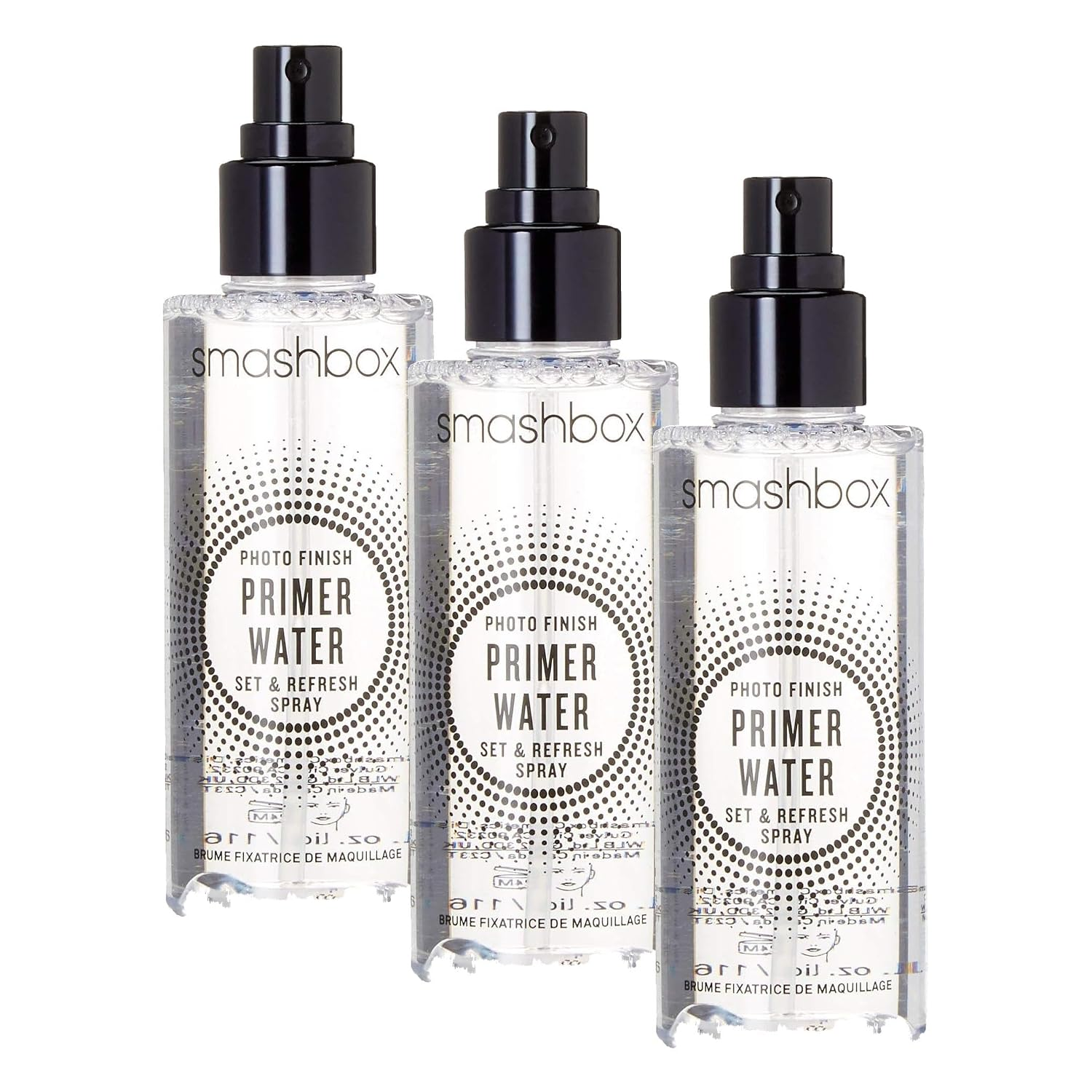
The water-based reference: a genuine water-first primer with no silicone in the base. It layers under a water-based foundation without film clash, and works over makeup as a rehydrating step.
Avery, Beautyisles AI Editorial Host
- Water-based, so no film clash under a water-based foundation
- Weightless and non-silicone, adds no occlusive layer
- Works over makeup as a rehydrating step
- No light-diffusing spheres, so no pore softening
- Little oil control on shine-prone skin
Hourglass Veil Mineral Primer
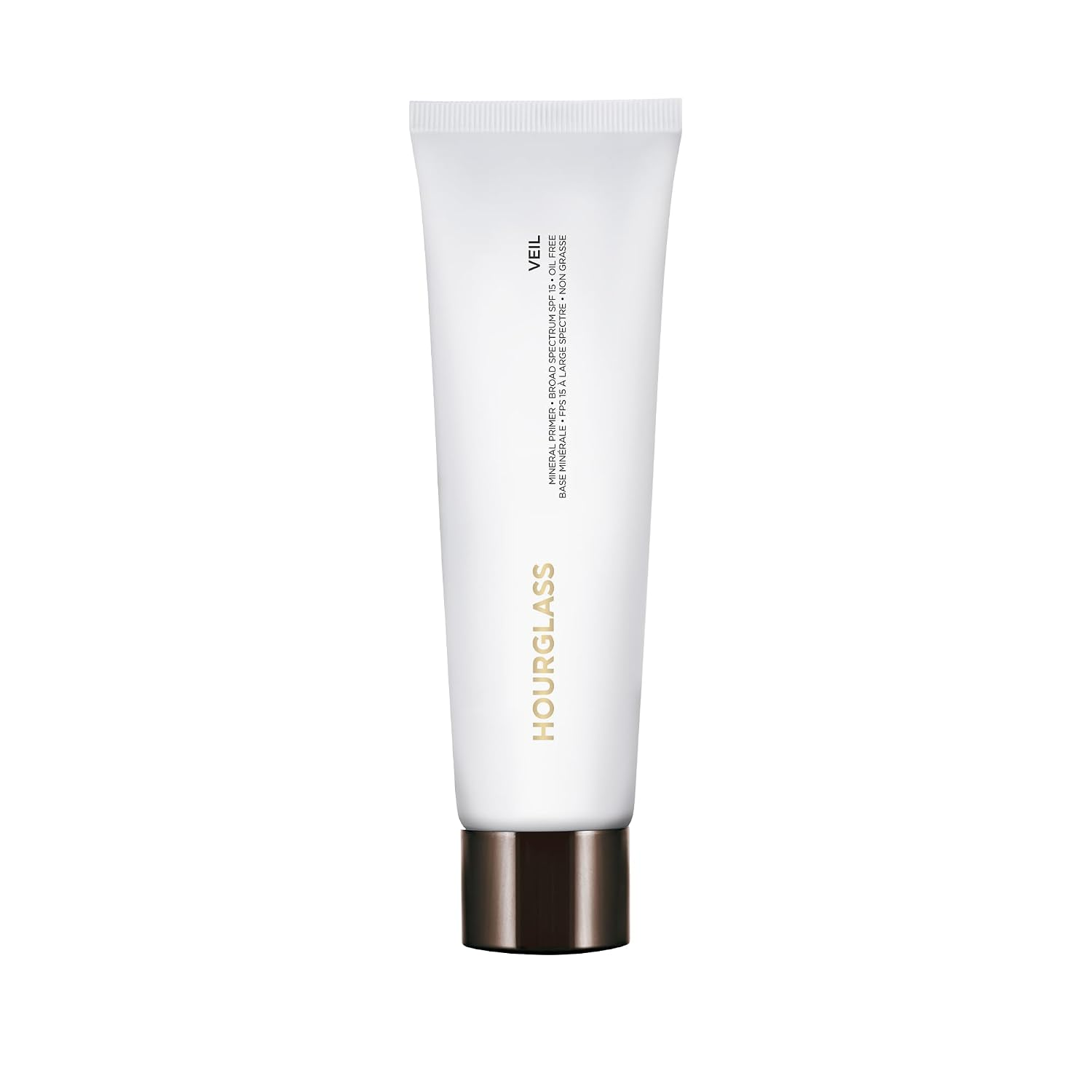
The silicone-based counter-example: a silicone-first fluid with no water in the base at all. It resists water and sebum, helps a silicone foundation bond instead of slide, and softens redness with mineral pigments.
Avery, Beautyisles AI Editorial Host
- Silicone-first base resists water and sebum
- Zinc oxide and titanium dioxide soften redness
- Smooth film helps a silicone foundation bond
- Contains no water, so no humectant hydration
- Silicone film pills if applied too thickly
Hourglass Veil Mineral Primer Travel Size (Silicone-Based)
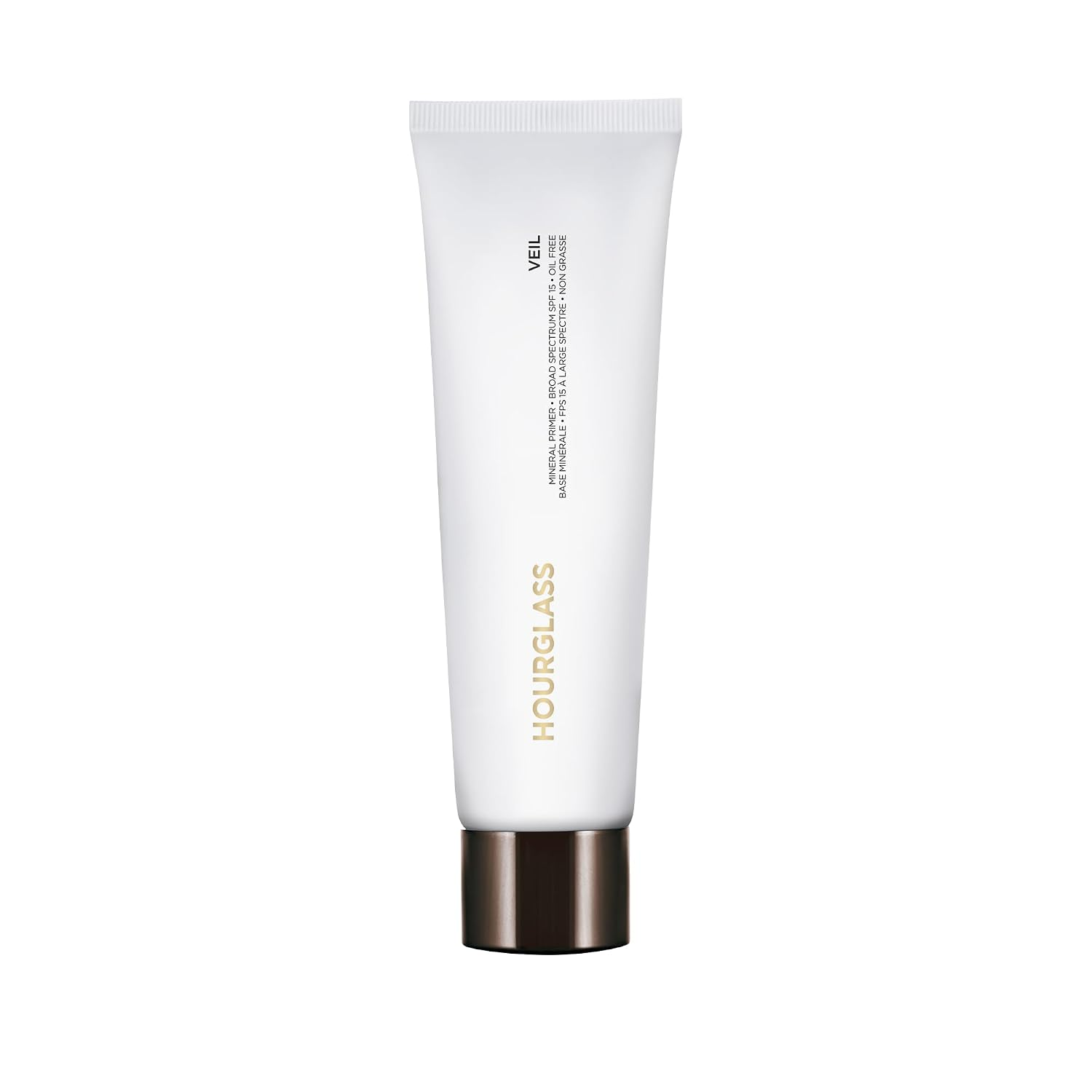
The same silicone-first formula in a travel size, so you can test the base-match rule at the smallest commitment before buying the full bottle.
Avery, Beautyisles AI Editorial Host
- Same silicone-first formula as the full size
- Compact format suits a bag or a first trial
- Mineral filters mattify and soften redness
- No-water base looks flat on dry or flaky skin
- Small volume runs out quickly with daily use
Embryolisse Lait-Creme Concenter Face Moisturizer and Makeup Primer
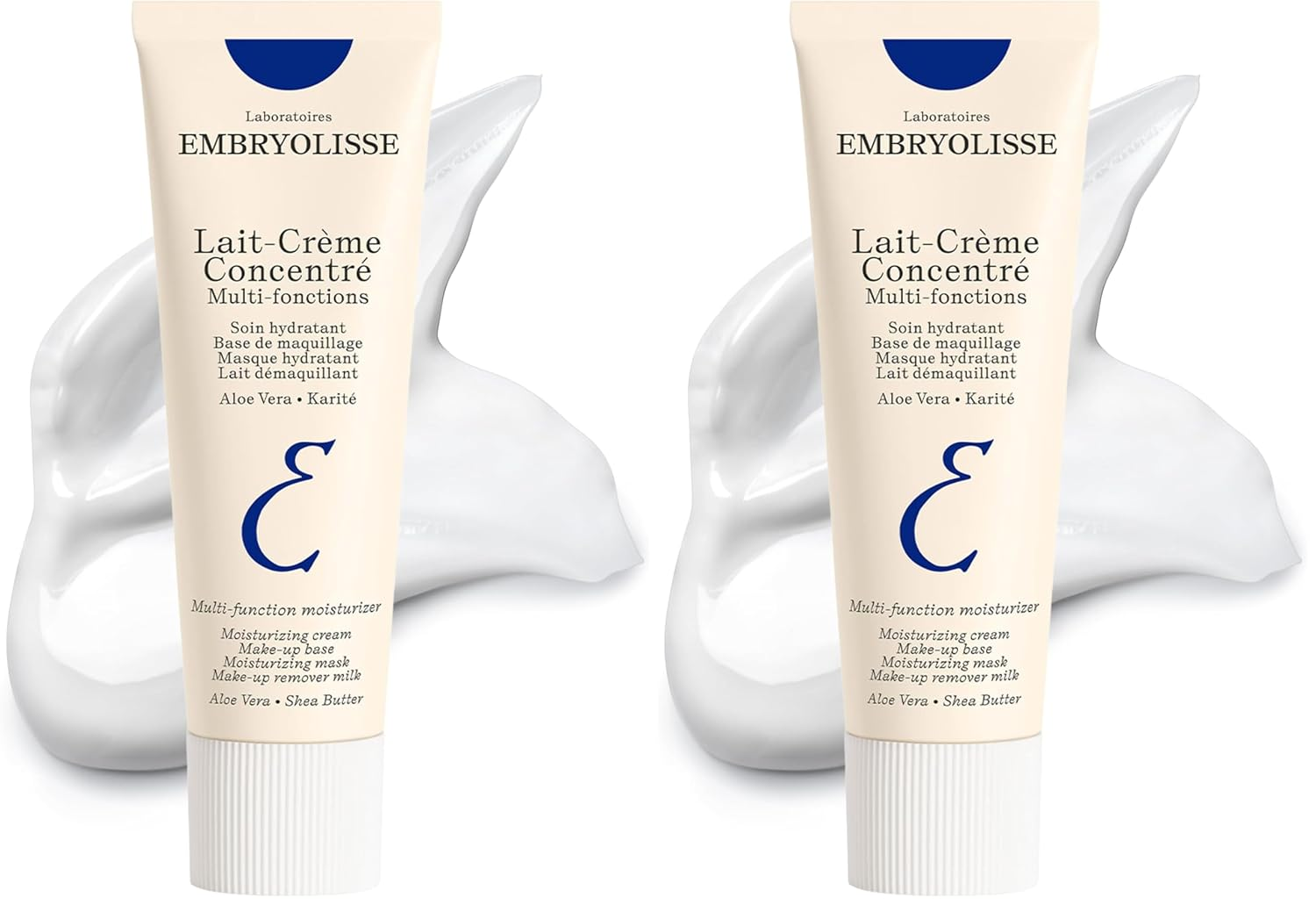
The dry and mature skin pick: a cream emollient that moisturizes and primes in one step. Shea butter and aloe smooth the look of fine lines by plumping the outer skin layer.
Avery, Beautyisles AI Editorial Host
- Shea butter and aloe hydrate while they prime
- Plumps the outer layer to soften fine lines
- Doubles as a moisturizer, so the routine is shorter
- Too rich for oily skin, where it adds shine
- Gives less grip than a silicone primer
Smashbox Photo Finish Foundation Primer
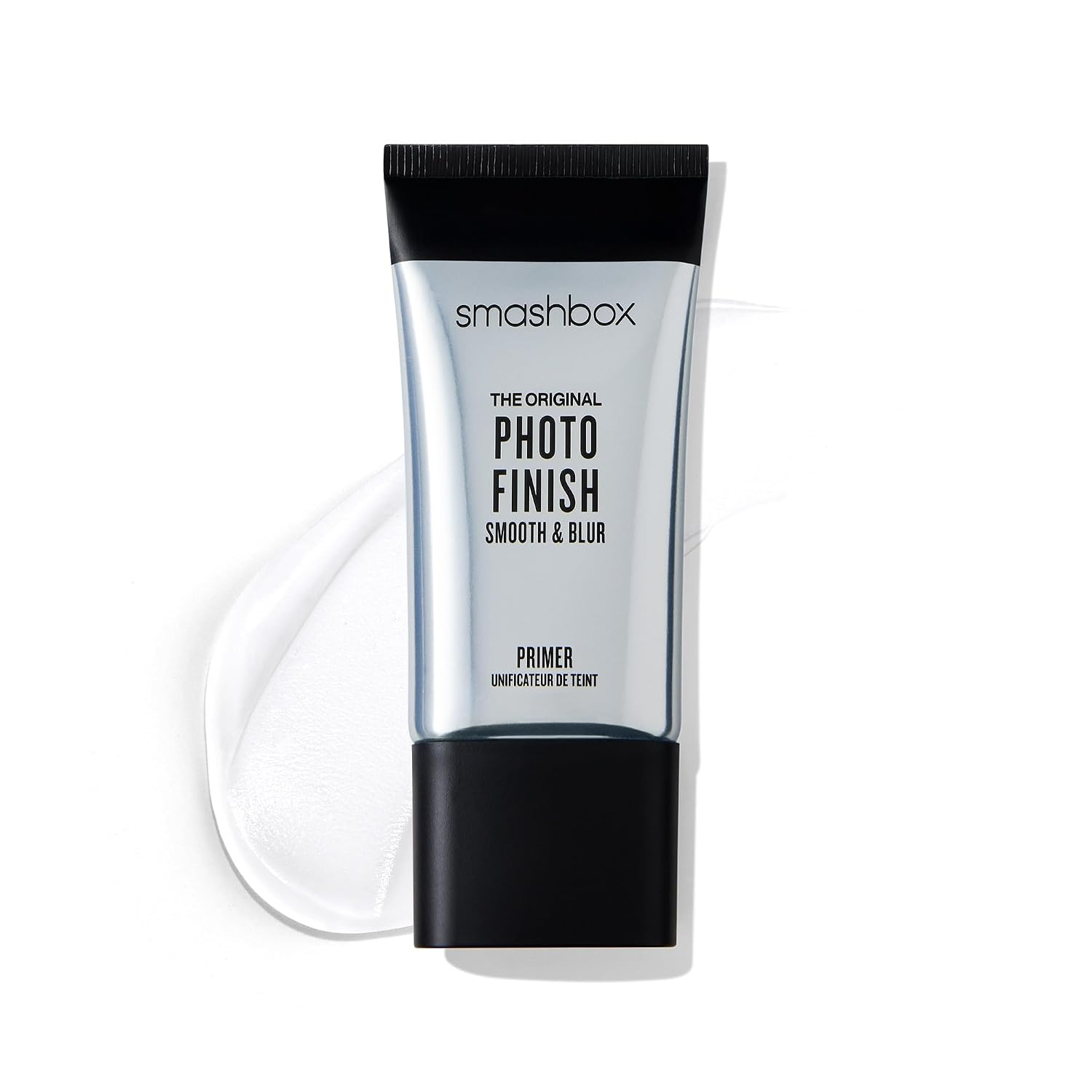
The blurring example: a clear silicone gel that softens the look of pores and texture by scattering light. It adds no color, so it works under any foundation shade.
Avery, Beautyisles AI Editorial Host
- Silicone gel scatters light to soften pores
- Clear finish adds no color under any shade
- Smooths the base so foundation spreads evenly
- Optical blur washes off with the product
- Can pill against a water-based foundation
Frequently Asked Questions
How many coats of primer should I use?
One thin coat. A pea-sized amount covers the whole face, and a second thin pass beats a single heavy one. Thick films are the main cause of pilling, because the top layer rolls off the one beneath it. If you want more coverage in one area, add a small amount there and press it in. Do not spread another full coat over the face.
What is a face primer?
A primer is a cosmetic film that sits between your skin and your foundation. It smooths the surface so the next layer grips evenly, and a blurring primer uses light-diffusing particles to hide the shadow of a pore. It does not change skin structure, and it cannot shrink a pore or remove a wrinkle.
What is the best primer?
The best primer is the one whose base matches your foundation base and your skin type. Read the first ingredient. Water first means a water-based primer, which suits dry skin and a water-based foundation. A silicone first means a silicone primer, which suits oily skin and resists shine. A mismatch between the two is what causes pilling.
How do you apply face primer?
Take a pea-sized amount and use your fingertips or a damp sponge. Press and spread it outward from the center of the face, covering the areas where foundation sits. Wait 30 to 60 seconds for it to set, then press your foundation on rather than rubbing it in. Rubbing drags the primer film and rolls it into small balls.
What does primer do?
A primer does three jobs. It gives foundation something to grip, and it slows the oil that breaks a film down. It also softens the look of pores with light-scattering particles. A primer does not change your skin. It works on the makeup layer above it, and that layer lasts longer.
Which face primer works best for long-lasting makeup?
Match the primer to the foundation, not to your skin alone. A long-wear foundation needs a primer that grips. A water based primer suits a low-silicone or water based foundation, because the two films set together. If they resist each other, the top layer slides off in patches by midday.
Editorial Sources
- Ananthapadmanabhan KP, Mukherjee S, Chandar P. Stratum corneum fatty acids: their critical role in preserving barrier integrity during cleansing. Int J Cosmet Sci. 2013;35(4):337-345. doi 10.1111/ics.12042. PMID 23363400.
- Parvar SY, Amani M, Shafiei M, Rastaghi F, Hosseini SA, Ahramiyanpour N. "The efficacy and adverse effects of treatment options for facial pores: A review article". J Cosmet Dermatol. 2023;22(3):763-775. doi 10.1111/jocd.15502. PMID 36440737.
- Baldwin H, Del Rosso J. Going Beyond Ceramides in Moisturizers: The Role of Natural Moisturizing Factors. J Drugs Dermatol. 2024;23(6):466-471. doi 10.36849/JDD.8358. PMID 38834224.
- Draelos ZD, Matsubara A, Smiles K. The effect of 2% niacinamide on facial sebum production. J Cosmet Laser Ther. 2006;8(2):96-101. doi 10.1080/14764170600717704. PMID 16766489.
- Landau M, Landau SB. Hacking the International Nomenclature of Cosmetic Ingredients List – How to Read Ingredients in Cosmetic Products and What Is Important for a Dermatologist to Know? Dermatol Clin. 2024;42(1):7-11. doi 10.1016/j.det.2023.06.006.
- Regulation (EC) No 1223/2009 of the European Parliament and of the Council on cosmetic products. Annex I, ingredient list order. Official Journal of the European Union, 2009.
- Published ingredient lists: Smashbox Photo Finish Primer Water (B0BGQRQZWV); Hourglass Veil Mineral Primer (B002DW07YW, B0BG2SSDL5); Embryolisse Lait-Creme Concentre (B0H517K78X); Smashbox Photo Finish Foundation Primer (B005O54SVS); The Ordinary High-Adherence Silicone Primer.