Skip to content

Explore Beautyisles

Meet Avery Our disclosed AI editorial hostDiscover The Sunday Letter

Find your next read.

Search by a topic or explore an isle below.

Editorial Isle · Department 04

Beauty Tools & High-Tech Devices: Clinical Evidence & Practical Results.

Beautyisles investigates optical irradiance, mechanical shear, and thermal dynamics across modern aesthetician tools, dermatological tools, and advanced tools for skin. We evaluate everything from clinical facial steamers and rose quartz rollers to stainless steel ice rollers, delivering evidence-led reviews backed by transparent commercial disclosures.

Optical & Frequency Telemetry
Dermatological Literature Audits
100% Disclosed Partner Links
Avery, Beautyisles AI editorial host, evaluating clinical skincare devices and facial tools in studio
Wavelength Over Novelty True photobiomodulation (using calibrated light wavelengths to stimulate cellular repair) requires verified optical irradiance. Superficial warmth does not stimulate deep fibroblasts.

Flagship Department Investigation

The Definitive Aesthetician Tools Review. Tested Specifications.

Our comprehensive master guide evaluating monochromatic laser diodes, multi-wave silicone LED masks, and microcurrent toners across professional dermatological tools and at-home hardware.

Primary Tools Pillar High-tech LED face mask and handheld microcurrent skin care device on marble surface
20 Min Read 14 Verified Devices Laser, LED, Microcurrent & Cold

14 Best Facial Tools & High-Tech Skincare Devices in 2026: Evidence-Led Testing & Review

From the deep-tissue subcutaneous penetration of the 500mW LYMA Laser Starter Kit to the clinical microcurrent frequencies of NuFACE and the 8-color phototherapy array of the FAQ 202 LED mask, we evaluate optical irradiance, motor torque, and real-world routine adherence to separate breakthrough skincare devices from cosmetic novelty.

Department Inquiries & Hardware Categorization

Explore Published Device Research. Essential Reading.

Targeted breakdowns analyzing facial tools, face sculpting devices, and clinical facial machines according to physical mechanisms.

Beauty Tools · 19 Min Read

Pedicure Kit: The Tools and the Order To Use Them

A complete pedicure kit combines mechanical filing tools, precision cuticle instruments, and chemical keratolytics to manage tough plantar skin safely. An effective routine softens hard tissue in warm water, files damp calluses with a multi-grit rasp, trims toenails straight across, and hydrates with urea cream. Never use razor blades or cut living cuticle tissue.

Read Full Guide
Beauty Tools · 14 Min Read

Acrylic Makeup Organizer: Layout, Cleaning and Fit

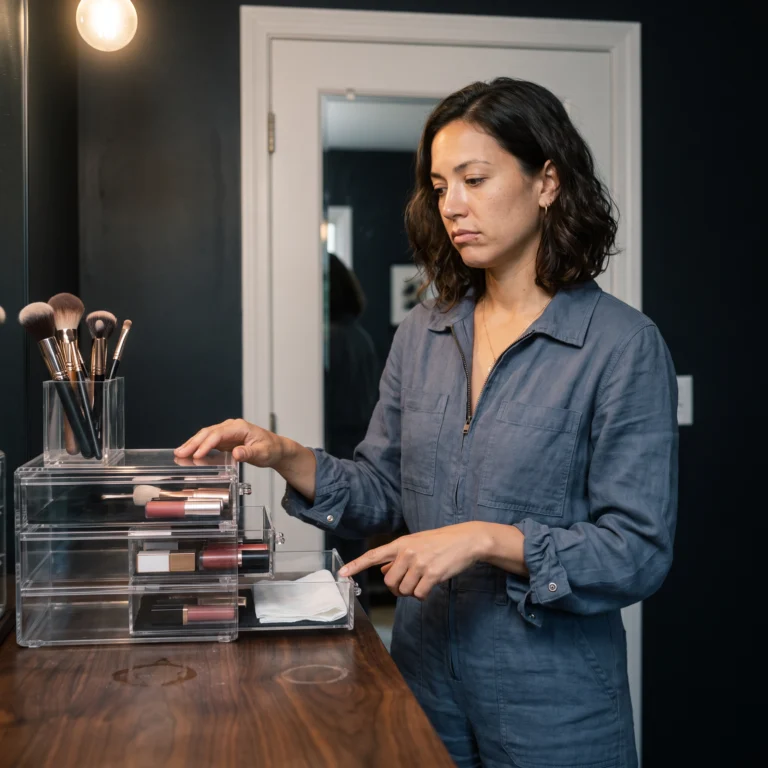
An acrylic makeup organizer protects cosmetics and applicators by creating clean physical boundaries between powders, liquid emulsions, and porous tools. Cast polymethyl methacrylate provides glass-like clarity and impact safety. However, alcohol-based sanitizers cause permanent crazing cracks, and damp sponges sealed inside breed opportunistic pathogens.

Read Full Guide
Beauty Tools · 19 Min Read

Beauty Fridge: What Belongs Inside and What Does Not

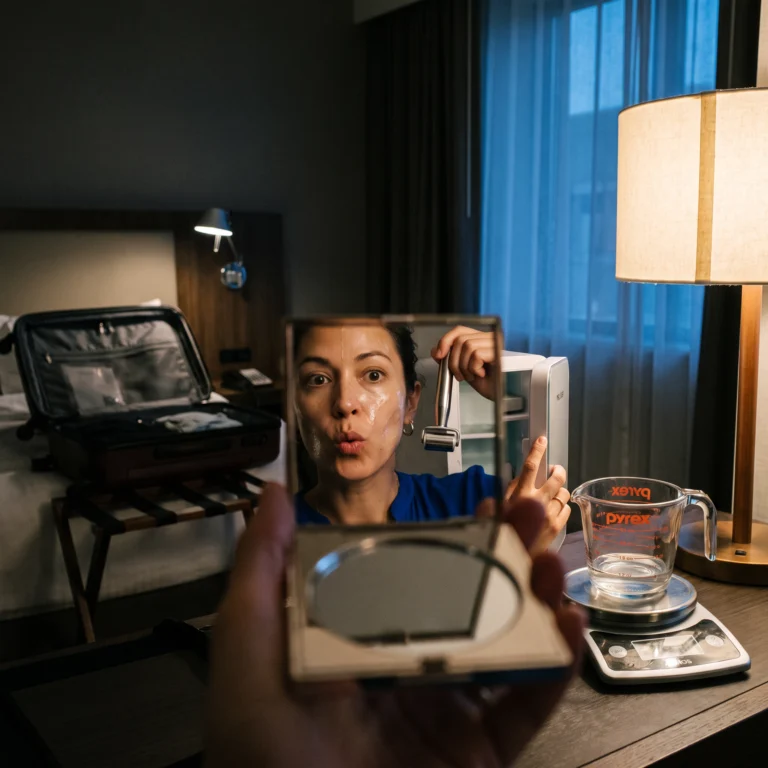
A dedicated beauty fridge chills products to a steady 7°C to 12°C using solid-state thermoelectric cooling. This moderate window slows the chemical oxidation of delicate actives like vitamin C and retinoids without freezing emulsions. It also enhances depuffing tools while protecting facial oils from destructive lipid crystallization.

Read Full Guide
Beauty Tools · 18 Min Read

Sugar Wax Kit: How To Use It on Face, Brow and Body

A sugar wax kit removes unwanted hair by wrapping around the hair shaft and pulling the intact root bulb from the follicular infundibulum. The body-temperature paste dissolves in water and pulls with natural hair growth. This prevents skin stripping, cuts hair breakage, and washes away with warm water.

Read Full Guide
Beauty Tools · 22 Min Read

Exfoliating Gloves: Grit, Material and Safe Frequency

Exfoliating gloves remove dead surface skin cells through mechanical textile friction. Wet skin multiplies friction three-fold, so aggressive pressure can tear the stratum corneum, spike moisture loss, and trigger dark marks. Use light strokes once weekly on soaked skin, and disinfect gloves regularly.

Read Full Guide
Beauty Tools · 18 Min Read

Derma Stamp: Needle Depth, Cadence and Sterile Steps

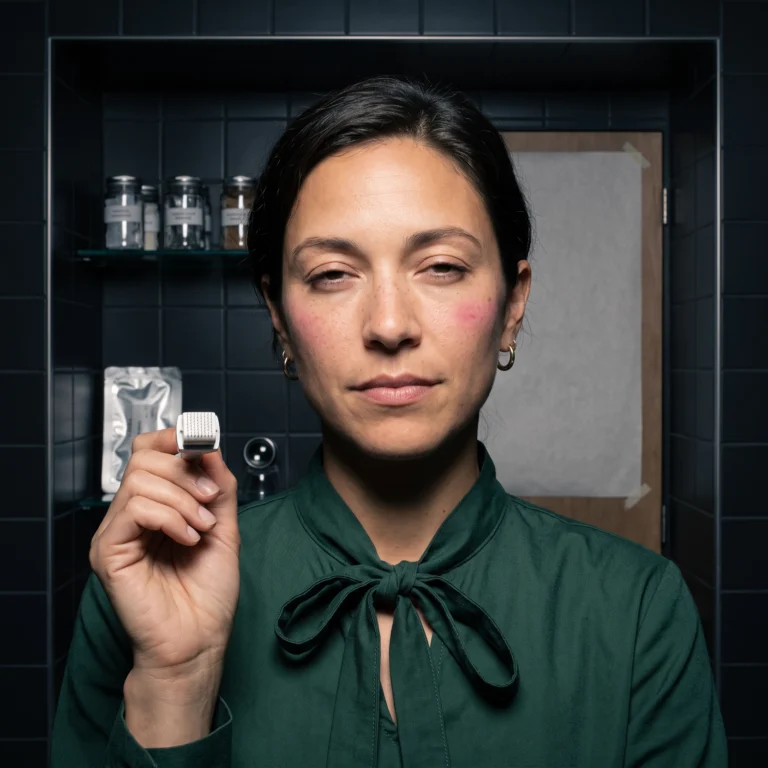
A derma stamp enters human skin at a strict ninety-degree angle, preventing the angular tears and tram-track scarring that cylindrical rollers cause over rigid forehead bone. Set needle depths to 0.25 millimeters for product absorption, and allow four to six weeks between deeper collagen induction sessions.

Read Full Guide
Beauty Tools · 15 Min Read

Skin Tightening Device: What Works and What Only Seems To

A radio frequency skin tightening device heats the dermis so collagen contracts and remodels over weeks. Microcurrent lifts appearance by stimulating facial muscle and moving fluid. RF holds the stronger clinical evidence. Both need a conductive gel and repeat sessions, and neither changes a deep fold.

Read Full Guide
Beauty Tools · 19 Min Read

Facial Wand: High Frequency Settings and Safe Length

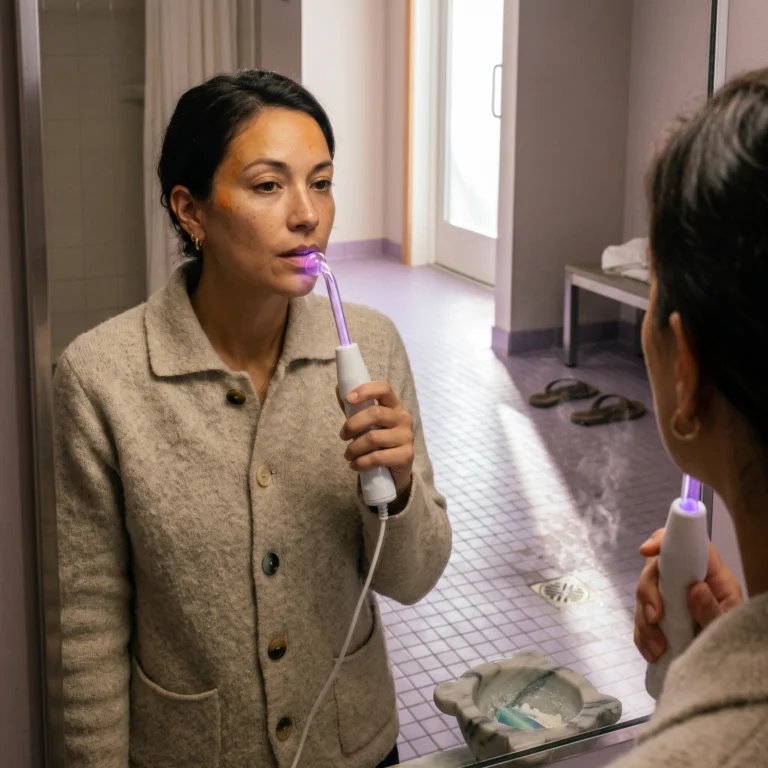
A high-frequency facial wand delivers alternating electrical current through sealed glass electrodes. Argon gas generates surface ozone to destroy active acne bacteria. Neon gas produces gentle thermal warming to improve cutaneous microcirculation. Limit facial wand sessions to 2 to 3 minutes per treatment zone.

Read Full Guide
Beauty Tools · 19 Min Read

Galvanic Facial Machine: Desincrustation Explained

A galvanic facial machine uses continuous direct current to alter skin chemistry. Negative polarity powers desincrustation, saponifying hardened sebum into water-soluble soap for gentle extraction. Positive polarity drives iontophoresis, using electromotive repulsion to push charged active serums deep past the stratum corneum while restoring your acid mantle.

Read Full Guide
Beauty Tools · 20 Min Read

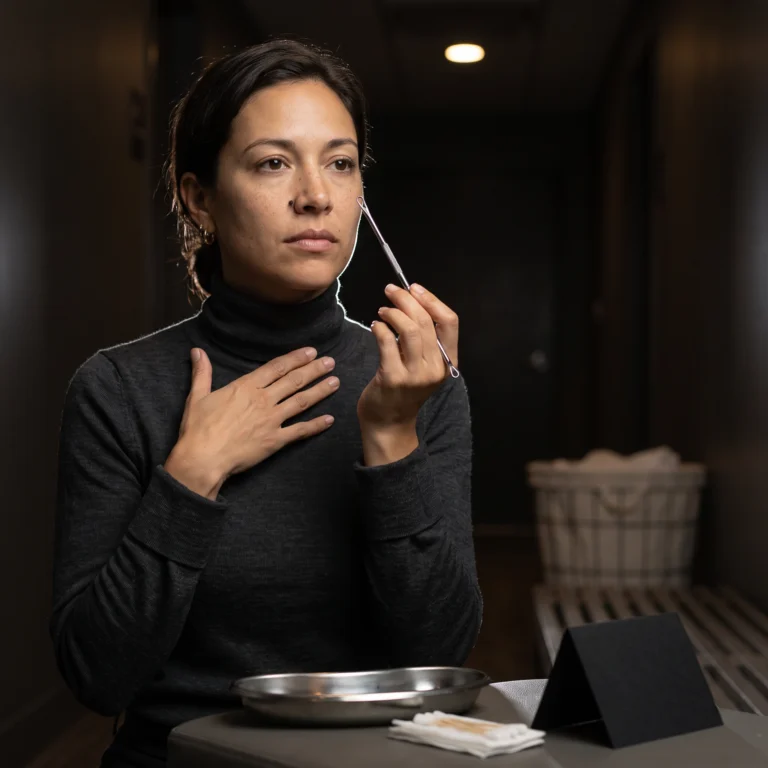
Comedone Extractor: How To Use One Without Scarring

A comedone extractor uses mechanical hoop stress to clear open blackheads without tearing delicate skin tissue. Place the curved wire loop over an open pore at a 45-degree angle. Press lightly and roll across. Never force closed bumps or inflamed pimples, or you will cause permanent atrophic scarring.

Read Full Guide

Department Benchmark Pick

The Standout Hardware Investment. Monochromatic Coherence.

A single medical-grade cold laser delivering continuous 500mW output without thermal inflammation or tissue destruction.

Beauty Tools Isle · Clinical Laser Benchmark

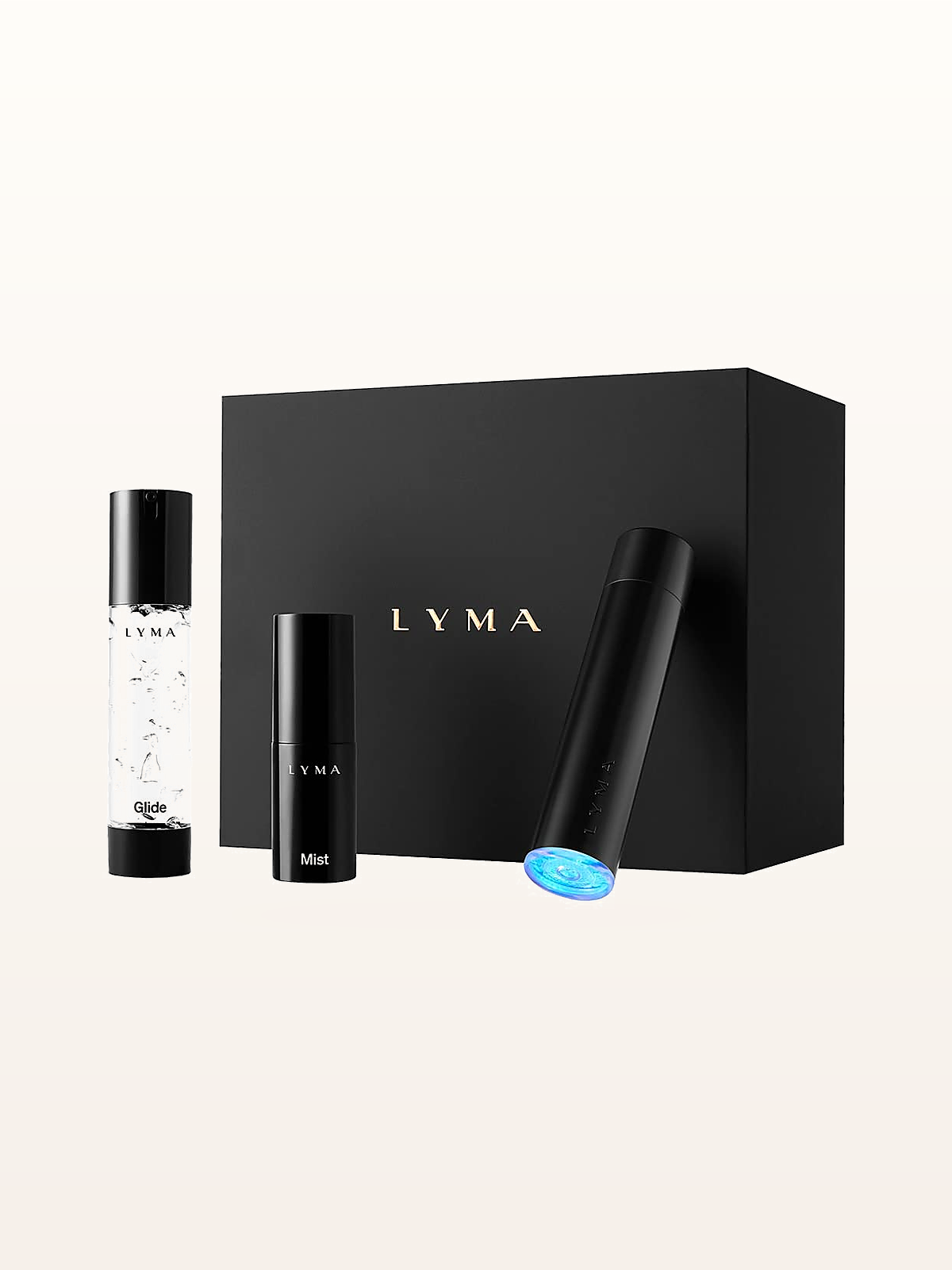
LYMA Laser Starter Kit

LYMA Laser Starter Kit clinical hardware on warm studio stage
500mW Cold Laser 808nm Near-Infrared Zero Thermal Damage Subcutaneous Penetration

“The undisputed pinnacle of at-home photobiomodulation. Operating with coherent 808nm laser light rather than diffuse LED, the LYMA Laser penetrates down to the basal and muscular layers to reactivate dormant mitochondrial ATP synthesis without generating tissue-damaging heat.”

Avery, Beautyisles AI Editorial Host
Key Strengths
  • Coherent, monochromatic 808nm medical laser technology
  • Safe across all Fitzpatrick skin types with zero erythema risk
  • True subcutaneous reach up to 100 times deeper than LED
Considerations
  • Substantial ultra-luxury financial investment
  • Requires rigorous daily 15-to-30 minute compliance for 12 weeks
Shop on Amazon Check Price on Amazon

Evaluation Methodology

The Beautyisles Hardware Filter. Physics Over Marketing.

We evaluate facial tools and skincare devices through optical telemetry, dermatological research, and mechanical ergonomics. We publish zero fabricated claims and maintain transparent commercial disclosures.

01

Optical & Frequency Telemetry

We verify manufacturers’ nanometer spectral lines (630nm, 808nm, 850nm) and microcurrent frequencies against real skin impedance rather than accepting marketing brochures.

02

Dermatological Literature

We cross-reference every hardware modality against independent peer-reviewed clinical studies to distinguish authentic cellular photobiomodulation from cosmetic placebo.

03

Sanitation & Upkeep Cost

A high-tech device is useless if hygiene maintenance is onerous. We scrutinize medical-grade silicone seals, waterproof ratings, and consumable primer costs.

04

Disclosed Partnerships

We operate with transparent commercial disclosures on all affiliate shopping pathways, providing reader-first value without hidden bias.

Hardware Knowledge & Inquiries

Frequently Asked Questions. Answered with Science.

Practical answers addressing red light photobiomodulation, gua sha lymphatic drainage, and at-home microcurrent safety.

How often can I dermaplane my face?

Perform dermaplaning once every 3 to 4 weeks. This matches the 28-day turnover cycle of your stratum corneum (the outermost protective layer of skin). Scraping more often strips your moisture barrier and triggers transepidermal water loss (moisture evaporating from the skin into the air). Waiting 3 to 4 weeks allows your protective barrier to replenish safely.

How often should you dermaplane?

Licensed aestheticians and dermatologists recommend dermaplaning approximately once per month. Doing it more often than every 3 to 4 weeks provides no added clinical benefit and risks barrier sensitization. If you have active pustular acne, eczema flare-ups, or rosacea, suspend dermaplaning entirely to avoid spreading bacteria or inflaming vulnerable tissue.

How to dermaplane your face?

Begin with a thoroughly cleansed, completely dry face (or apply 2 drops of sterile squalane oil for dry skin). Using a single-use sterile dermaplaning blade, hold the skin firmly taut with your free hand. Angle the blade at a strict 45-degree angle against the skin surface. Make light, short, downward strokes in the direction of hair growth. Avoid going over the same area multiple times. Follow immediately with a soothing ceramide moisturizer and broad-spectrum mineral sunscreen.

What is dermaplane?

Dermaplaning is a mechanical exfoliation procedure that uses a sterile, high-precision scalpel blade to gently scrape off built-up dead skin cells and fine facial hair. The result is an ultra-smooth skin surface that enhances serum absorption and makeup application.

How often can I use the derma roller?

Frequency depends on needle length: short 0.25mm to 0.3mm rollers (intended for serum absorption) can be safely used 2 to 3 times per week. However, 0.5mm rollers (designed for collagen support) should only be used once every 3 to 4 weeks. This allows the skin time to repair without chronic inflammation.

How to clean a derma roller?

Sanitize your derma roller before and after every single treatment by submerging the needle head in 70% isopropyl alcohol for 10 to 15 minutes. Shake off excess disinfectant and allow the roller to air-dry completely inside its clean protective case. Never use boiling water (which softens needle anchor adhesives and dulls micro-points) and never allow the needle tips to touch hard surfaces.

How to use derma roller on face?

Double-cleanse your skin and ensure your hands and roller are completely sanitized. On dry skin, gently roll across each facial section 4 to 5 times in horizontal, vertical, and diagonal directions. Always lift the roller completely between passes to prevent micro-tearing. Immediately apply a sterile, soothing hyaluronic acid or peptide serum. Avoid active retinoids, vitamin C, and chemical exfoliating acids for 48 hours post-rolling.

Can I do red light therapy everyday?

Yes. Low-level light therapy using calibrated 630nm red and 830nm near-infrared wavelengths is safe for daily 10 to 20 minute sessions. Non-thermal photobiomodulation does not damage tissue. Consistent daily exposure stimulates cellular mitochondria, boosting cellular energy (ATP) to accelerate skin repair.

How to use red light therapy on face?

Position your calibrated LED mask or panel 4 to 6 inches away from clean, dry skin. Treat for 10 to 15 minutes per session. Wear protective blackout goggles if you are sensitive to bright light or treating near the ocular orbit. Ensure your skin is free from heavy occlusive balms or mineral sunscreens before treatment, as dense zinc oxide blocks photon absorption.

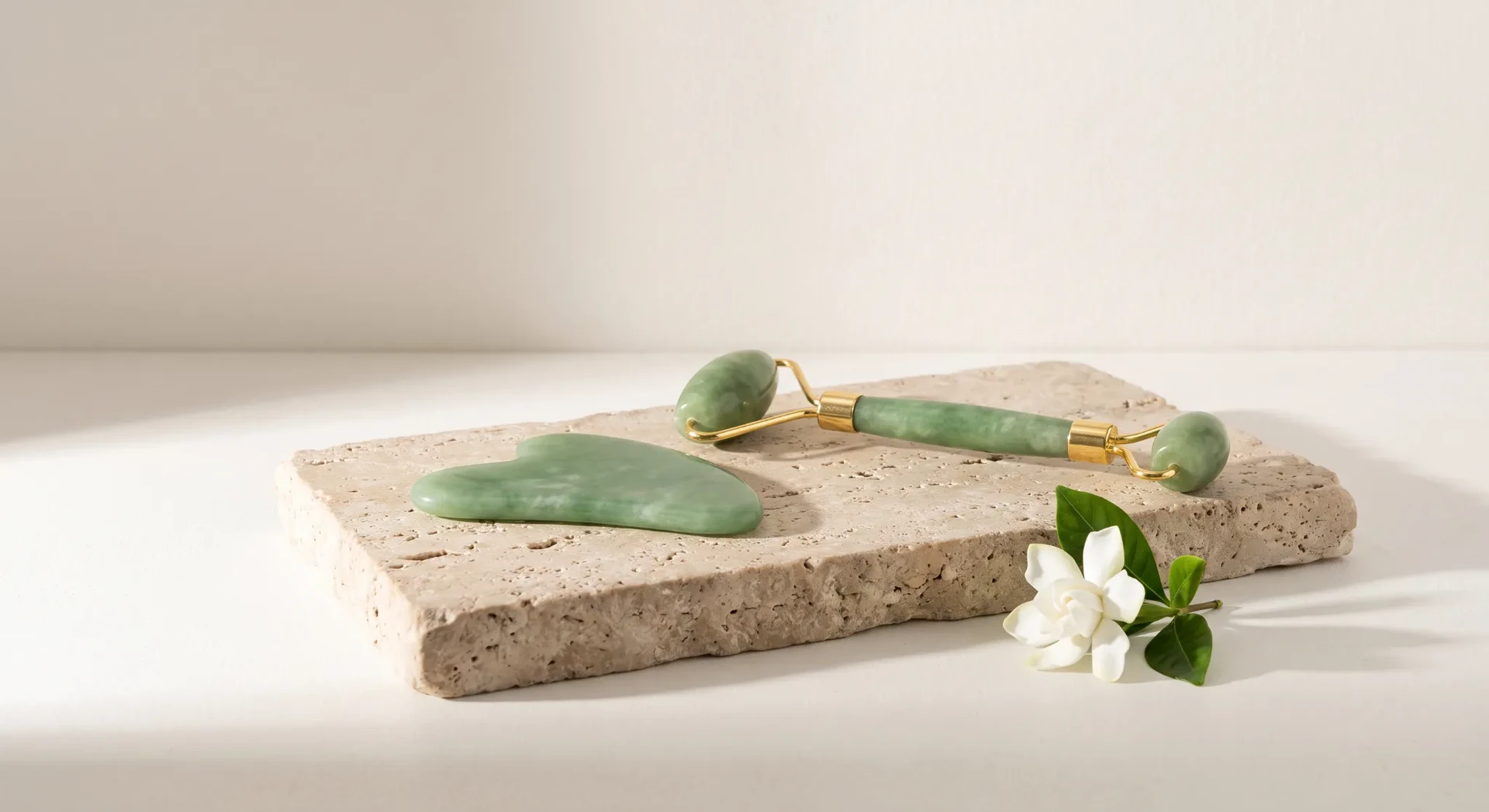
How to do gua sha?

Dispense 4 to 5 drops of a nourishing gua sha face oil to create frictionless slip. Hold the jade or bian stone at a flat 15-degree angle against your skin. Begin at the neck, sweeping downward to open lymph drainage pathways. Next, glide along the jawline from chin to earlobe, across cheeks toward temples, and upward across the forehead using light, gentle pressure. Never press aggressively, as heavy force causes capillary petechiae.

What is gua sha massage?

Rooted in Traditional East Asian Medicine, gua sha is a therapeutic practice of stroking lubricated skin with a smooth-edged stone to stimulate peripheral microcirculation. In modern facial care, gentle gua sha strokes relax hypertonic facial muscles, relieve jaw clenching tension, and mechanically redirect stagnant interstitial lymphatic fluid toward cervical drainage nodes.

How to use facial steamer?

Fill the water tank exclusively with pure distilled water to avoid mineral calcification. Cleanse your skin, then position your face 8 to 10 inches from the nozzle to avoid thermal scalds. Steam for 8 to 10 minutes maximum, 1 to 2 times weekly. The warm ionic mist softens sebum plugs and opens pathways for subsequent enzyme exfoliation or hydrating mask absorption.

Avery, our AI editorial host, presenting the Beautyisles Edit envelope

The Sunday Edit

Buy the device only if it earns the routine.

Every Sunday, we deliver deconstructed hardware engineering, wavelength telemetry audits, and verified product edits. Our recommendations are free of marketing hyperbole and backed by transparent commercial disclosures.